← All women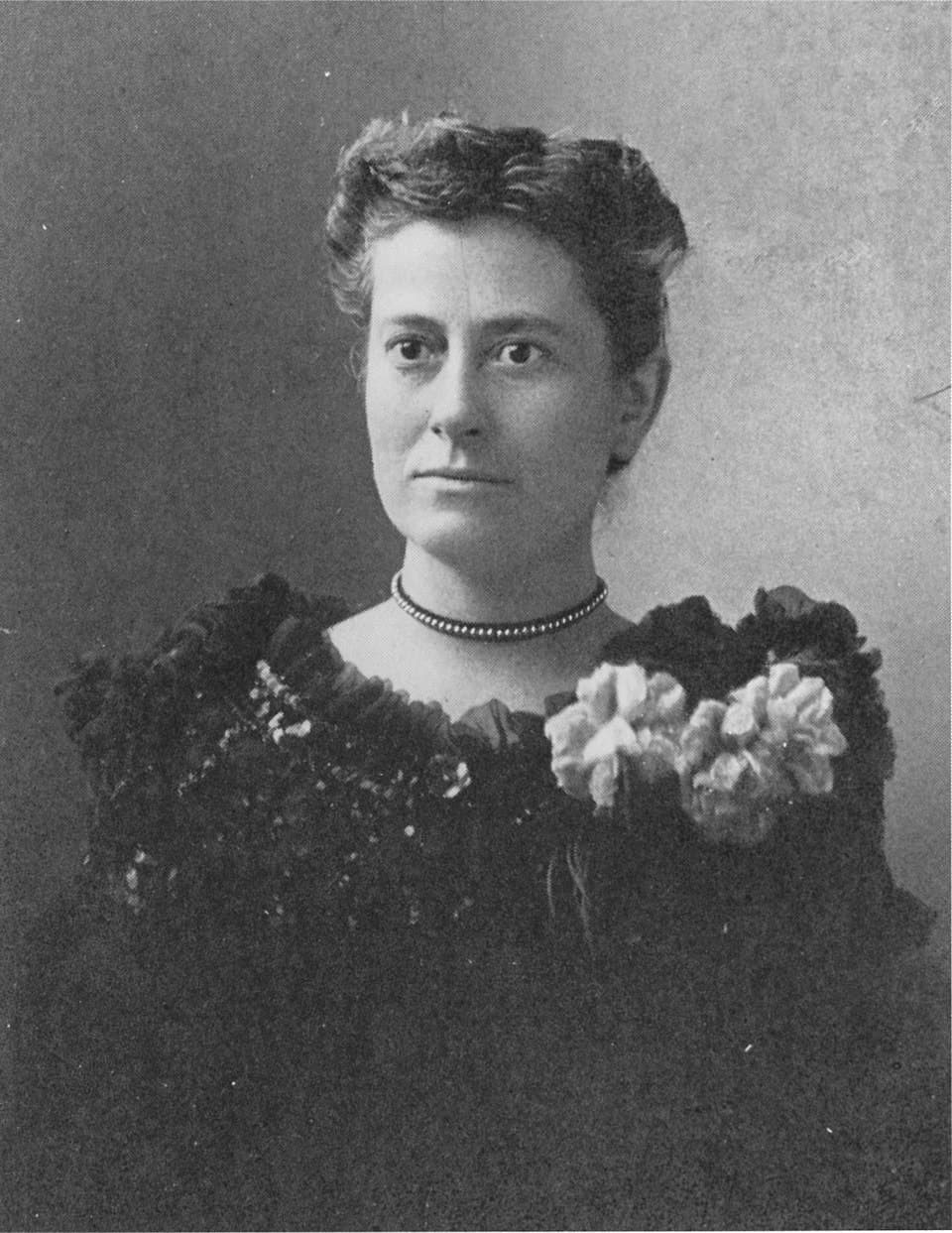
Scottish, American · Science
Williamina Fleming
May 15, 1857 – May 21, 1911
Early Life and Background
Williamina Paton Stevens Fleming was born on May 15, 1857, in Dundee, Scotland. Her father, Robert Stevens, was a carver and gilder, and her mother was Mary Walker Stevens. The Stevens family provided a nurturing environment for young Williamina, encouraging her early interest in science and excellence in education. She attended the public schools in Dundee and later became a teacher, which was quite a notable achievement for women at that time.
Career Beginnings and Development
At the age of 21, Williamina married James Orrock Fleming, an accountant, and in 1878, the couple relocated to Boston, U.S.A. Unfortunately, James eventually abandoned her, leaving her with a young son to care for. To support herself and her son, Williamina sought employment and was initially employed as a housekeeper for Edward Charles Pickering, director of the Harvard College Observatory. It was in this household that her talent for astronomy was first recognized. Pickering allegedly "expressed dissatisfaction with the work being done by his male assistants and claimed that even his maid (Fleming) could do a better job." In 1881, Pickering made good on this claim by promoting her within the observatory.
Major Works and Discoveries
Williamina Fleming is most noted for developing a system of classifying stars according to their spectra. She classified over 10,000 stars and was integral in establishing the Pickering-Fleming star classification system. One of her landmark discoveries was the Horsehead Nebula in 1888. Her rigorous work cataloging stars became foundational to the Henry Draper Catalogue, which remains a critical resource in the field of astronomy. Her recognition of 10 novae and 310 variable stars further cemented her reputation among astronomers.
Awards, Honors, and Recognition
Despite the challenges of her time, Fleming's contributions did not go unnoticed. She was appointed Curator of Astronomical Photographs at the Harvard Observatory, possibly making her the first woman to hold such a significant academic title. The Astronomical Society of Mexico admitted her as an honorary member, a significant acknowledgment of her contributions from an international community.
Personal Life
Fleming's marriage to James Orrock Fleming brought her to the United States, but the marriage dissolved early, forcing her to become independent. She remained professionally dedicated throughout her life, balancing her domestic responsibilities with her scientific endeavors.
Legacy and Historical Impact
Williamina Fleming broke significant barriers for women in science during her time. As one of the first female astronomers to gain recognition in the U.S., she paved the way for future generations. Her work at the Harvard Observatory remains a testament to her dedication and scientific prowess. Today, she is remembered as a pioneer who showed the global scientific community that gender was not a barrier to astronomical achievement.
Later Life and Death
Fleming dedicated the remainder of her life to her work. Her health began to decline in 1906, and she eventually succumbed to pneumonia on May 21, 1911, in Boston, Massachusetts. Despite her passing, her contributions continue to influence contemporary astronomy.
Dated achievements
3 indexed.
- May151857Science
Birth of Williamina Fleming
Birth of Williamina Paton Stevens Fleming, noted astronomer.
View details Wikipedia - Williamina Fleming - Nov101888Science
Discovery of the Horsehead Nebula
Williamina Fleming discovered the Horsehead Nebula.
View details