← All women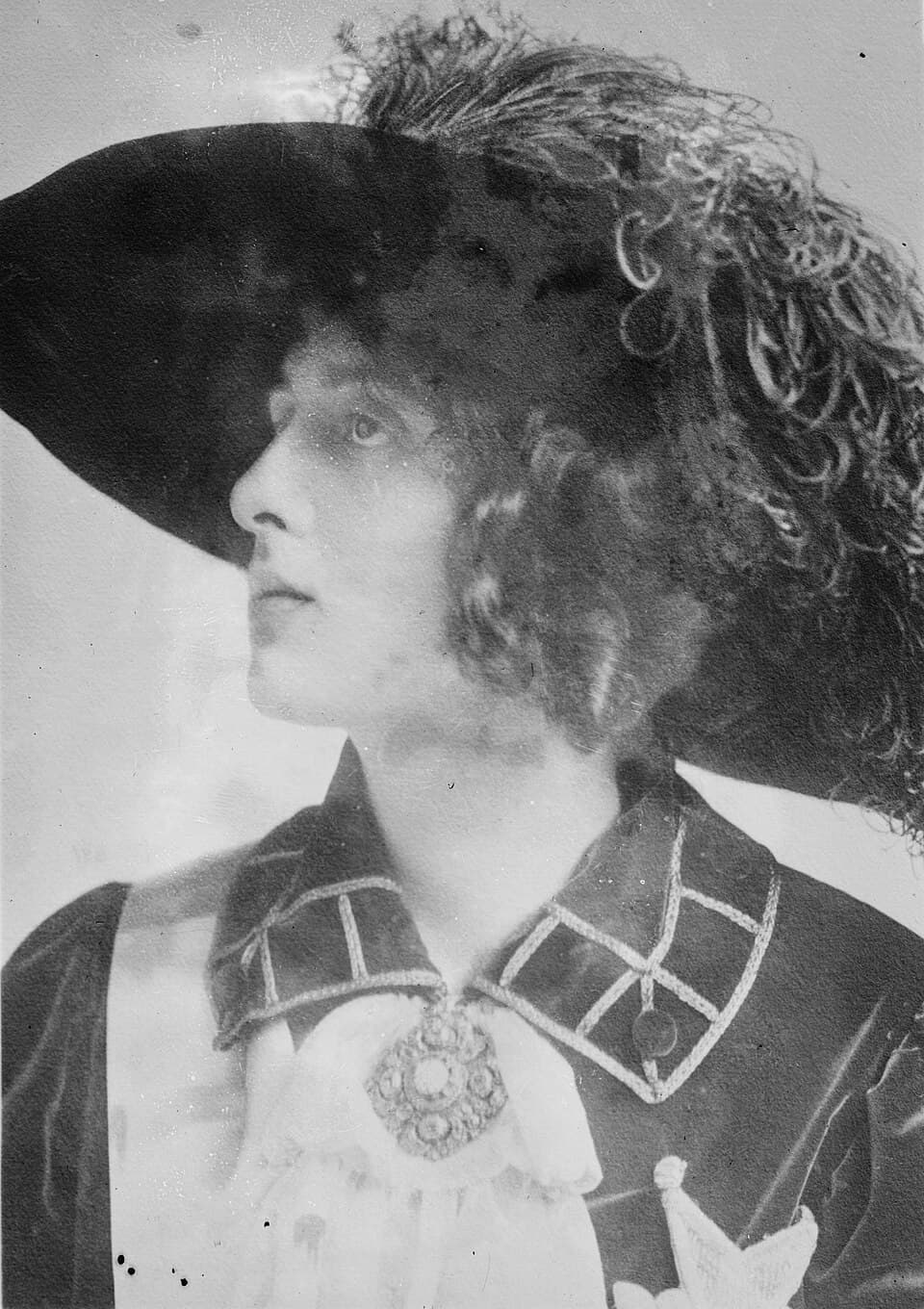
British · Literature · Arts · Activism
Vita Sackville-West
March 9, 1892 – June 2, 1962
Early Life and Background
Vita Sackville-West was born on March 9, 1892, at Knole House in Kent, England, into an aristocratic family. Her father, Lionel Edward Sackville-West, was the 3rd Baron Sackville, and her mother, Victoria Sackville-West, was a renowned socialite. Vita grew up in a privileged environment with access to extensive libraries, which played a significant role in forming her literary interests. Despite being the heir to the family estate by proximity of lineage, the inheritance laws at the time prohibited women from owning property, which deeply affected her.
Career Beginnings and Development
Vita began writing poetry and prose from a young age, publishing her first book of poetry in 1907 at the age of 14. Her early works comprised primarily of romantic and pastoral poetry, echoing the influences of her childhood surroundings. During World War I, Vita became more involved in social circles that would later form the Bloomsbury Group—composed of writers, intellectuals, philosophers, and artists. She would later become a significant voice within this collective, particularly due to her explorations of gender and societal norms.
Major Works and Accomplishments
Over her lifetime, Sackville-West authored numerous poems, novels, and non-fiction. Notable novels include The Edwardians (1930) and All Passion Spent (1931). Her novel Orlando: A Biography (1928), written by Virginia Woolf, who was both her friend and lover, is based on her and is considered an important work examining gender identity and sexual orientation.
Aside from her literary contributions, Vita and her husband Harold Nicolson co-created the renowned Sissinghurst Castle Garden, a now-legendary example of English garden design and a testament to her passion for horticulture.
Awards, Honors, and Recognitions
Vita's prowess as a poet was acknowledged during her lifetime through prestigious honors. She was awarded the Hawthornden Prize for poetry twice, first in 1927 for her epic poem The Land and again in 1933 for Collected Poems.
Personal Life
Vita married Harold Nicolson, a diplomat and writer, in 1913. Their marriage, while unconventional with acknowledged affairs on both sides, was enduring and supportive. The couple had two children together. Her most famous romantic relationship outside her marriage was with Virginia Woolf, a rapport that significantly enriched both of their literary careers.
Legacy and Historical Impact
Vita Sackville-West's literary contributions spanned across novels, essays, and biographies, leaving an indelible mark on 20th-century literature. Her exploration of gender roles and identity in her works paved the way for discussions that continue today. The Sissinghurst Castle Garden remains one of her most enduring legacies.
Later Life and Death
Vita continued to write and manage Sissinghurst Garden until her passing. She died on June 2, 1962, at Sissinghurst Castle, leaving behind a legacy of bold perspectives and artistic contributions.
Dated achievements
5 indexed.
- Mar091892Science
Born at Knole House, Kent
Vita Sackville-West was born at the ancestral estate of Knole in Kent, England, on 9 March 1892.
View details Vita Sackville-West - Wikipedia - Oct011913Literature
Married Harold Nicolson
Vita Sackville-West married diplomat and writer Harold Nicolson at Knole's private chapel on 1 October 1913.