← All women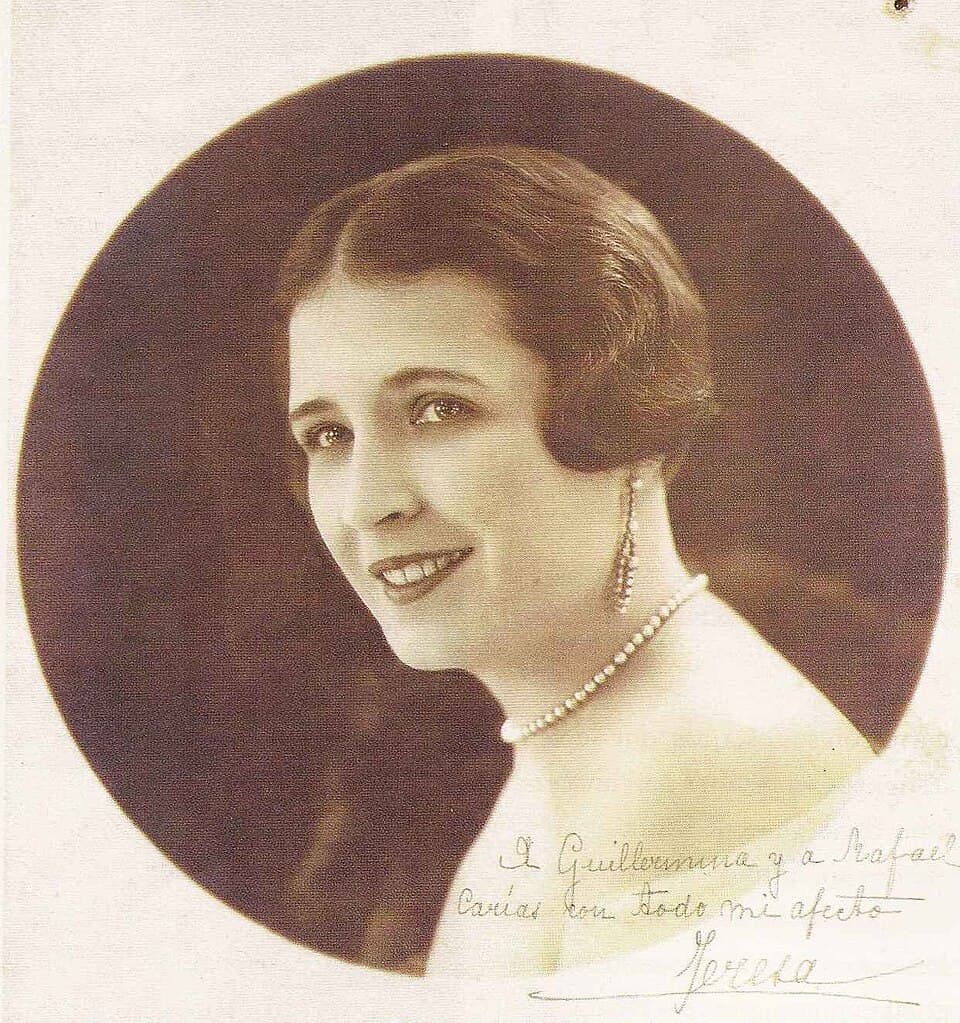
Venezuelan · Literature
Teresa de la Parra
October 5, 1889 – April 23, 1936
Early Life and Background
Teresa de la Parra was born Ana Teresa Parra Sanojo on October 5, 1889, in Paris, France, while her Venezuelan father was stationed there as a diplomat. Her early years were marked by transatlantic moves between Europe and Venezuela, giving her a unique perspective influenced by both cultures. After her father passed away, Teresa moved to a family hacienda in Venezuela, where she would draw inspiration for her later works. She attended secondary school at the Sacred Heart School in Godella, Valencia, Spain, an experience that greatly influenced her religious and cultural identity.
Career Beginnings and Development
Teresa's literary career began in earnest upon moving to Caracas, where she became involved with intellectual circles. Her first novel, Ifigenia: Diario de una señorita que escribió porque se fastidiaba, published in 1924, was a seminal work that examined societal pressures on women and parodied romantic fiction conventions of the time. The work was well-received, establishing de la Parra as a vital voice in Venezuelan and Latin American literature.
Major Works, Discoveries, or Accomplishments
Ifigenia paved the way for her second major novel, Las Memorias de Mamá Blanca, released in 1929. This novel explored childhood memories and class distinctions through a fictional narrative that drew on her own family history. Both works showcased her ability to weave personal experiences with broader social issues, contributing significantly to discussions on gender and class in Latin America.
Awards, Honors, and Recognition
Although Teresa de la Parra did not receive significant formal awards during her lifetime, her works earned her a respected place within literary circles in Latin America. She was invited to various conferences and was considered one of the leading intellectuals of her time.
Personal Life
Teresa remained unmarried, dedicating her life to her literary pursuits. Her writings often suggested deep introspection and critique of societal norms, a reflection of her personal encounters with the restrictive structures of the society she lived in.
Legacy and Historical Impact
Teresa de la Parra is remembered as a trailblazer in feminist literature within Latin America. Her keen insight into societal norms and her portrayal of strong, introspective female characters predicated the feminist literary movement. Scholars continue to study her works for their thematic depth and socio-cultural critiques.
Later Life and Death
In her later years, de la Parra battled tuberculosis, which significantly impacted her health and productivity. She sought treatment in Europe, but ultimately the illness claimed her life on April 23, 1936, in Madrid, Spain. Despite her relatively short life, her legacy endures through her impactful literary contributions.
Dated achievements
2 indexed.
- Oct051889Literature
Birth of Teresa de la Parra in Paris
Ana Teresa Parra Sanojo was born in Paris to a Venezuelan diplomatic family, though she was raised on her family's hacienda near Caracas.
View details Teresa de la Parra - Wikipedia - Apr231936Literature
Death of Teresa de la Parra in Madrid
Teresa de la Parra died of tuberculosis in Madrid, Spain, at age 46, cutting short a distinguished literary career.