← All women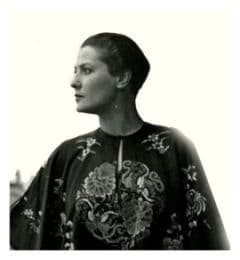
French · Arts
Suzanne Belperron
September 26, 1900 – March 28, 1983
Early Life and Background
Suzanne Belperron was born on September 26, 1900, in Saint-Claude, France, in the Jura Mountains. This region, known for its watchmaking tradition, laid the groundwork for her future in design. From a young age, she displayed an aptitude for drawing and a keen sense of aesthetics, which she further honed at the Besançon School of Fine Arts. Here, she cultivated her skills in decorative arts, graduating with honors at the age of 21.
Career Beginnings and Development
Belperron began her professional journey at Maison Boivin, a prestigious Parisian jewelry house, where she developed her distinctive style characterized by bold, organic shapes and modernist influences. Her approach broke away from traditional jewelry norms, favoring a sculptural aspect and the use of semi-precious stones.
Her real breakthrough came in 1932 when she joined Bernard Herz, a reputable dealer in precious stones. This partnership catalyzed her rise in the jewelry world as she gained the freedom to create revolutionary designs. Belperron's pieces became coveted by royalty and celebrities, with many admirers from the fashion and film industry.
Major Works and Accomplishments
Throughout her career, Suzanne's jewelry was known for its seamless integration of materials and form. Her refusal to sign her work, famously stating that her style was her signature, marked her commitment to her art beyond commercial branding. She designed for many notable personalities, including the Duchess of Windsor and actress Merle Oberon.
Even during World War II, Belperron's work continued to thrive. Post-war, she rebranded the business as "Jean Herz-Suzanne Belperron," maintaining her innovative influence in the field.
Awards, Honors, and Recognition
Suzanne Belperron received numerous accolades for her work. Although specific awards were overlooked due to her modesty and reticence in personal promotion, her historical impact was profound. Her pieces, often singular and never signed, remain highly sought after in auction houses worldwide.
Personal Life
Belperron married engineer Jean Belperron in 1924. Their marriage lasted until her husband's death in 1946. Suzanne retained a low personal profile despite her public success, preferring intimate than grandiose socials.
Legacy and Historical Impact
Belperron's legacy is characterized by her influential style that defied conventional boundaries. Her work is recognized for reshaping 20th-century jewelry design, setting precedence for many that followed. The rise in appreciating her works posthumously highlights society's shift towards valuing design integrity over commercial ties.
Later Life and Death
Suzanne Belperron continued to work quietly into her later years, living surrounded by the artifacts of her creative life. She passed away on March 28, 1983, in Paris, leaving a treasure of uncatalogued designs and a rich historical impact praised by connoisseurs and historians alike.
Dated achievements
2 indexed.
- Sep261900Arts
Birth of Suzanne Belperron
Suzanne Belperron was born in Saint-Claude, France.
View details Suzanne Belperron - Wikipedia - Mar281983