← All women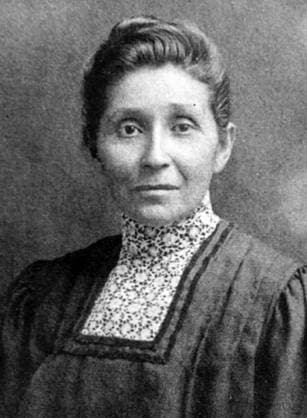
American · Science · Medicine
Susan La Flesche
June 17, 1865 – September 18, 1915
Early Life and Background
Susan La Flesche Picotte was born on June 17, 1865, on the Omaha Reservation in Nebraska. She was the youngest of four daughters born to Joseph "Iron Eye" La Flesche, the last recognized chief of the Omaha tribe, and his wife Mary. Her upbringing was steeped in the traditions of her people but coupled with an education that prepared her for life in both the native and Euro-American worlds. Her family's progressive values were instrumental in fostering Susan's aspirations for higher learning. She was educated at the Elizabeth Institute for Young Ladies in New Jersey and the Hampton Institute in Virginia.
Career Beginnings and Development
La Flesche's determination to become a physician was sparked by a poignant memory from her childhood when she experienced the neglect of a sick Native woman by a white doctor. Her commitment led her to the Woman's Medical College of Pennsylvania, one of the few institutions at the time that accepted women and minorities. She graduated in 1889 at the top of her class, becoming the first Native American woman to earn a medical degree in the United States.
Major Works and Accomplishments
After earning her degree, La Flesche returned to the Omaha Reservation, where she served her community as its physician. She treated an estimated 1,244 patients over 450 square miles. Despite facing cultural barriers and gender biases prevalent in her time, she secured improvements in hygiene, nutrition, infant care, and disease prevention. One of her most notable achievements was the establishment of the first privately funded hospital on a Native American reservation, which opened in Walthill, Nebraska in 1913.
Awards and Recognition
While her work went largely unrecognized in her lifetime compared to the accolades she might have received today, Susan La Flesche Picotte’s legacy endures through the hospital she built, her pioneering status as a physician, and her advocacy for Native American rights.
Personal Life
In 1894, Susan married Henry Picotte, a Sioux store clerk. They had two sons together. Her marriage and raising a family added personal challenges to her professional ones, but she managed to balance these facets with aplomb.
Legacy and Historical Impact
Susan La Flesche Picotte is remembered not only as the first Native American woman physician but as a steadfast advocate for the health and welfare of her people. Her life and work demonstrated the value of combining traditional knowledge with modern medicine. Her contributions significantly improved healthcare standards on the Omaha Reservation and inspired future generations of Native American health professionals.
Later Life and Death
Despite battling health problems, Susan continued to serve her community until her death. She passed away on September 18, 1915, leaving behind a transformative legacy in medical care and monumental inspiration for Native people pursuing careers in healthcare. Her hospital was eventually designated a National Historic Landmark in 1993, cementing her contributions and impact on American history.
Dated achievements
3 indexed.
- Jun171865Medicine
Born on the Omaha Reservation, Nebraska
Susan La Flesche was born on June 17, 1865, on the Omaha Reservation in Nebraska, the youngest daughter of Chief Joseph La Flesche (Iron Eye).
View details Susan La Flesche Picotte - Wikipedia - Mar141889Medicine
Graduated top of her class from the Woman's Medical College of Pennsylvania
On March 14, 1889, Susan La Flesche graduated first in her class from the Woman's Medical College of Pennsylvania, becoming the first Native American woman to earn a medical degree.