← All women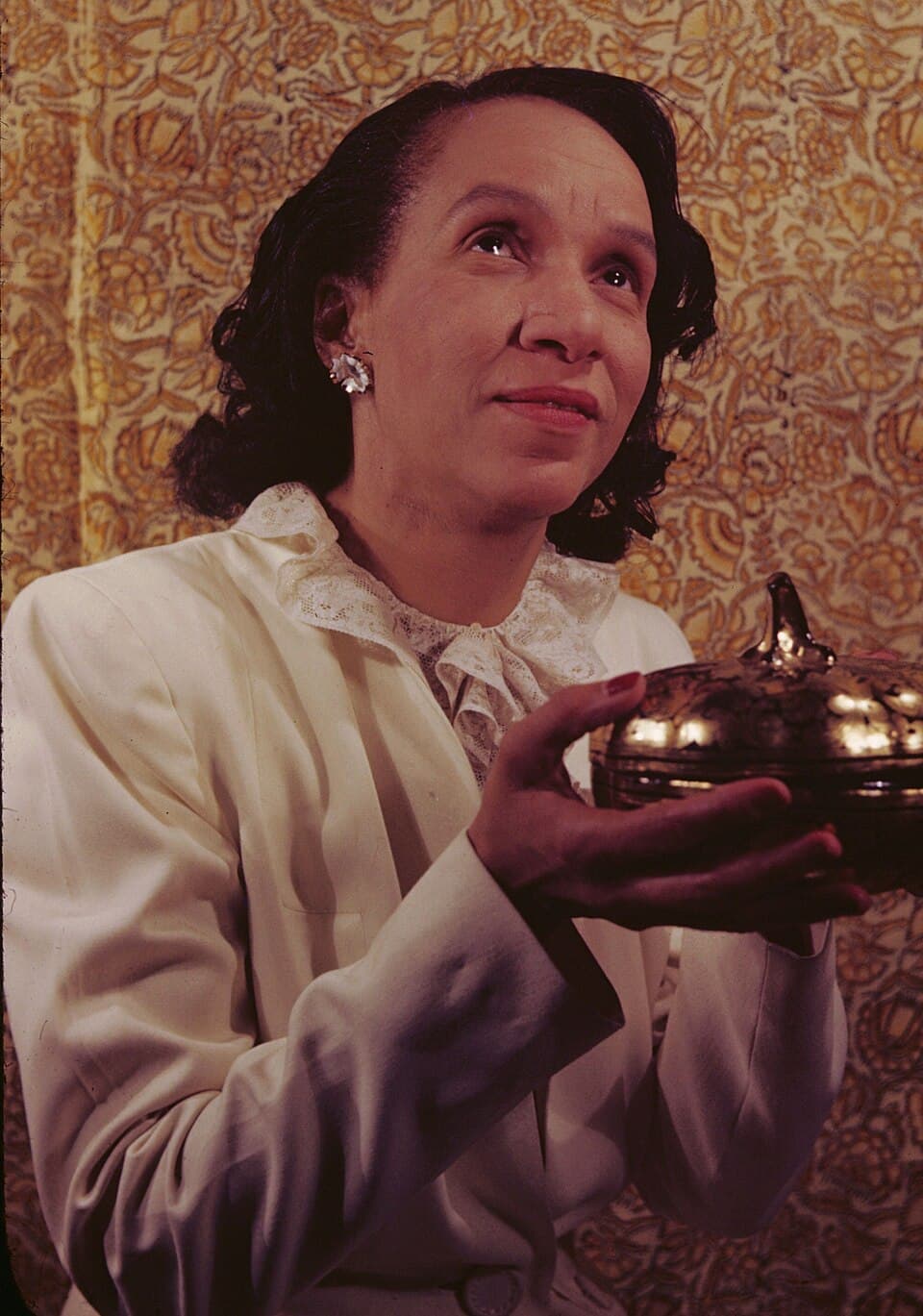
American · Arts · Activism · Literature
Shirley Graham Du Bois
November 11, 1896 – March 27, 1977
Early Life and Background
Shirley Graham Du Bois was born as Lola Shirley Graham on November 11, 1896, in Evansville, Indiana, USA. She was the daughter of David Graham, an African Methodist Episcopal minister, and Etta Bell Graham. Her family moved frequently due to her father's assignments, exposing Shirley to diverse cultures and intellectual communities at a young age. This eclectic upbringing instilled in her a strong sense of cultural identity and social justice.
Shirley pursued education vigorously, enrolling at the historically black institution, Oberlin College, where she earned a Bachelor's degree in 1934 and later a Master's degree in music history. Her education was pivotal in shaping her future as a writer and activist.
Career Beginnings and Development
Graham's career began with a focus on music and drama. She wrote several operas and musicals aimed at African American audiences, the most notable being Tom-Tom (1932), which celebrated African history and had a successful debut in Cleveland, Ohio. Her work in the arts was intertwined with themes of racial identity and historical awareness, making significant cultural contributions during the Harlem Renaissance.
Major Works and Accomplishments
Beyond plays and musicals, Shirley wrote biographies and novels, focusing on important African American figures and highlighting social issues. Her seminal writings include Zik: A Drama in Four Scenes and biographies of Paul Robeson and W.E.B. Du Bois, her second husband. Through these works, she provided black historical narratives central to American culture, often facing the challenge of limited acceptance in mainstream society.
Awards, Honors, and Recognition
Though Shirley's works were celebrated among African American communities, mainstream recognition was limited due to societal barriers of the era. Nevertheless, her impact was profound in literary and civil rights circles, often credited with influencing later African American historical and cultural rediscovery movements.
Personal Life
Shirley married the famed intellectual W.E.B. Du Bois in 1951, aligning with him in global activism and political endeavors. The couple lived outside the United States for much of their later life, particularly in China and Ghana, where they were involved in political and social advocacy.
Legacy and Historical Impact
Shirley Graham Du Bois's legacy is one of blending art with activism. Her efforts to document and dramatize African American history contributed to the Civil Rights Movement's cultural foundations. Her life exemplifies the intersection of artistic pursuit and political advocacy, inspiring future generations of artists and activists.
Later Life and Death
In later years, Shirley lived mostly in Africa, becoming a citizen of Ghana in 1961 after renouncing her American citizenship. She continued her advocacy and writing until her death. Shirley Graham Du Bois died on March 27, 1977, in Beijing, China, leaving behind a substantial body of work and a legacy of activism.
Dated achievements
2 indexed.
- Nov111896Arts
Birth of Shirley Graham Du Bois
Shirley Graham Du Bois was born on November 11, 1896.
View details Shirley Graham Du Bois - Wikipedia - Mar271977Arts
Death of Shirley Graham Du Bois
Shirley Graham Du Bois passed away on March 27, 1977, in Beijing, China.
View details