← All women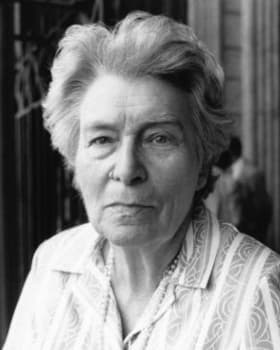
French, Polish · Activism
Sabine Zlatin
January 13, 1907 – September 21, 1996
Early Life and Background
Sabine Zlatin was born on January 13, 1907, in Warsaw, then part of the Russian Empire. Growing up in a Jewish family, she experienced firsthand the challenging and often perilous life for Jews in early 20th-century Europe. Her upbringing in a tumultuous setting, marked by the harsh realities of anti-Semitism, profoundly influenced her future actions. Zlatin pursued studies in arts at the University of Warsaw before moving to France, where she found a refuge and would later play a pivotal role in the fight against persecution during World War II.
Career Beginnings and Development
Upon settling in France, Zlatin took up various jobs and gravitated towards humanitarian efforts, particularly during the war years. She married Miron Zlatin, a Polish engineer, with whom she moved to Montpellier. During this time, she became increasingly aware of the worsening situation for Jews under Nazi hegemony.
Major Works, Discoveries, or Accomplishments
In 1943, as the deportation of Jews intensified, Sabine Zlatin established La Maison d'Izieu (The Children's Home of Izieu) in southern France. Her aim was to provide a safe haven for Jewish children. Throughout its operation, the home harbored scores of children, affording them a semblance of normalcy and protection from the ongoing atrocities.
Tragically, on April 6, 1944, the home was raided by the Gestapo. Under the command of Klaus Barbie, the ‘Butcher of Lyon,’ forty-four children and seven staff members were arrested and later deported to Auschwitz, where they were killed. Zlatin's efforts were not in vain, however, as her actions saved countless others from a similar fate.
Awards, Honors, and Recognition
After the war, Zlatin's tireless work didn't go unnoticed. She later testified against Klaus Barbie during his trial in 1987, leading to his conviction for crimes against humanity. Her contribution to the French Resistance and her valiant efforts in protecting Jewish children were subsequently recognized by the French government.
Personal Life
Zlatin's personal life was intricately tied to her humanitarian mission. Her marriage to Miron Zlatin was marked by mutual respect and shared commitment to activism. Though they had no children of their own, the many she cared for at Izieu became her extended family.
Legacy and Historical Impact
Sabine Zlatin remains a symbol of courage and compassion. Her actions exemplify the profound impact of individual resilience in the face of overwhelming tyranny. The site of the Children's Home of Izieu is now a memorial, ensuring that the memory of the children and Zlatin's bravery endures.
Later Life and Death
Sabine spent her later years advocating for Holocaust remembrance and the rights of survivors. She passed away on September 21, 1996, in Paris, leaving behind a legacy that continues to inspire future generations to act against hatred.
Dated achievements
5 indexed.
- Jan131907Science
Birth of Sabine Zlatin
Sabine Chwast (later Zlatin) was born on January 13, 1907, in Warsaw, then part of the Russian Empire (present-day Poland).
View details Sabine Zlatin - Wikipedia - May061943Science
Establishment of the Izieu Children's Home
Sabine Zlatin opened a refuge for Jewish children in Izieu, France, on May 6, 1943, to shelter them from Nazi persecution.