← All women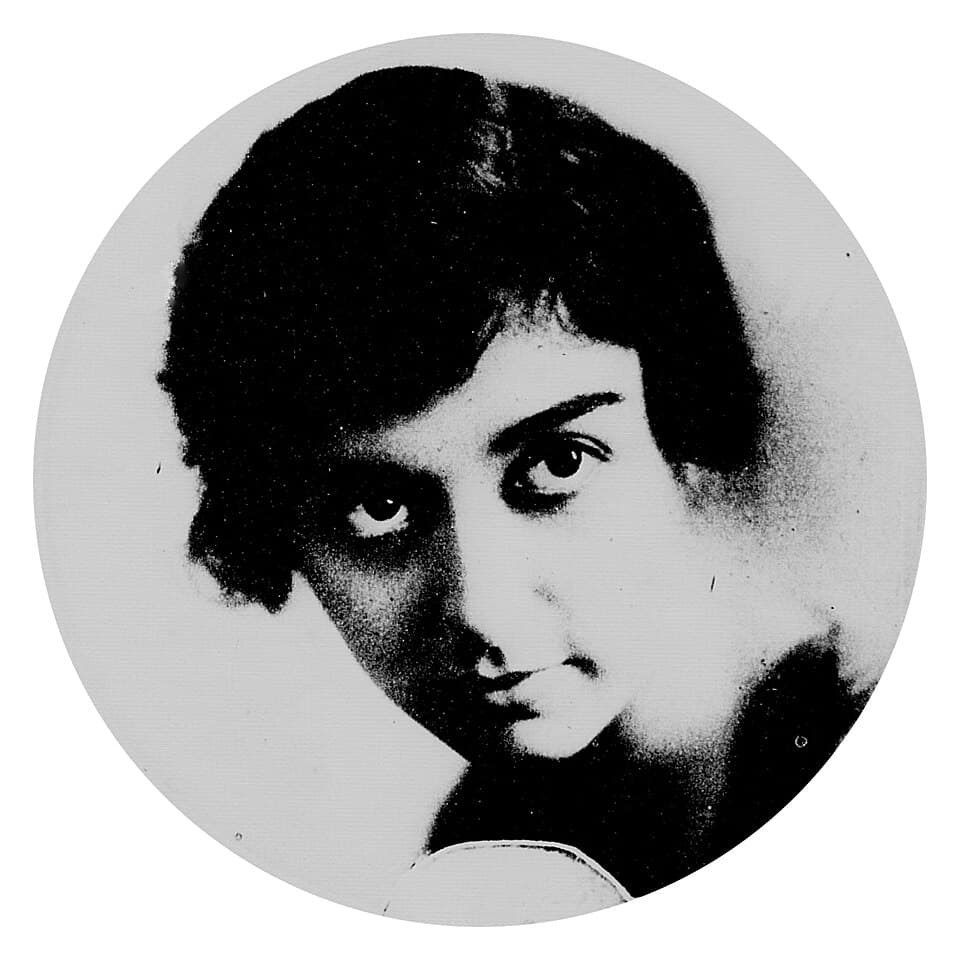
American · Arts
Ruth Rose
January 16, 1896 – June 8, 1978
Early Life and Background
Ruth Rose was born on August 26, 1896, in New York City, into a family with theatrical connections that exposed her early to the world of performance and storytelling. Details of her childhood remain sparse in the historical record, but by her early twenties she had entered the entertainment industry as an actress, appearing in silent films and on stage during the 1910s and early 1920s. This period gave her firsthand knowledge of the mechanics of filmmaking and performance, skills that would later prove invaluable when she transitioned to screenwriting.
Career Beginnings: From Actress to Expedition Companion
Rose's career took an unusual turn when she became involved with a group of documentary filmmakers and adventurers, most notably Merian C. Cooper and Ernest B. Schoedsack, who were known for their pioneering ethnographic and adventure documentaries such as Grass (1925) and Chang (1927). Rose joined subsequent expeditions with the pair, traveling to remote and often dangerous locations that few Western women of her era ever visited. This was an extraordinary opportunity, as women were rarely included in serious expedition work during the 1920s, and Rose's participation demonstrated both her personal resilience and the trust placed in her by her collaborators.
Her time in the field was not merely observational — she absorbed the rhythms, dangers, and cultural encounters of expedition life, material that she would later transmute into vivid, authentic screenwriting. Her marriage to Ernest B. Schoedsack further cemented her creative partnership within this circle of adventurous filmmakers, and the couple would remain personal and professional collaborators for the rest of their lives.
Major Works: King Kong and Beyond
Ruth Rose's most celebrated achievement came in 1933 when she co-wrote the screenplay for King Kong alongside James Ashmore Creelman, based on a story developed by Cooper and novelist Edgar Wallace. The film, released on March 2, 1933, combined pioneering stop-motion special effects by Willis O'Brien with a compelling narrative of adventure, hubris, and tragedy. Rose's screenplay work drew heavily upon her own travels and expedition experiences, lending the picture's depiction of exotic, dangerous landscapes an air of authenticity rare in studio productions of the period.
King Kong was a massive commercial and critical success, and it remains one of the most influential films in the history of American cinema, inspiring countless imitators, sequels, and remakes across nearly a century. Rose's screenwriting credit on such a major production was a notable achievement for a woman in 1930s Hollywood, an industry in which female screenwriters, while more numerous than in later decades, were still frequently overlooked for major genre and effects-driven pictures.
Beyond King Kong, Rose continued to work in the film industry, contributing to screenplays for other RKO productions in the 1930s, including collaborations connected to the broader Cooper-Schoedsack creative circle. Her work often carried the same blend of adventure, exoticism, and character-driven storytelling that had defined her breakthrough project. She also contributed writing to films such as Son of Kong (1933) and other adventure-themed pictures of the era, continuing to draw on her expedition background.
Personal Life
Ruth Rose married director and cinematographer Ernest B. Schoedsack, her frequent collaborator and expedition companion. Their partnership was both personal and professional, with Rose's screenwriting complementing Schoedsack's directorial and cinematographic work on several projects. The couple's shared history of international travel and documentary filmmaking gave their creative partnership a distinctive, adventurous flavor that set their work apart from more conventional studio productions of the period.
Unlike many of her contemporaries in the film industry, Rose's life outside of screenwriting was deeply entwined with genuine exploration and travel, rather than solely the artifice of studio filmmaking. This lived experience of the wider world gave her a unique perspective that she brought to her creative work.
Legacy and Historical Impact
Ruth Rose's legacy rests primarily on her contribution to King Kong, a film that has become a cornerstone of American popular culture and a touchstone for the study of early special-effects cinema, colonial-era adventure narratives, and monster movie mythology. Film historians and enthusiasts have increasingly recognized Rose's role in shaping the film's tone and narrative depth, moving beyond earlier accounts that emphasized the contributions of her male collaborators alone.
Her life story has also attracted renewed attention from historians interested in the hidden contributions of women to early Hollywood, particularly in genres — adventure, fantasy, and monster films — that have traditionally been coded as male domains both in front of and behind the camera. Some retrospective analyses have speculated that Rose's own adventurous persona may have informed aspects of the character of Ann Darrow, the female lead of King Kong, even though Rose was a writer rather than a performer on the film.
Rose's unusual path — from actress to expedition traveler to screenwriter — exemplifies the resourcefulness required of women seeking creative agency in the male-dominated film industry of the early twentieth century. Her story has been revisited in various retrospectives, blogs, and academic essays examining the overlooked women of early Hollywood.
Later Life and Death
Ruth Rose continued to be associated with the film industry and her husband's projects in subsequent decades, though she gradually stepped back from active screenwriting credits as the studio system evolved. She died in 1978. Her precise death date is not consistently documented across available sources, but her contributions to American cinema, particularly through King Kong, continue to be studied and celebrated by film historians and monster-movie enthusiasts alike.
Today, Ruth Rose is remembered as a pioneering, if underappreciated, figure in early Hollywood screenwriting — a woman whose real-life adventures helped shape one of cinema's most enduring and beloved stories.
Dated achievements
2 indexed.
- Jan161896Arts
Birth of Ruth Rose
Ruth Rose was born on January 16, 1896.
View details Ruth Rose Biography on IMDb - Jun081978