← All women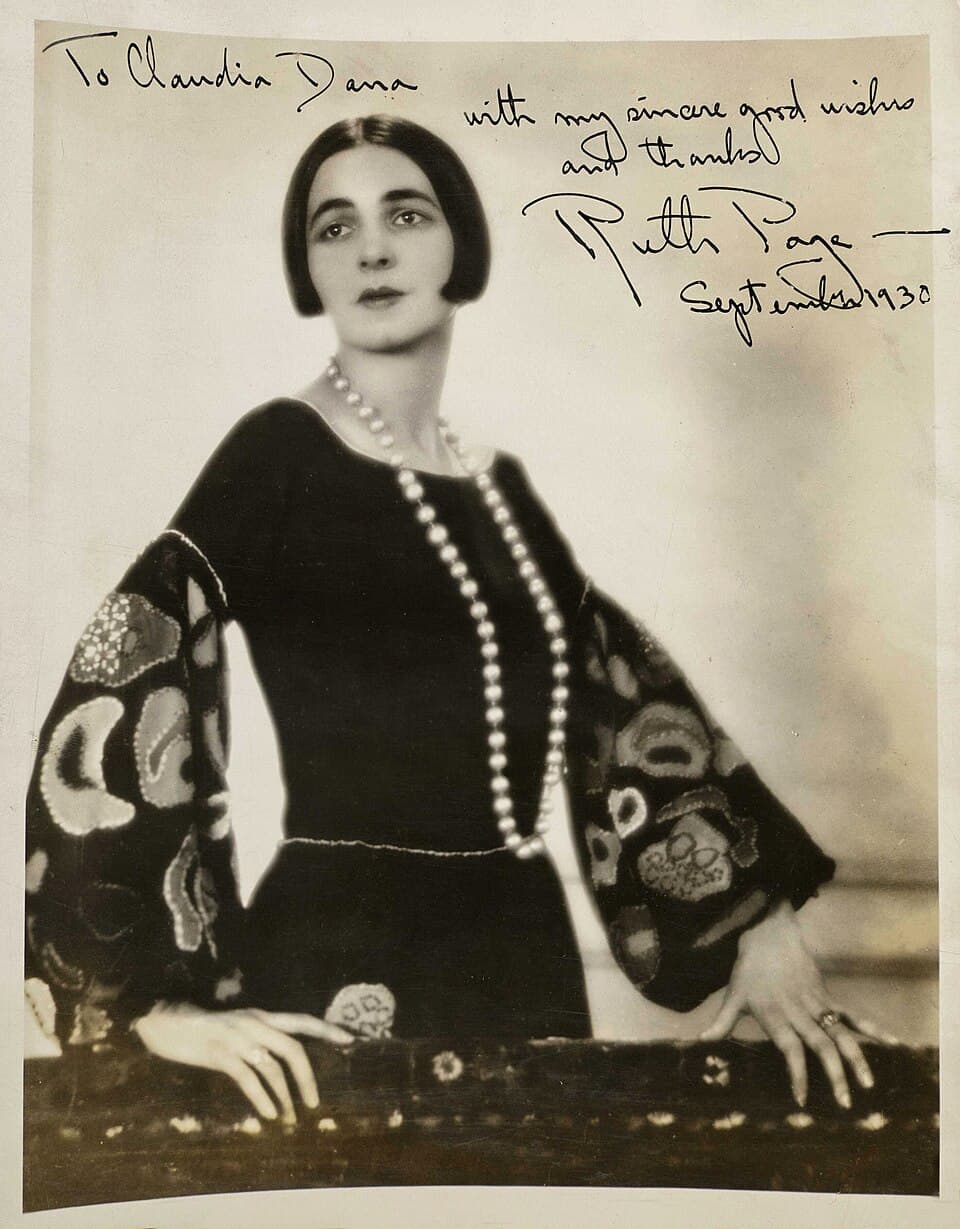
American · Arts
Ruth Page
March 22, 1899 – April 7, 1991
Early Life and Background
Ruth Page was born on March 22, 1899, in Indianapolis, Indiana, USA. From a young age, Page demonstrated a passion for ballet, studying under the tutelage of various prestigious instructors, including Adolph Bolm and Enrico Cecchetti. Her early exposure to dance propelled her into pursuing a career as a ballerina, which would later see her reshaping the American ballet scene.
Career Beginnings and Development
Page began her professional career as a dancer with the Chicago Opera Ballet and launched her first solo performance in 1917 at the Metropolitan Opera. Under Bolm’s mentorship, she refined her skills, gaining recognition for her expressive technique and innovative choreographic style. Page's career trajectory intensified during the 1920s and 1930s when she toured internationally, collaborating with prominent figures like Serge Diaghilev and becoming known for her unique ability to blend classical ballet with distinctively American themes.
Major Works and Accomplishments
Ruth Page’s diverse body of work included iconic productions like "Frankie and Johnny" (1938), which depicted American folklore through ballet, and "The Merry Widow" (1955), which showcased her flair for integrating narrative with dance. In 1937, she established the Ballet Guild of Chicago, cementing the city's reputation as a serious hub for ballet. Her productions were known for their innovative sets, engaging music scores, and incorporation of modernist elements, allowing her to explore a spectrum of genres from the whimsical to the dramatic.
Awards, Honors, and Recognition
Throughout her career, Ruth Page received numerous accolades, highlighting her pivotal role in American ballet. She was awarded the Capezio Dance Award in 1977, acknowledging her contributions to dance education and choreography. Page's influence extended beyond performance; she was instrumental in establishing dance institutions, mentoring a generation of dancers and choreographers, and fostering cross-disciplinary collaborations.
Personal Life
Ruth Page married artist Thomas Hart Fisher in 1925, whose support and understanding of her artistic endeavors provided a solid foundation for her career. While she did not have children, her legacy lived on through her extensive body of work and numerous disciples. Page’s personal and professional life deeply interwoven provides fascinating insights into her dedication to the art and how it shaped her engagements with the broader cultural trends of her time.
Legacy and Historical Impact
Ruth Page’s legacy is enshrined in her innovative approach to ballet. She broke new ground by introducing experimental dance forms and developing Chicago as a notable location for dance innovation. Her influence persists through the Ruth Page Center for the Arts, which she founded, offering training in dance and performance arts. Page’s indelible mark on American ballet serves as an inspiring testament to innovation and resilience in the arts.
Later Life and Death
Ruth Page continued to be actively involved in the arts through the latter part of her life, creating and mentoring until her passing. She died on April 7, 1991, in Chicago, Illinois, at the age of 92. Her passing marked the end of an era in American ballet, yet her contributions provided a rich legacy for future generations in the performing arts.
Dated achievements
2 indexed.
- Mar221899Arts
Born in Indianapolis, Indiana
Ruth Page was born on March 22, 1899, in Indianapolis, Indiana, to a prominent family that supported her early ballet training.
View details Ruth Page (ballerina) - Wikipedia - Apr081991Arts
Died in Chicago, Illinois
Ruth Page died on April 8, 1991, in Chicago at age 92, after a career spanning over seven decades as a dancer and choreographer.