← All women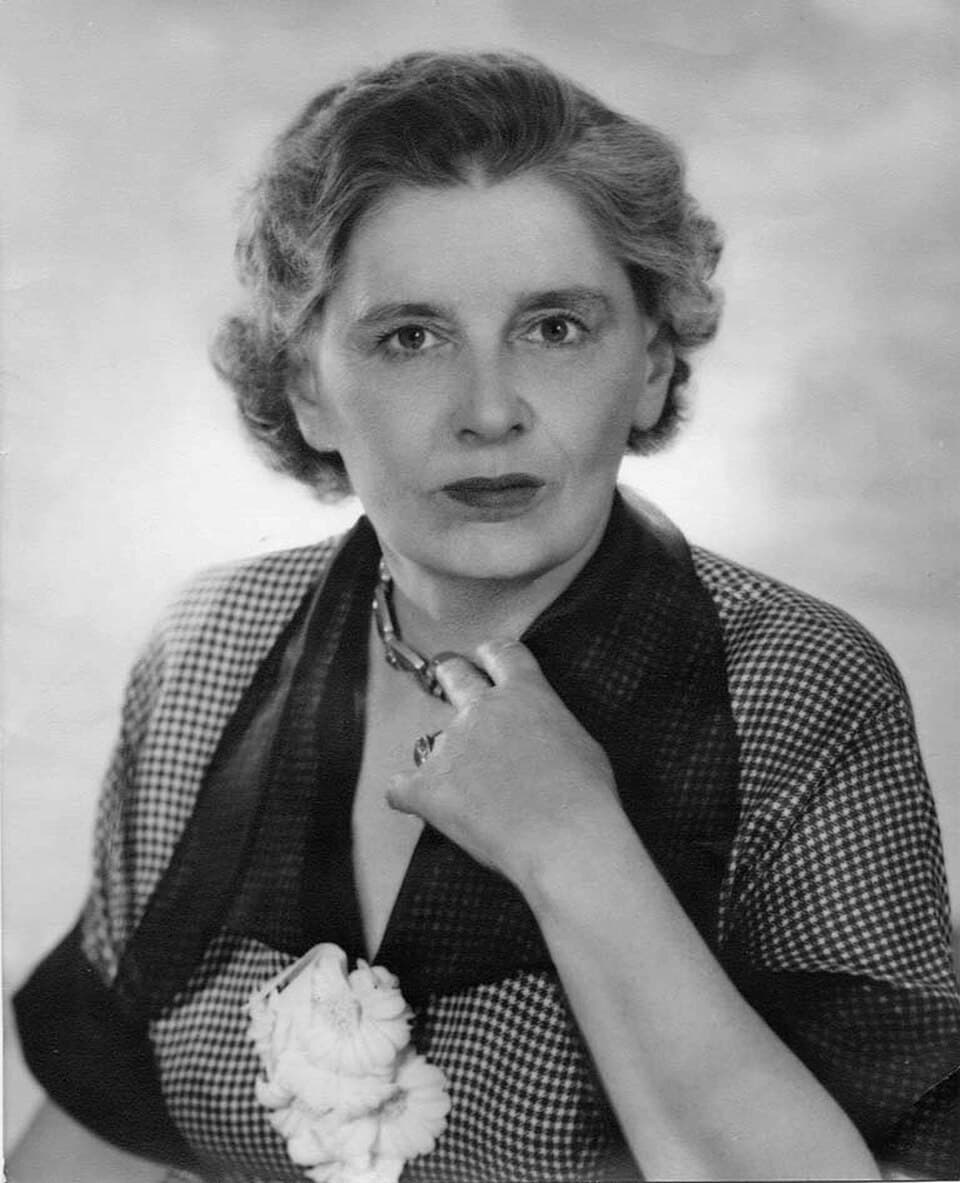
British · Literature · Politics · Activism
Rebecca West
December 21, 1892 – March 15, 1983
Early Life and Background
Rebecca West, born Cicily Isabel Fairfield on December 21, 1892, in London, England, was the youngest of three daughters. Her father, Charles Fairfield, was a journalist and her mother, Isabella Campbell, was a pianist. After her father's departure from the family when she was eight, West grew up in poverty, which deeply influenced her world view.
She attended George Watson's Ladies College in Edinburgh but left formal education early due to tuberculosis, which also interrupted her schooling several times. Despite these challenges, West educated herself, developing a lifelong love for literature and writing.
Career Beginnings and Development
West adopted her pen name, inspired by the character in Henrik Ibsen's play 'Rosmersholm', and began her career as a journalist and critic. Her early work appeared in socialist publications, including 'The Clarion'. Her passionate and incisive writing quickly earned her recognition as a powerful voice among women writers and critics.
Major Works and Accomplishments
West's literary achievements are expansive. Her first novel, The Return of the Soldier (1918), examined the psychological impacts of war. She is perhaps best known for Black Lamb and Grey Falcon (1941), a rich exploration of the Balkans. She also penned A Train of Powder (1955), a collection of essays on trials and justice. Her works often addressed themes of feminism, politics, social justice, and human experience.
Awards, Honors, and Recognition
Throughout her career, West received numerous accolades. In 1949, she was made a Dame Commander of the Order of the British Empire in acknowledgment of her contributions to literature and journalism. West's influence extended well beyond her lifetime, with her works continuing to be subjects of analysis and discussion.
Personal Life
West had a significant relationship with H.G. Wells, with whom she had a son, Anthony West, in 1914. Her relationship with Wells was both personal and profoundly intellectual, though it eventually ended due to West's independent spirit. She married Henry Andrews, a banker, in 1930. Their marriage lasted until his death in 1968.
Legacy and Historical Impact
West is considered one of the 20th century's foremost female writers. Her work challenged preconceived notions about women's roles in society and politics. She was a trailblazer in the realm of journalistic integrity and political discourse. Her sharp critique of totalitarian regimes and advocacy for social justice remain relevant today, inspiring feminist thought and political activism.
Later Life and Death
West continued writing prolifically into her later years, although she limited her public appearances. Health issues eventually slowed her productivity as she entered her 80s. Rebecca West passed away on March 15, 1983, in London, leaving a lasting legacy through her substantial contributions to literature and journalism.
Dated achievements
3 indexed.
- Dec211892Science
Birth of Rebecca West (Cicily Isabel Fairfield)
Born Cicily Isabel Fairfield in London, later known by her pen name Rebecca West, journalist, novelist, and critic.
View details Rebecca West - Wikipedia - Aug101911Science
Debut as Suffragist Journalist
Rebecca West began writing for the feminist weekly The Freewoman in 1911, launching her career as a radical journalist and critic.