← All women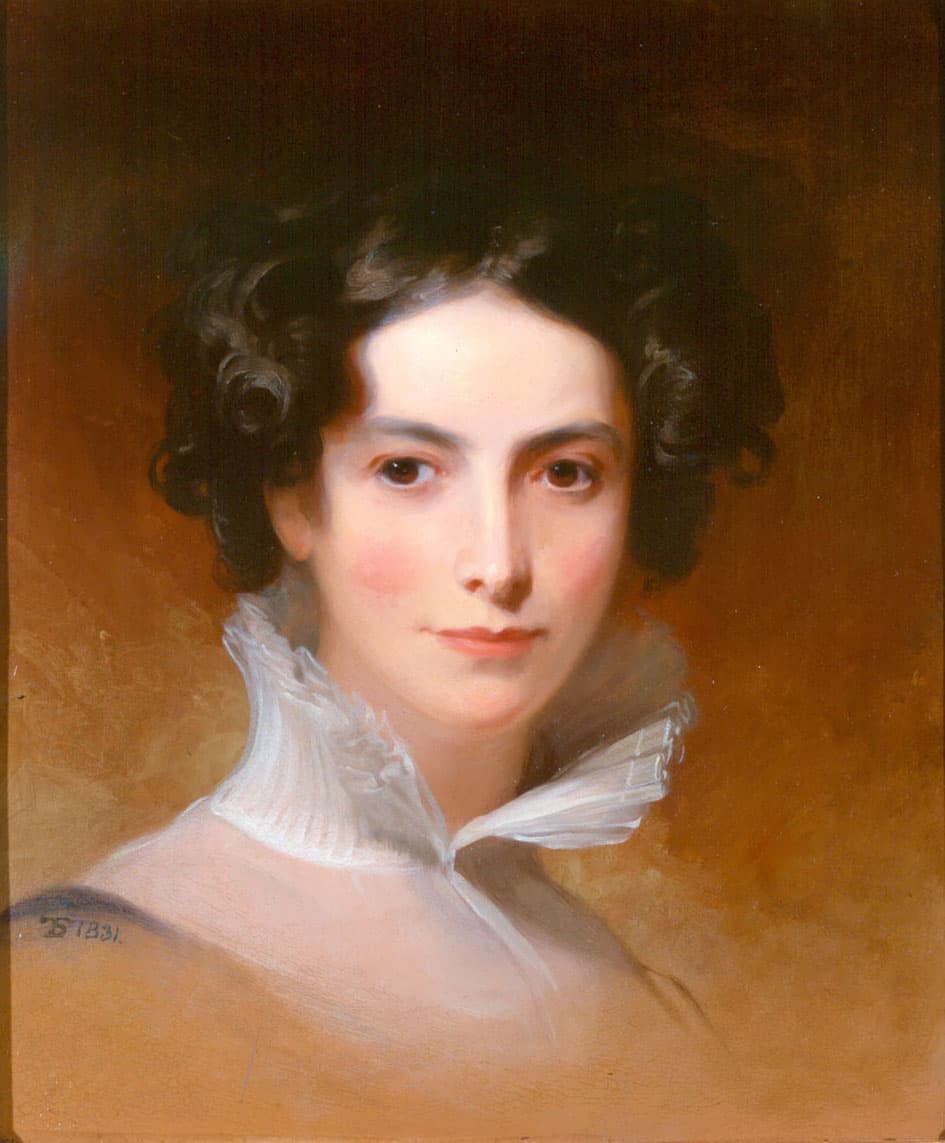
American · Activism · Literature
Rebecca Gratz
March 4, 1781 – August 27, 1869
Early Life and Background
Rebecca Gratz was born on March 4, 1781, in Lancaster, Pennsylvania, to a prominent Jewish family. Her father, Michael Gratz, was a successful merchant, and her mother, Miriam Simon Gratz, was known for her piety and charity. Rebecca was one of twelve children in the family, and she grew up in an environment that emphasized education and social responsibility.
The Gratz family relocated to Philadelphia when Rebecca was still young, a move that would greatly influence her future endeavors in community service and education. She was privately educated and exposed to both secular and religious teachings, which shaped her progressive views on social reform and the importance of education.
Career Beginnings and Development
In her early twenties, Gratz became deeply involved in charitable work, founding the first female-led charity in America, the Female Association for the Relief of Women and Children in Reduced Circumstances, in 1801. Her compassion and leadership quickly established her as a central figure in Philadelphia's social welfare initiatives.
Gratz recognized the importance of education in uplifting communities and improving social conditions, which motivated her to establish the first Jewish Sunday School in America in 1838. Her model combined religious education with moral and ethical teachings, underpinning her belief in accessible education.
Major Works, Discoveries, and Accomplishments
Rebecca Gratz's most notable achievement was founding the Jewish Sunday School movement, which provided Jewish children with religious and secular education. Her curriculum became a model adopted by congregations around the country, representing a significant stride in Jewish education in the United States.
Additionally, she co-founded the Philadelphia Orphan Asylum in 1815 and played a critical role in the operations of the Hebrew Sunday School Society, the country's first Jewish school of its kind.
Awards, Honors, and Recognition
During her lifetime, Gratz received widespread recognition for her philanthropic efforts. Although formal awards were rare during her era, her work inspired numerous contemporary and later tributes, including the establishment of Gratz College, one of America’s oldest and most respected Jewish institutions of higher learning.
Personal Life
Rebecca Gratz never married, dedicating her life to the care of her extended family and her community work. She remained closely connected to her family, nurturing relationships that inspired successive generations to continue her legacy of philanthropy.
Legacy and Historical Impact
Gratz's contributions to philanthropy and education have left an enduring impact on American Jewish society. Her efforts helped integrate Jewish traditions into broader American culture while maintaining the distinct identity of Jewish communities. Gratz’s influence is also noted in popular culture; she is believed to have inspired the character of Rebecca in Sir Walter Scott's novel "Ivanhoe."
Today, her legacy is a testament to the power of community service and education as transformative forces in society. Her model for Jewish Sunday Schools laid the groundwork for religious education programs across various faiths.
Later Life and Death
Rebecca Gratz continued her philanthropic work and involvement in educational reforms until her death on August 27, 1869, in Philadelphia. Her lifelong dedication to serving others and her pioneering spirit made her one of the most influential Jewish women in American history.
Dated achievements
2 indexed.
- Mar041781Activism
Rebecca Gratz was born
Rebecca Gratz was born on March 4, 1781, in Lancaster, Pennsylvania.
View details Jewish Virtual Library - Aug271869Activism
Rebecca Gratz passed away
Rebecca Gratz passed away on August 27, 1869, in Philadelphia.
View details