← All women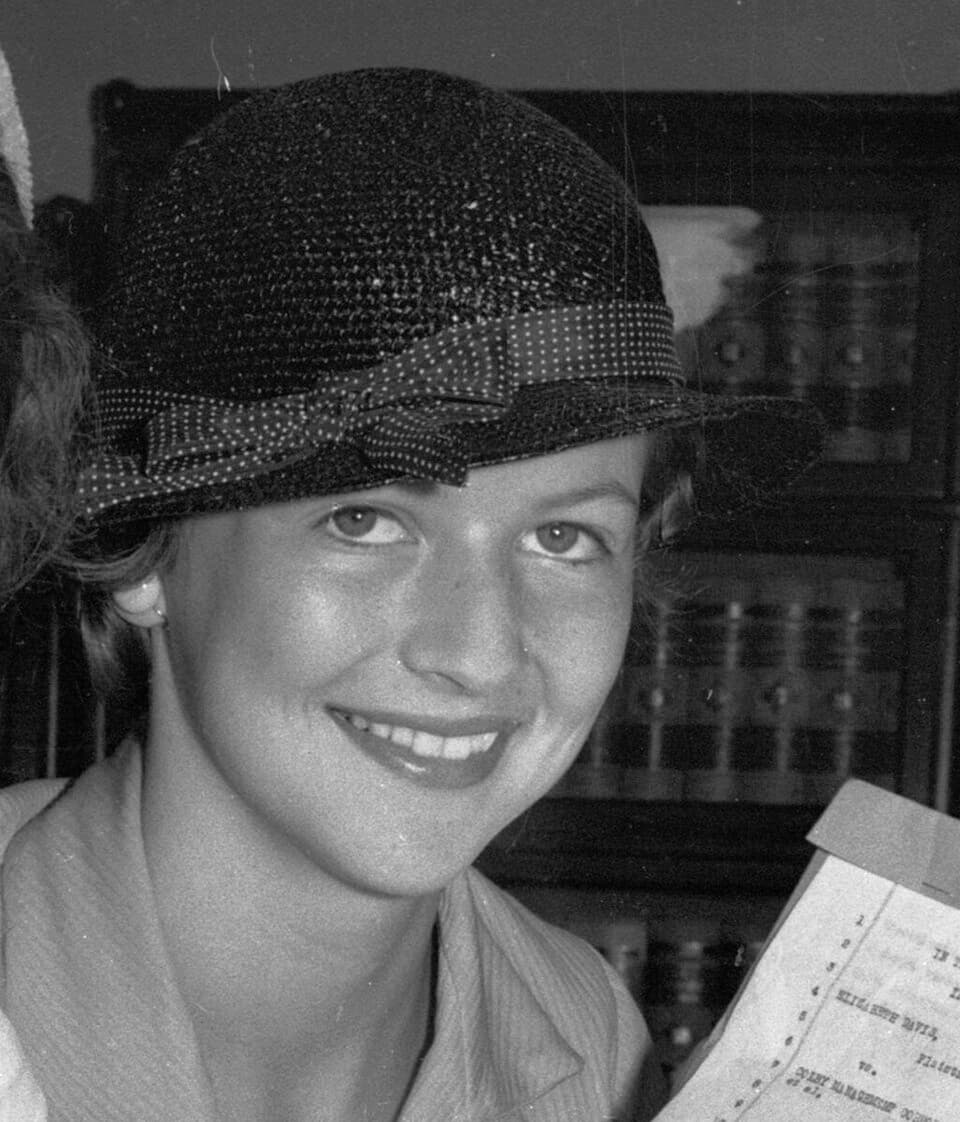
Canadian, American · Arts · Literature
Phyllis Fraser
March 13, 1917 – November 18, 2006
Early Life and Background
Phyllis Fraser was born on March 13, 1917, in Vancouver, British Columbia, Canada. Little is documented publicly about her immediate family or childhood, but like many young women drawn to the entertainment industry in the early 20th century, she eventually made her way to the United States to pursue a career in acting. Her Canadian origins place her among a long tradition of Canadian talent who found opportunity in the burgeoning American film industry during Hollywood's Golden Age.
Career Beginnings: Hollywood Actress
In the 1930s, Fraser worked as a contract actress, appearing in a number of films during the height of the studio system. She was affiliated with studios such as RKO Radio Pictures, appearing in various B-pictures and supporting roles typical of contract players of the era. While she did not achieve major stardom, her time in Hollywood gave her insight into the entertainment business and connections that would serve her well in her later career pivot into publishing. Her filmography, documented on outlets like IMDb, reflects the work of a journeyman actress navigating the competitive, often precarious world of studio contracts in the 1930s, a period when women in film frequently had limited creative control and were subject to the whims of studio executives.
Transition to Publishing and Marriage to Bennett Cerf
Fraser's life took a transformative turn when she married Bennett Cerf, the co-founder of Random House, one of America's most prominent publishing houses. Cerf was already a towering figure in American publishing, known for championing controversial and important literary works, including his legal victory that allowed the unrestricted publication of James Joyce's Ulysses in the United States. Their marriage placed Fraser at the center of New York's literary and social establishment.
Fraser did not remain a passive spouse in this world of letters; she became an active and creative force within Random House. Her most enduring legacy came through her role in the founding of Beginner Books, an imprint of Random House launched in 1957. Beginner Books was conceived as a way to publish engaging, simplified reading material for young children learning to read — a direct response to concerns in American education about children's literacy and the dullness of existing "primer" readers like the "Dick and Jane" series.
Beginner Books and Dr. Seuss
Phyllis Fraser worked closely with her husband Bennett Cerf and the author Theodor Geisel, known to the world as Dr. Seuss, to establish Beginner Books as a dedicated imprint. The trio's vision was to create books that were fun, imaginative, and used controlled, limited vocabularies so that young readers could gain confidence and joy in reading rather than being bored by rote practice. The most famous product of this collaboration was The Cat in the Hat (1957), which became an immediate sensation and fundamentally changed how publishers approached children's early-reading materials.
Fraser served in an editorial and executive capacity within Beginner Books, helping to guide its catalog, its authors, and its educational mission. Under the imprint, other beloved works emerged, including many additional Dr. Seuss titles and books by other acclaimed children's authors and illustrators. The imprint's success proved that children's literature could be both pedagogically effective and wildly entertaining, a philosophy that reshaped the American children's book market for decades to come. Fraser's contributions, though often overshadowed in public memory by the towering reputations of Cerf and Geisel, were substantive: she helped identify talent, shape editorial direction, and manage the practical business of turning an experimental idea into a publishing phenomenon that sold millions of copies and became embedded in American childhood culture.
Civic Life and Second Marriage
Following the end of her marriage to Bennett Cerf, Fraser married Robert F. Wagner Jr., the former Mayor of New York City who served three terms in that office from 1954 to 1965. As Wagner's wife, Fraser — now known as Phyllis Fraser Cerf Wagner — became a prominent figure in New York City's civic, philanthropic, and social circles. She was known for her charitable work and her engagement with cultural and educational causes in the city, continuing to draw on her background in publishing and the arts to support literacy and children's welfare initiatives throughout the latter decades of the 20th century.
Her position as a former mayor's wife placed her at many civic functions and charitable events, and she used this visibility to continue advocating for causes related to child development, education, and the arts — themes that had defined her professional life through Beginner Books.
Personal Life
Fraser's personal life intertwined closely with two of the most significant men in mid-20th-century American publishing and politics: Bennett Cerf, her first husband and publishing partner, and Robert F. Wagner Jr., her second husband and a major figure in New York City politics. Through these relationships, Fraser occupied a unique position bridging the worlds of literature, entertainment, and civic governance. She had children from her marriage to Cerf, including sons who continued in various professional pursuits, and she remained a respected figure in New York society throughout her life.
Legacy and Historical Impact
Phyllis Fraser's legacy rests most significantly on her role in co-founding Beginner Books, which permanently altered the landscape of children's literacy education in the United States. The imprint's emphasis on combining pedagogical rigor with genuine entertainment value set a template that children's publishers continue to follow. Works born from this initiative, especially those by Dr. Seuss, remain some of the best-selling and most beloved children's books in American history, having sold hundreds of millions of copies worldwide and having been translated into dozens of languages.
Beyond publishing, Fraser's life illustrates the versatility and adaptability many women of her generation displayed, moving fluidly between careers in entertainment, publishing, and civic philanthropy. While her Hollywood acting career was relatively modest, her later contributions to American children's literature and her civic engagement as a mayor's wife cemented her as a quietly influential figure in 20th-century American cultural history.
Later Life and Death
In her later years, Phyllis Fraser Cerf Wagner continued to reside in New York City, remaining connected to the literary and civic communities she had long been part of. She died on November 18, 2006, in New York City at the age of 89. Her death was marked by an obituary in The New York Times, which highlighted her multifaceted career — from Hollywood actress to publishing innovator to civic figure — underscoring the breadth of her contributions across several major American institutions and industries.
Her life remains a testament to the often under-recognized contributions women made behind the scenes of major cultural institutions during the mid-20th century, particularly in shaping how generations of American children learned to read and love books.
Dated achievements
2 indexed.
- Mar131917Science
Born in Vancouver, British Columbia
Phyllis Fraser was born on March 13, 1917, in Vancouver, British Columbia, Canada.
View details Phyllis Fraser - Wikipedia - Nov182006Science
Died in New York City
Phyllis Fraser Cerf Wagner died on November 18, 2006, in New York City at age 89.
View details