← All women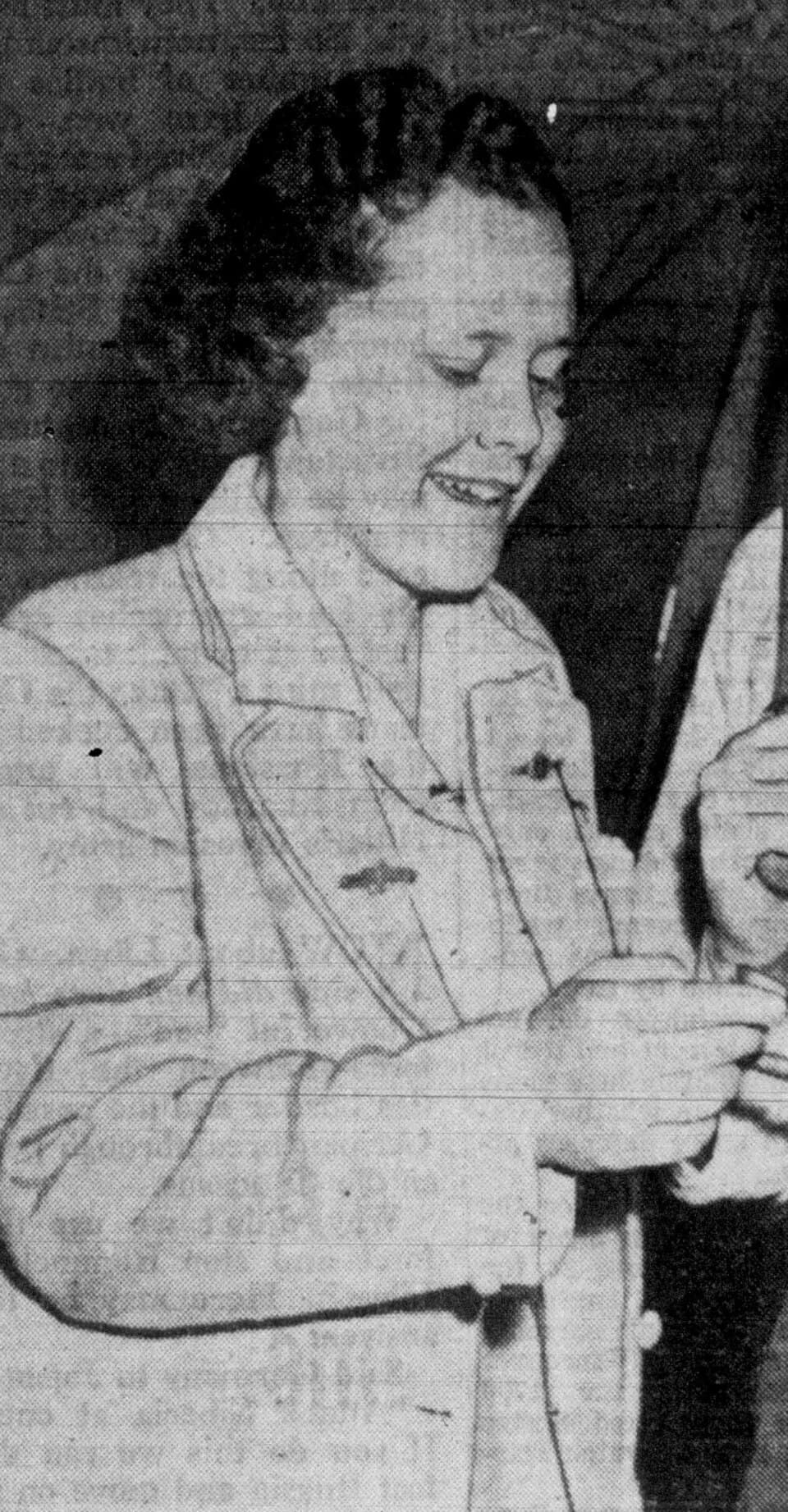
American · Sports
Patty Berg
February 13, 1918 – September 10, 2006
Early Life and Background
Patricia Jane Berg was born on February 13, 1918, in Minneapolis, Minnesota. She was the youngest of four children in her family. From an early age, Berg exhibited a keen interest in sports, initially engaging in tennis and softball. However, it wasn't until the age of 11 that she discovered golf. Her father, a successful crop dusting executive, introduced her to the game and played a pivotal role in nurturing her passion for it. Berg attended the University of Minnesota, but her education was cut short as she pursued a professional career in golf.
Career Beginnings and Development
Berg's proficiency in golf became evident at a young age. She won the Minneapolis City Championship at the age of 16, quickly marking her as a rising star. Her amateur career was stellar, culminating in a win at the 1938 U.S. Women's Amateur Championship. Despite the disruption of World War II, during which she served as a lieutenant in the United States Marine Corps, Berg's dedication to golf remained unwavering. In 1940, Berg turned professional, a crucial step that set the stage for her influential career in the sport.
Major Works, Discoveries, or Accomplishments
As a professional golfer, Berg's record was remarkable. She won a total of 15 major championships, setting a record in women's golf that stood for decades. Among her most notable victories were the inaugural Women's Western Open in 1937 and the U.S. Women's Open in 1946. Berg was known for her competitive spirit and sportsmanship, routinely displaying excellence and grace on the golf course.
In 1950, Berg became a founding member of the Ladies Professional Golf Association (LPGA), an organization dedicated to expanding opportunities for women in professional golf. Her leadership within the LPGA was instrumental, and she often took on roles that promoted the sport and supported emerging female golfers.
Awards, Honors, and Recognition
Throughout her career, Berg received numerous accolades, including being the leading money winner on the LPGA Tour. Her contributions to the sport were recognized with her induction into the World Golf Hall of Fame and the LPGA Hall of Fame. Berg’s charismatic presence and competitive success contributed significantly to the popularity of women's golf.
Personal Life
Despite her public presence, Berg maintained a private personal life, never marrying or having children. Her personal and professional lives were intertwined with her devotion to golf, which she described as a lifelong passion. Berg's commitment extended beyond playing, as she conducted thousands of clinics to teach and promote the sport.
Legacy and Historical Impact
Berg's legacy in golf is profound. She was pivotal in establishing women's professional golf as a respected and exciting sport. Her record of major championships won remains a hallmark of excellence. Berg’s promotion of the game extended beyond borders, as she represented not just individual success but the potential of women athletes globally.
Later Life and Death
After retiring from competitive play, Berg continued to contribute to the sport through motivational speaking and conducting golf clinics worldwide. She passed away on September 10, 2006, at the age of 88. Berg's death marked the loss of a golfing icon whose influence helped shape the game into what it is today.
Dated achievements
3 indexed.
- Feb131918Sports
Birth of Patty Berg in Minneapolis, Minnesota
Patricia Jane Berg was born on February 13, 1918, in Minneapolis, Minnesota, to Herman and Bella Berg.
View details Patty Berg - Wikipedia - Jan211950Sports
Co-founds the Ladies Professional Golf Association (LPGA)
Berg was a founding member of the LPGA in 1950 and served as its first president, helping establish women's professional golf in America.