← All women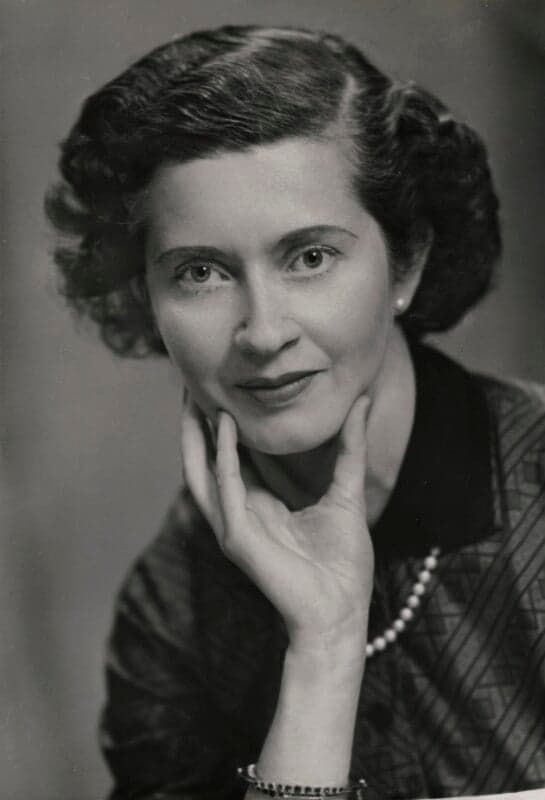
British · Politics
Patricia Ford
April 5, 1921 – October 31, 1995
Early Life and Background
Patricia Ford, born Patricia Smiles in London on April 5, 1921, was the daughter of Sir Malcolm Martin Macnaghten, KBE, a prominent barrister and politician, and Margery Macnaghten. Her upbringing was steeped in both affluence and public service, shaping her later career in politics. She completed her education at Benenden School, one of the leading independent boarding schools in England, known for nurturing young women for leadership and public duty.
Career Beginnings and Development
Ford's political journey began with her involvement in the Conservative Party in Northern Ireland. Her father’s role in politics, being an MP and a judge, undoubtedly influenced her decision to follow a similar path. Patricia took a keen interest in social issues, particularly those affecting women and families, which were to define her broader political platform.
Major Works, Discoveries, or Accomplishments
Patricia Ford achieved a significant career milestone when she was elected as the Ulster Unionist Member of Parliament for North Down on January 26, 1953, following the death of her father. Her election was historic as she became the first woman to be elected as an Ulster Unionist MP. In her tenure, she worked on issues pertaining to education, healthcare, and women's rights. Her political career in the House of Commons, though brief, lasting until 1955, was noteworthy for breaking gender barriers in a predominantly male political landscape.
Awards, Honors, and Recognition
Ford was recognized not only for her political work in the UK Parliament but also cherished within Northern Ireland for advocating on local issues pertinent to her constituents, including advancing educational policies and social welfare reforms.
Personal Life
In 1941, Patricia married Sir Michael Pakenham, with whom she had four children. Her family life was described as supportive and integral to her success, providing a strong network that allowed her balancing act between home and her public duties.
Legacy and Historical Impact
Patricia Ford is remembered as a trailblazer for women in Northern Irish politics. Her electoral success inspired successive generations of women to seek political office, challenging societal and political conventions of her time. Despite serving a singular term, her reflection of capability and determination stood as a testament to women's roles in public service.
Later Life and Death
After retiring from active politics, Ford continued to involve herself in community services and social causes until her passing on October 31, 1995. Her legacy endured not only through her family but through the barriers she broke for women in politics.
Dated achievements
2 indexed.
- Apr051921Politics
Born in London
Patricia Ford was born on April 5, 1921, in London, England.
View details New Ulster Biography - Patricia Ford - Jan261953Politics
Elected as MP for North Down
Patricia Ford became the first woman Ulster Unionist MP on January 26, 1953.
View details