← All women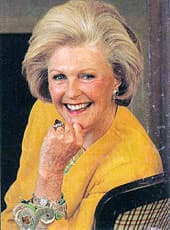
British, American · Politics
Pamela Harriman
March 20, 1920 – February 5, 1997
Early Life and Background
Pamela Beryl Digby was born on March 20, 1920, in Farnborough, Hampshire, England. She was the eldest daughter of Edward Digby, 11th Baron Digby, and his wife, Constance Pamela Alice. Raised in the aristocratic circles of England, Pamela received her early education at home, reflecting the customs of her social class during that era. As a young woman, she was introduced to European society and quickly became known for her vivacious personality and charm.
Career Beginnings and Development
Pamela's initial claim to fame was her marriage to Randolph Churchill, the son of Winston Churchill, in 1939. Throughout World War II, she worked as a manager in the Whips' Office in the House of Commons and gained a reputation for her political savvy. After her divorce from Randolph, she lived in Paris and became a prominent figure in high society, forming connections with influential figures across business, media, and the arts.
Major Works, Discoveries, or Accomplishments
Harriman's most significant contributions began when she moved to the United States and entered the world of politics. She was instrumental in fundraising for the Democratic Party, earning her a prominent role in the party's circuits. Her astute political sense and social prowess culminated in her appointment as the United States Ambassador to France by President Bill Clinton in 1993. Her tenure was marked by strengthening Franco-American relations and fostering economic ties.
Awards, Honors, and Recognition
During her time as ambassador, Harriman's diplomatic efforts in France were highly praised by both American and French officials. She received accolades for her dedication to fostering international collaborations, although specific awards are less frequently documented in the records of official honors given to her.
Personal Life
Harriman's personal life was characterized by several high-profile marriages and relationships. After divorcing Randolph Churchill, she married producer Leland Hayward in 1960 and later, in 1971, Averell Harriman, a prominent diplomat and former Governor of New York. Her marriages linked her to powerful circles, with her home often serving as a gathering spot for Washington D.C.'s political elite.
Legacy and Historical Impact
Pamela Harriman's legacy is enshrined in her role as a political influencer, especially known for her ability to wield social gatherings as a platform for political confrontation and negotiation. She broke barriers for women in diplomacy, leveraging her social acumen to become a formidable figure in American politics.
Later Life and Death
In her later years, Harriman continued to influence American politics through her advisory roles and fundraising efforts until her sudden death on February 5, 1997, in Paris, France. Her passing marked the end of an era defined by her unique blend of aristocratic grace and sharp political insight.
Dated achievements
5 indexed.
- Mar201920Science
Born Pamela Beryl Digby in Farnborough, England
Pamela Beryl Digby was born on March 20, 1920, in Farnborough, Hampshire, England, into an aristocratic family, the Barons Digby.
View details Wikipedia: Pamela Harriman - Oct041939Politics
Married Randolph Churchill, becoming daughter-in-law of Winston Churchill
Pamela Digby married Randolph Churchill on October 4, 1939, becoming Winston Churchill's daughter-in-law and entering the heart of wartime British power.