← All women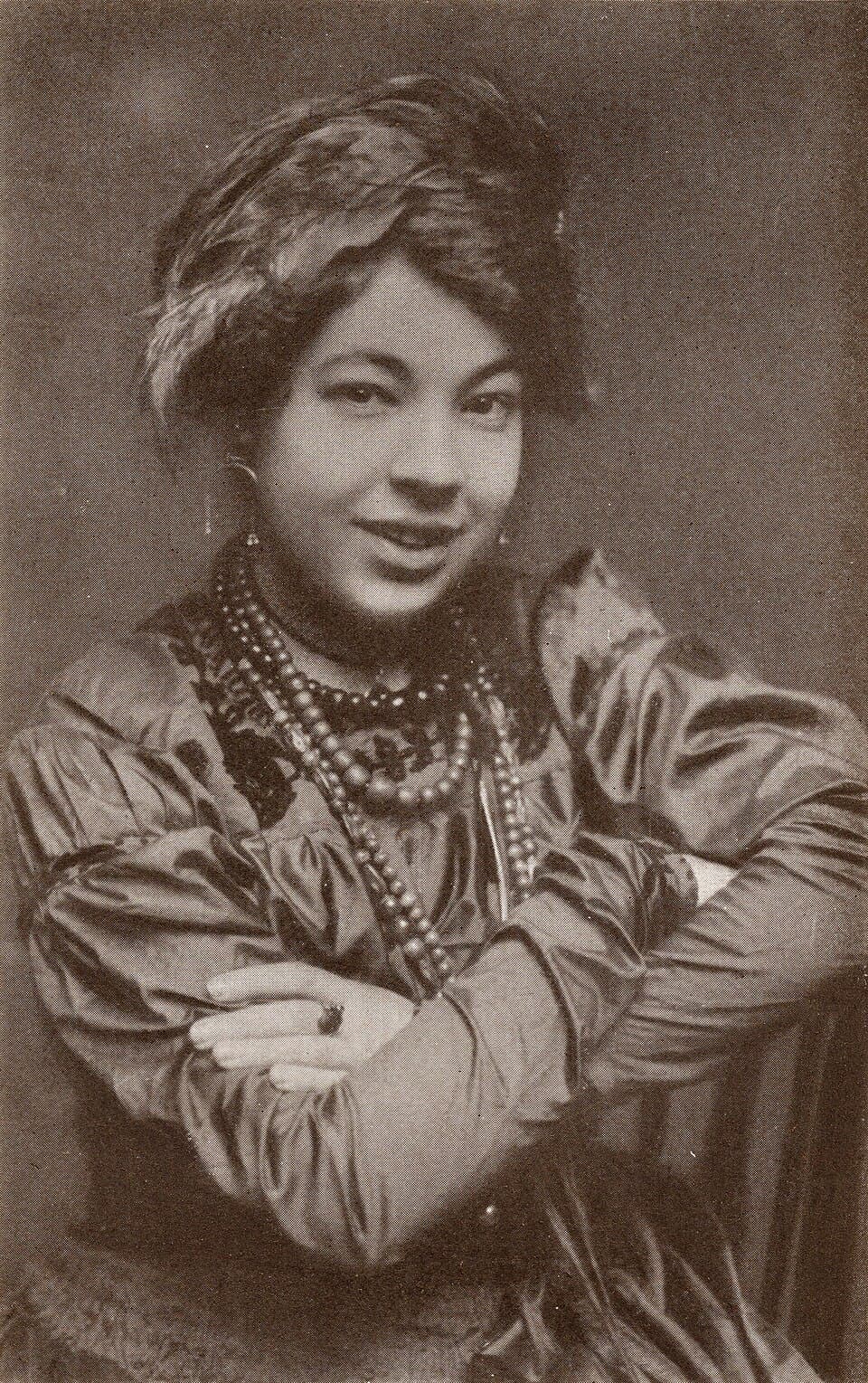
British, American · Arts · Literature
Pamela Colman Smith
February 16, 1878 – September 18, 1951
Early Life and Background
Pamela Colman Smith was born on February 16, 1878, in Pimlico, London, England. The daughter of an American father and Jamaican mother, Smith's early upbringing was rich in cultural diversity, deeply influencing her artistic perspective. After spending considerable time in Jamaica during her childhood, she moved to New York City, where her father served as a business representative.
Smith enrolled at the Pratt Institute in Brooklyn at the age of 15. Under the tutelage of renowned educator and artist Arthur Wesley Dow, she developed her skills in design and illustration. Though she left without completing her degree, her education at Pratt greatly impacted her artistic career.
Career Beginnings and Development
After her time at Pratt, Smith worked as an illustrator for magazines and books, contributing to publications like The Broad Sheet by W. T. Stead. Her work was known for its vivid creativity and whimsical style. In the early 1900s, she returned to England, where she joined the Golden Dawn, a secret society devoted to the study of the occult, which connected her with influential esoteric figures.
Major Works, Achievements, and Contributions
Smith's most enduring legacy is her 1909 collaboration with Arthur Edward Waite, leading to the creation of the Rider-Waite tarot deck, one of the world's most popular and enduring tarot designs. The deck's striking illustrations transformed the tarot tradition, offering imagery rich with symbolism and narrative content, unprecedented for its time.
Beyond tarot, Smith produced numerous illustrations and paintings, notably drawing inspiration from Jamaican folklore, and published her own art and writings through the literary and artistic journal, Green Sheaf.
Awards, Honors, and Recognition
While Smith's work was often overshadowed by her male contemporaries, recognition for her immense contributions to both the arts and mysticism has grown posthumously. Her tarot illustrations particularly have been acclaimed for their depth and lasting influence on modern tarot usage.
Personal Life
Smith was known for her vibrant, bohemian lifestyle. Though she never married, she surrounded herself with influential friends from the literary and artistic circles. She formed deep friendships with notable figures of her time, including poet W. B. Yeats, who admired her work.
Legacy and Historical Impact
The Rider-Waite tarot deck remains a significant cultural artifact, still widely used and continuously studied for its esoteric and artistic value. Smith's work paved the way for future female artists in the tarot tradition and the broader mystical community.
Later Life and Death
Smith's later years were marked by financial difficulties. Despite the widespread use of her tarot deck, she received little financial compensation for her work. She died on September 18, 1951, in Bude, Cornwall, largely unrecognized during her lifetime. However, in the years that followed, her work achieved the recognition it deserved, cementing her place as a pivotal figure in the history of tarot art.
Dated achievements
1 indexed.
- Feb161878Arts
Birth of Pamela Colman Smith
Pamela Colman Smith was born on February 16, 1878, in Pimlico, London, England.
View details Wikipedia