← All women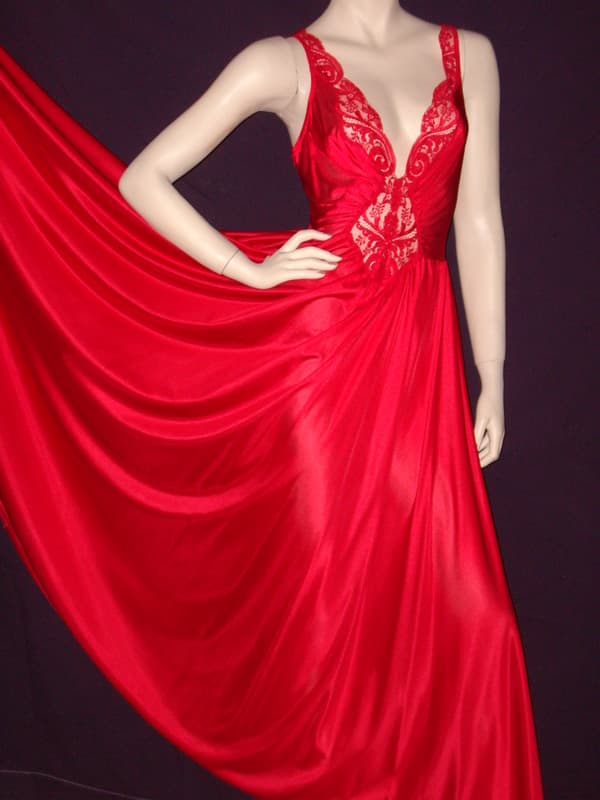
Polish, American · Arts
Olga Erteszek
August 15, 1916 – September 15, 1989
Early Life and Background
Olga Erteszek (née Bax) was born in Poland in 1916, though some sources place her birth year slightly differently due to inconsistent record-keeping during the tumultuous period between the World Wars. She grew up in a Poland that was rebuilding its national identity after regaining independence in 1918, and her early education instilled in her a strong sense of discipline, artistry, and resourcefulness — traits that would come to define her later career as a designer and entrepreneur. Details of her childhood remain relatively sparse in the historical record, as much of her documented biography focuses on her adult career in the United States, but family accounts and later interviews with her daughter Christina Erteszek suggest that Olga received training or exposure to garment-making and design principles in Europe before emigrating.
Olga met Jan Erteszek, a fellow Pole, and the two would eventually marry. Their personal partnership evolved into one of the most significant business partnerships in American apparel manufacturing history. The couple fled Europe amid the upheavals of the 1930s and the encroaching threat of World War II, eventually finding their way to the United States, where they settled in Southern California — a region that would soon become a hub for apparel manufacturing and design innovation.
Career Beginnings and the Founding of The Olga Company
In 1946, Olga and Jan Erteszek founded what would become The Olga Company, a lingerie and intimate apparel manufacturer based in Los Angeles, California. The company began modestly, reportedly operating out of the couple's garage or a small workshop, with Olga serving as the creative and design force while Jan managed the business and operational side. This division of labor — Olga's artistic vision paired with Jan's business acumen — became the hallmark of the company's rapid growth throughout the postwar decades.
Olga's design philosophy centered on combining comfort, functionality, and beauty in women's undergarments at a time when the American intimate apparel industry was still dominated by rigid, uncomfortable, and utilitarian designs left over from the wartime era. She sought to create garments that celebrated femininity while providing genuine physical comfort — a revolutionary concept for the time. Her signature aesthetic included delicate floral prints, soft pastel colors, and innovative seamless construction techniques that eliminated the bulky seams and rigid boning common in earlier foundation garments.
Major Accomplishments and Innovations
Under Olga's design leadership, The Olga Company grew into one of the largest and most respected lingerie manufacturers in the United States by the 1960s and 1970s. She is credited with numerous design patents related to bra construction, particularly innovations in seamless cup design and stretch-fabric engineering that improved fit and comfort for wearers of diverse body types. Her designs anticipated later industry trends toward "second skin" intimate apparel that prioritized natural movement and all-day wearability.
The company's product lines expanded beyond basic undergarments to include loungewear, nightgowns, and later, some of the earliest mass-market sports bras — an innovation that placed The Olga Company at the forefront of functional women's activewear before the category had fully emerged as a distinct market segment. This early foray into performance-oriented intimate apparel would later be highlighted by successor companies (including Olga's daughter Christina's later ventures) as a pioneering contribution to women's athletic apparel.
Olga was known within the company and the broader apparel industry for her hands-on approach to design, often personally draping and fitting prototype garments on live models to ensure both aesthetic appeal and physical comfort. She held the title of chief designer for the company for over four decades, a remarkably long and stable creative tenure in an industry known for rapid turnover and shifting trends.
Awards, Honors, and Industry Recognition
While detailed records of formal awards are limited, Olga Erteszek's professional legacy was cemented through the commercial and cultural success of The Olga Company itself, which became a household name across America. The brand's garments were sold in major department stores nationwide and became closely associated with quality, comfort, and tasteful femininity in American consumer culture during the mid-to-late twentieth century. Her patents and design innovations represent a significant, if under-documented, contribution to the technical history of intimate apparel manufacturing.
In recent years, renewed scholarly and journalistic attention has been paid to Olga's legacy, including a 2022 book examination of her life and career titled referencing her as "the first lady of underfashions," reflecting a growing recognition of her importance in the history of American fashion manufacturing and women's entrepreneurship.
Personal Life
Olga was married to Jan Erteszek, with whom she built both a life and a business empire after emigrating from Poland. The couple had children, including their daughter Christina Erteszek, who would later become a designer and entrepreneur in her own right, carrying forward elements of her mother's design philosophy into new ventures, including modern activewear and sports bra innovations. Christina has spoken publicly and written extensively about her mother's influence, describing Olga as a demanding but deeply creative and visionary figure whose perfectionism drove the company's success.
The Erteszek family's story is emblematic of the broader immigrant experience in postwar America — refugees and emigres from war-torn Europe who rebuilt their lives and achieved significant commercial and creative success through hard work, innovation, and mutual partnership. Olga and Jan's marriage was both a personal and professional partnership that lasted for decades.
Legacy and Historical Impact
Olga Erteszek's legacy endures in several dimensions. As a businesswoman, she helped build one of the most successful and enduring American lingerie brands of the twentieth century, at a time when women's leadership in manufacturing and design was far less common and often unrecognized. As a designer, she contributed genuine technical innovations to the construction of women's undergarments, prioritizing comfort and natural movement in ways that anticipated later industry-wide trends.
Her influence is also carried forward through her daughter Christina, who has worked to preserve and document The Olga Company's design archive, including through gallery exhibitions and published retrospectives of the brand's history. These efforts have helped ensure that Olga's contributions to fashion history are not forgotten, situating her within a broader narrative of women designers and entrepreneurs who shaped American consumer culture in the postwar decades.
Later Life and Death
Olga Erteszek continued her work with The Olga Company into her later years, maintaining an active role in design even as the company grew into a major national brand. She died on September 15, 1989, at her home in Beverly Hills, California, at the age of 73. Her death was noted in obituaries published by The New York Times and the Los Angeles Times, both of which recognized her as the founder and chief designer of a major American lingerie firm. Her passing marked the end of a remarkable career that spanned more than four decades and helped define an entire industry.
Dated achievements
2 indexed.
- Aug151916Arts
Birth of Olga Erteszek
Olga Erteszek was born in Poland on August 15, 1916.
View details Wikipedia - Olga Erteszek - Sep151989