← All women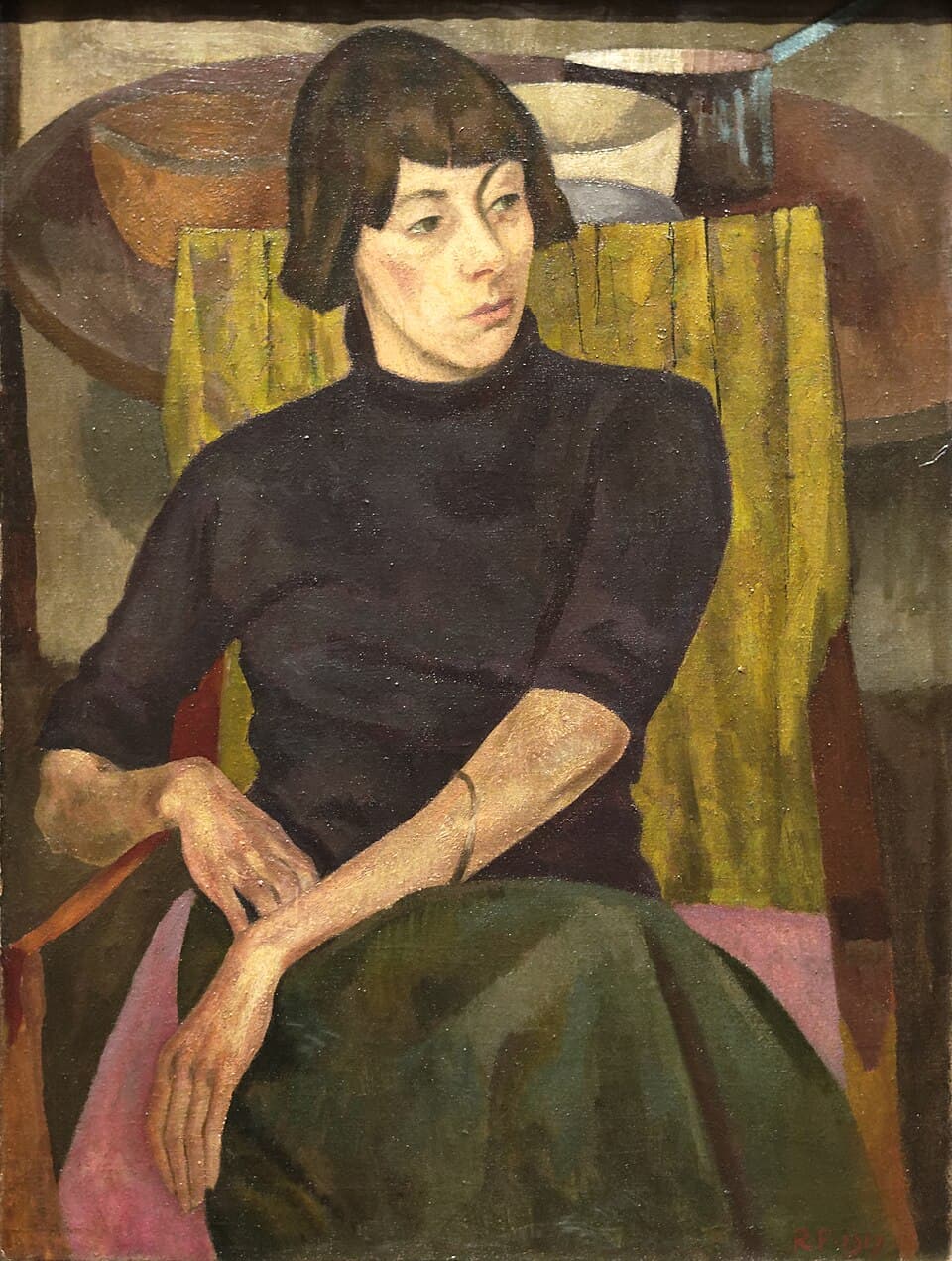
British · Arts
Nina Hamnett
February 14, 1890 – December 16, 1956
Early Life and Background
Nina Hamnett was born on 14 February 1890 in the small town of Tenby, Wales. Her family was relatively modest, and from a young age, Hamnett showed an interest in the arts, leading her to study at the Royal College of Art in London. Her formative years were marked by an exposure to the burgeoning artistic movements of the 20th century, fueling her Bohemian aspirations.
Career Beginnings and Development
Hamnett's career began against the backdrop of a world on the brink of modernist revolution. She moved to Paris in 1914, where she became deeply embedded in the avant-garde scene. Influenced by modernist giants like Pablo Picasso, Hamnett worked both as an artist and a muse. Her mediums included painting, drawing, and design, and she quickly became known for her portraits of fellow artists and cultural figures.
Major Works, Discoveries, and Accomplishments
One of Nina Hamnett's most celebrated works was her portraiture which often conveyed an intimate and personal perspective of the subject. During her time in Paris, she created a series of works that displayed her evolving style influenced by Cubism and Fauvism. She gained immense recognition for her portraits of contemporaries and figures from the literary and artistic circles.
Her memoir, "Laughing Torso" published in 1932, was both a reflection of her life and an historical account of the bohemian lifestyle in Paris and London. The book's candid depiction of the era won her acclaim and controversy as it challenged conventions and detailed her personal experiences among the modernist elite.
Personal Life
Throughout her life, Hamnett's personal and professional circles intersected with notable figures such as Modigliani, Picasso, and Ezra Pound. Her relationships were often characterized by their intensity and involvement in the creative processes around them. She never married but was romantically linked to many prominent figures of her time.
Legacy and Historical Impact
Hamnett contributed significantly to the cultural fabric of early 20th-century art. Her vivacity and talent solidified her as a muse and creator within the Bohemian world. Despite struggles with alcohol addiction later in life, which affected her career and health, her earlier works remained influential and symbolized the height of the modernist movement. She remains an important figure in the history of British art for her bold personality and her efforts to document the rich cultural life of her generation.
Later Life and Death
In her later years, Hamnett faced personal and financial decline, exacerbated by her alcohol dependency. Tragically, she died on 16 December 1956 from complications after falling from her apartment window in London. Her death marked the end of an era, but her artistic works continue to be celebrated for their vigor and insight into one of the most transformative periods in art history.
Dated achievements
2 indexed.
- Feb141890Arts
Born in Tenby, Wales
Nina Hamnett was born on 14 February 1890 in Tenby, Pembrokeshire, Wales, into a middle-class military family.
View details Nina Hamnett - Wikipedia - Dec161956Arts
Death in London following a fall
Nina Hamnett died on 16 December 1956 in London after falling from her flat window, impaled on railings below; her death was ruled misadventure.