← All women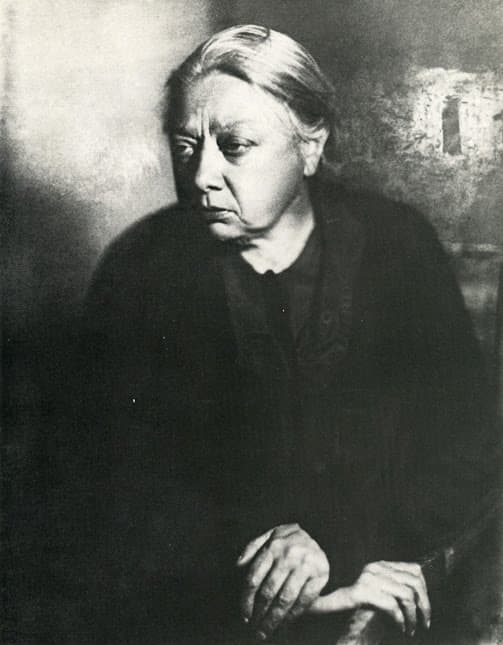
Russian · Politics · Activism · Literature
Nadezhda Krupskaya
February 26, 1869 – February 27, 1939
Early Life and Background
Nadezhda Konstantinovna Krupskaya was born on February 26, 1869, in Saint Petersburg, Russia. She was born into a noble family; her father was a Russian Army officer with liberal beliefs, and her mother, an educated woman, was instrumental in shaping Krupskaya's early views. Her upbringing in a politically conscious household fostered her early interest in social justice and education.
Krupskaya excelled academically and pursued education at the prestigious Women’s Best Courses in Saint Petersburg. Her early exposure to radical circles in Saint Petersburg influenced her revolutionary ideals and activism.
Career Beginnings and Development
During the 1890s, Krupskaya became involved in Marxist circles, which increasingly influenced her perspective on social reform in Russia. By 1896, she was engaged in underground revolutionary activities, which led to her arrest and subsequent exile to Siberia.
Major Works, Discoveries, and Accomplishments
Nadezhda Krupskaya's major contributions were primarily in education and the women's movement. She tirelessly worked towards reforming the Russian education system, emphasizing the importance of literacy and libraries. After the Bolshevik Revolution, Krupskaya was pivotal in promoting educational reforms in Soviet Russia.
Krupskaya was appointed Deputy Head of the People's Commissariat for Education in the Soviet government, where she championed for the education of women and children, spearheading literacy campaigns across the nation. Her advocacy led to the establishment of public libraries and influenced Soviet educational policies profoundly.
Personal Life
In 1898, while in Siberian exile, Krupskaya married Vladimir Lenin, a significant leader in the Bolshevik movement and later the head of Soviet Russia. Their relationship was not only romantic but deeply intellectual, with both sharing similar ideological and political goals.
Legacy and Historical Impact
Krupskaya's impact on Soviet education remains a cornerstone of her legacy. Her dedication to enhancing literacy and promoting educational opportunities contributed greatly to the Soviet Union's intellectual development. She is remembered as a pioneering female activist who balanced her role in the revolutionary government with her work and ideals for education.
Later Life and Death
After Lenin's death in 1924, Krupskaya continued her work in education, although she faced political marginalization. Despite this, she remained an influential figure in the realms of education and Marxist feminist thought.
She died on February 27, 1939, in Moscow, Russia. Her contributions to both politics and education were honored posthumously, with several institutions and libraries bearing her name across Russia.
Dated achievements
2 indexed.
- Feb261869Politics
Birth of Nadezhda Krupskaya
Nadezhda Krupskaya was born on February 26, 1869, in Saint Petersburg, Russia.
View details Nadezhda Konstantinovna Krupskaya | Britannica - Feb271939