← All women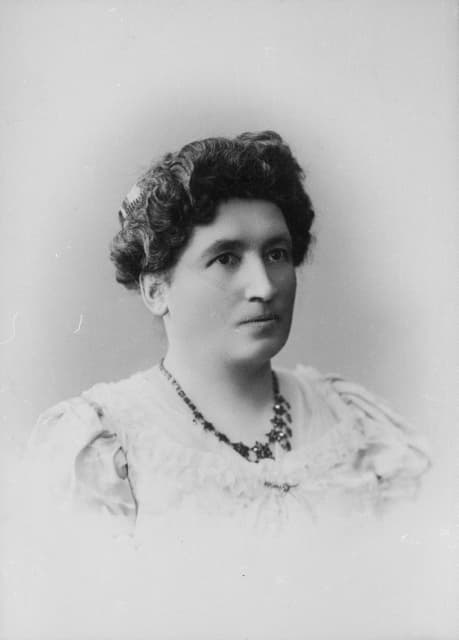
Estonian · Arts
Miina Härma
February 9, 1864 – November 16, 1941
Early Life and Background
Miina Härma was born on February 9, 1864, in Kõrveküla, which was part of the Livonian Governorate in the Russian Empire (now Estonia). She was raised in a musical family; her father was a parish clerk and organist. This early exposure to music had a profound influence on her, fostering her passion for music from a young age.
Showing a natural talent, Miina pursued formal studies in music and was one of the first Estonian women to receive professional musical education abroad. She studied at the Saint Petersburg Conservatory, where she honed her skills in composition and conducting.
Career Beginnings and Development
Miina Härma began her career as an organist in Tartu and later taught singing and music theory. Her pioneering spirit was evident as she composed music in her native Estonian, a first during a time when German dominance overshadowed local cultural expressions.
Despite societal constraints on women, she achieved prominence and led choirs in Estonia, significantly contributing to the burgeoning national choral tradition.
Major Works, Discoveries, and Accomplishments
Härma published her first piece, "Ei saa mitte vaiki olla" (I Cannot Stay Silent), in 1899, marking her as the first Estonian woman to publish music. Her compositions often reflected Estonian national themes and were influential in the early 20th century. She composed over 200 choral works, which became staples in national song festivals.
Awards, Honors, and Recognition
Miina Härma was highly celebrated in Estonia, receiving recognition for her contributions to national music. Her legacy was cemented with the Miina Härma Gymnasium in Tartu being named in her honor.
Legacy and Historical Impact
Miina Härma was a monumental figure in Estonian music, laying the groundwork for the country's choral traditions. Her advocacy for music in the Estonian language and dedication to choral music influenced generations of musicians and contributed to the cultural independence of Estonia.
Later Life and Death
Härma continued her work in music until her later years, living through significant historical changes in Estonia. She died on November 16, 1941, in Tartu, Estonia. Her legacy continues to inspire, with numerous institutions named in her honor and a lasting influence on Estonian culture.
Dated achievements
2 indexed.
- Feb091864Arts
Birth of Miina Härma
Miina Härma was born in Kõrveküla on February 9, 1864.
View details Miina Härma - Wikipedia - Nov161941