← All women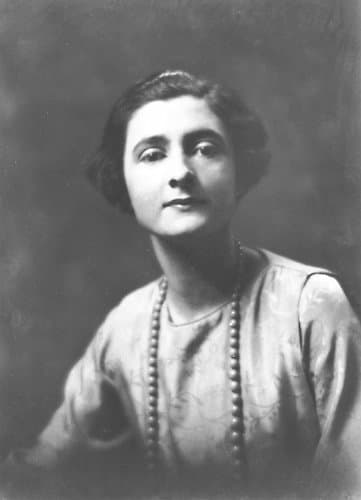
American · Arts · Literature
Mercedes de Acosta
March 1, 1893 – May 9, 1968
Early Life and Background
Mercedes de Acosta was born on March 1, 1893, in New York City to a wealthy Cuban-Spanish family. Her parents were Ricardo de Acosta and Micaela Hernandez de Alba y de Alba, who were well-connected socially and financially, exposing Mercedes to influential personalities and artists from a young age. She was educated in private schools in New York and Europe, which fostered her early interest in arts and literature.
Career Beginnings and Development
De Acosta began her career as a writer in the early 20th century, authoring poetry, plays, and screenplays. Her works reflected her avant-garde style and often featured strong, independent female characters. She also wrote novels and controversial autobiographies, most notably "Here Lies the Heart," which alluded to her intimate relationships with various Hollywood starlets and literary figures.
Major Works and Accomplishments
Mercedes de Acosta is best remembered today for her strong, poetic voice and plays such as "Jeanne d'Arc" and "Ends of a Dynasty." She also worked as a screenwriter for major film studios, where she adapted plays and novels for the screen. Her work often pushed social boundaries and contributed to the modernist movements within literature and the arts during her time.
Personal Life
De Acosta was openly lesbian and known for her romantic relationships with several prominent women, including actress Greta Garbo, who was one of her most significant and enduring relationships, lasting over two decades. Her autobiography provides insights into the Hollywood elite's personal lives and the challenges of same-sex relationships in the early mid-20th century.
Legacy and Historical Impact
Mercedes de Acosta holds a significant place in LGBT history as one of the early openly gay women in the arts. Her courage to live and love openly inspired many, and her writings on her relationships with powerful women of her time opened dialogues about love, sexuality, and gender identity long before they became part of the mainstream discourse. Her works and personal life reflect the struggles and triumphs in the pursuit of authenticity and creativity, influencing future generations of artists and writers.
Later Life and Death
In her later years, de Acosta became reclusive, partly due to health issues and a strained financial situation. She died on May 9, 1968, in New York City. Despite fading from the public eye toward the end of her life, her contributions to literature and her role as a cultural icon of LGBT history continue to be celebrated.
Dated achievements
2 indexed.
- Mar011893Science
Birth of Mercedes de Acosta in New York City
Mercedes de Acosta was born in New York City to a wealthy Spanish-Cuban émigré family, the youngest of eight children.
View details Wikipedia - Mercedes de Acosta - May091968Science
Death of Mercedes de Acosta in New York City
Mercedes de Acosta died on May 9, 1968, in New York City after a long illness, having outlived much of her fame and fortune.