← All women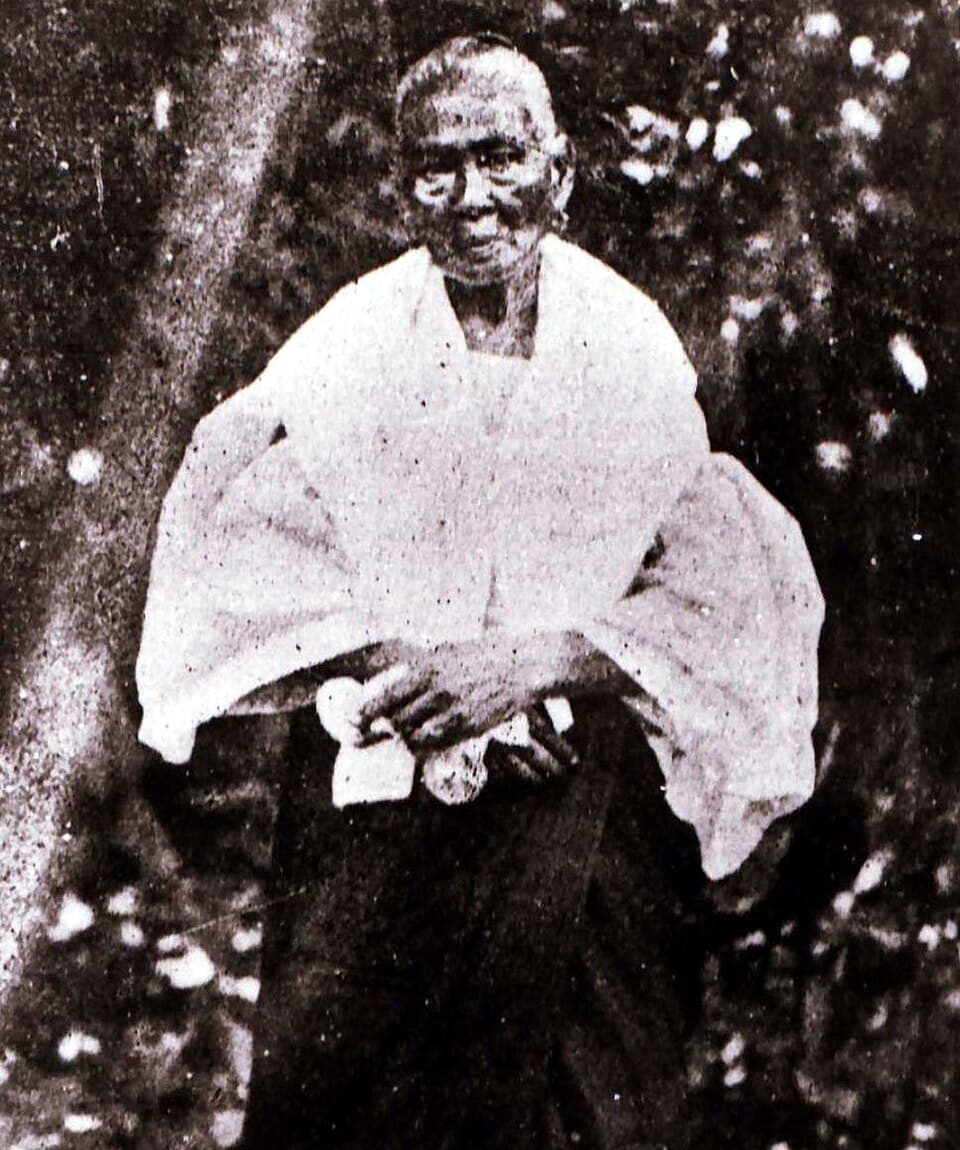
Filipino · Activism
Melchora Aquino
January 6, 1812 – February 19, 1919
Early Life and Background
Melchora Aquino was born on January 6, 1812, in Caloocan, a district of Manila in the Philippines, to Juan Aquino and Valentina de Aquino. Her parents were farmers, and she grew up assisting them on their farm. Aquino received no formal education but was literate, having taught herself to read and write. She was deeply influenced by the revolutionary ideals of her time, which resided in the collective consciousness of the Filipino people under Spanish colonial rule.
Involvement in the Philippine Revolution
Despite her advancing age, Aquino played a pivotal role during the late 19th-century Philippine Revolution against Spanish colonization. In 1896, as the Philippine revolution gained momentum, she opened her home to revolutionaries, offering refuge and nursing wounded soldiers. Known as 'Tandang Sora' (Elder Sora), her contributions were both material and spiritual, providing strength and encouragement. Her house became a strategic gathering point for the rebels, subsequently labeled the 'Mother of the Revolution.'
Major Contributions and Legacy
Melchora's activism and humanitarian work during the revolution were profound. Her efforts included organizing the acquisition of food and supplies for the troops. Despite being captured by Spanish forces in 1896 and subjected to interrogation, she remained steadfast in her support for the Katipunan movement. She was exiled to Guam but returned to the Philippines after the sovereignty over the islands was transferred to the United States in 1898.
Awards and Recognition
Though Aquino did not receive formal awards in her lifetime, her legacy is celebrated in the Philippines. Numerous schools, streets, and awards have been named in her honor, highlighting her contribution to the country's freedom. Posthumously, her role has been heralded widely, affirming her reputation as a national hero.
Personal Life
Melchora married Fulgencio Ramos, a fellow farmer, with whom she had six children. Widowed early, she took over the responsibility of raising her children and managing the family farm. Her personal sacrifices reflected her strong character, and her family continued her legacy of service and courage.
Legacy and Historical Impact
Aquino's life exemplifies the power of grassroots participation in political movements. Her bravery in the face of colonial oppression and her humanitarian actions for the Filipino revolutionaries earned her a cherished place in Philippine history. She is immortalized in literature, history books, and continues to symbolize national pride.
Later Life and Death
Living a long life into the early years of American colonization, Melchora Aquino died on February 19, 1919, at the age of 107. Her life spanned significant transitional periods in Philippine history, from the Spanish colonial period into the American era. Her enduring legacy continues to influence generations, as a symbol of courage and maternal care in the liberation struggle.
Dated achievements
2 indexed.
- Jan061812Activism
Birth of Melchora Aquino
Melchora Aquino was born on January 6, 1812, in Caloocan, Philippines.
View details Wikipedia - Melchora Aquino - Feb191919Activism
Death of Melchora Aquino
Melchora Aquino passed away at the age of 107 on February 19, 1919, in the Philippines.
View details