← All women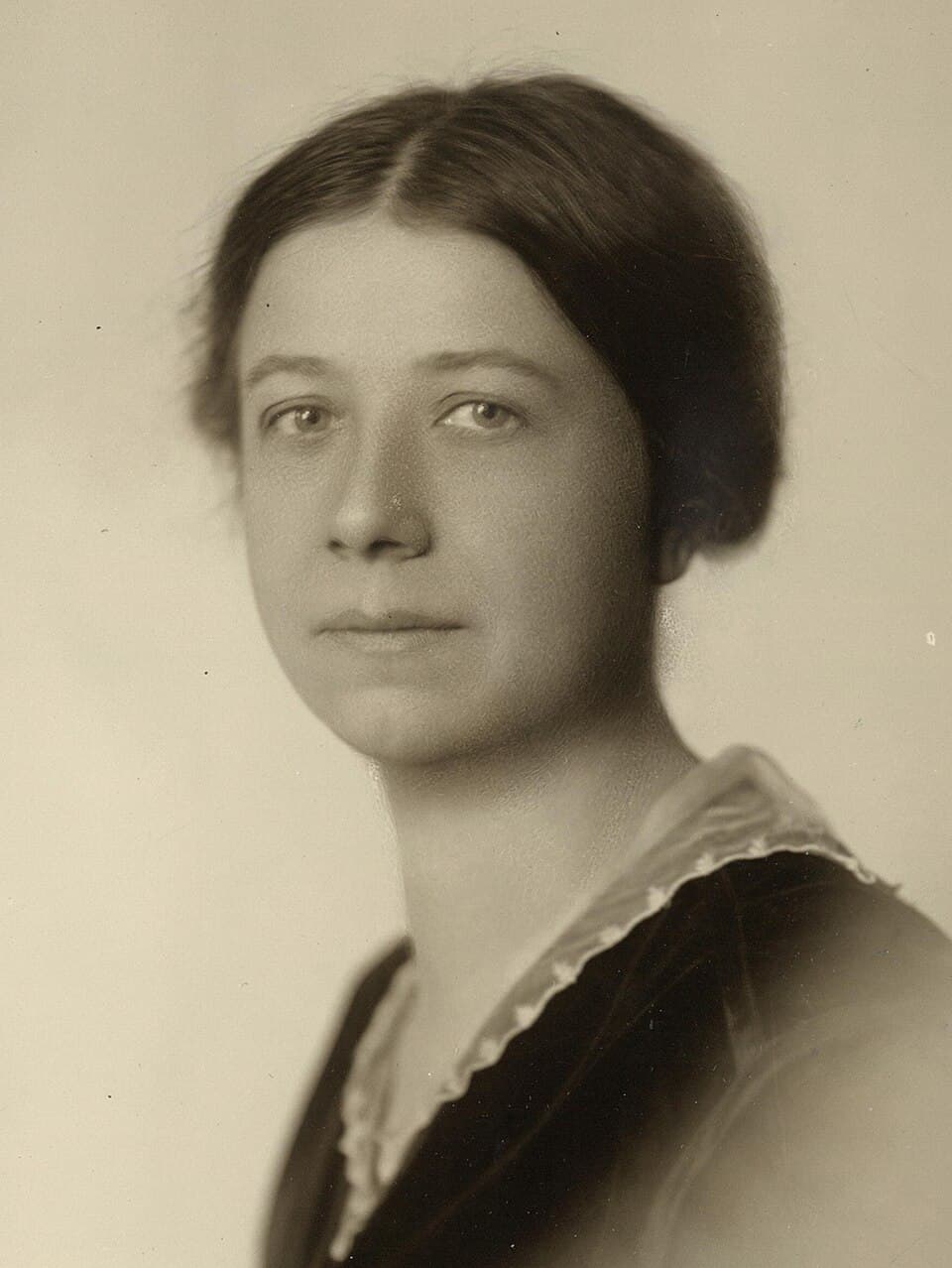
American · Activism · Literature · Politics
Mary Ritter Beard
August 5, 1876 – August 14, 1958
Early Life and Background
Mary Ritter Beard was born on August 5, 1876, in Indianapolis, Indiana. She was the daughter of Eli Foster Ritter, an attorney, and Narcissa Lockwood Ritter. Growing up in an environment that valued education, she was prepared to engage with the intellectual movements of her time. Mary attended DePauw University in Greencastle, Indiana, where she graduated in 1897 with a classical education. Her early years were characterized by an immersion in liberal arts education, laying the groundwork for her later work in social reform and history.
Career Beginnings and Development
After graduating, Mary began her career by teaching before moving to England to further her studies. It was there she met Charles Beard, who would become her husband and intellectual colleague. The couple married in 1900 and eventually returned to the United States, where they immersed themselves in the burgeoning progressive movement. Mary joined the suffrage movement, contributing her skills to advocating for women's rights. The Beards became key figures in the academic and intellectual circles of their era, collaborating on various projects.
Major Works and Accomplishments
Mary Ritter Beard was instrumental in writing pivotal texts about American history, often collaborating with her husband. Among these works are "The Rise of American Civilization" (1927), which offered a broad narrative of the American past. However, Mary's independent work also includes significant contributions, such as "Women as a Force in History" (1946), where she highlighted women's overlooked contributions to history. Her writing and research were groundbreaking in challenging the historical narrative that marginalized women's influence. She was a driving force in creating the World Center for Women's Archives in 1935, aiming to preserve women's records.
Awards and Honors
Mary Ritter Beard's efforts did not garner major contemporary awards, as societal recognition for women's contributions was limited during her lifetime. However, her legacy endures in the form of revived interest and respect for her scholarly contributions, influencing generations of feminists and revisionist historians.
Personal Life
Married to historian Charles Beard, Mary balanced her roles as a collaborator and independent scholar in her partnership. The couple had two children, Miriam and William, and they shared both a personal and professional life intertwined with academic pursuits. Despite the challenges of being a woman in a male-dominated field, she remained steadfast in her pursuit of equality and historical accuracy.
Legacy and Historical Impact
Mary Ritter Beard's legacy is significant in the realms of history and feminism. Her determination to document women's contributions to society challenged the prevailing narratives that often omitted these stories. Today, her works are regarded as pioneering efforts that paved the way for gender-inclusive history. Beard's efforts in founding institutions aimed at preserving women's history have had lasting impacts on historical scholarship and archive preservation.
Later Life and Death
Beard continued her work advocating for women's rights and documenting history until her later years. On August 14, 1958, she passed away, leaving behind a substantial body of work that continued to influence historians and feminists alike.
Dated achievements
2 indexed.
- Aug051876Literature
Born in Indianapolis, Indiana
Mary Ritter was born in Indianapolis, Indiana, on August 5, 1876, to a prosperous middle-class family.
View details Mary Ritter Beard - Wikipedia - Aug141958Literature
Death of Mary Ritter Beard
Mary Ritter Beard died on August 14, 1958, in Phoenix, Arizona, leaving behind a legacy as a pioneering feminist historian.