← All women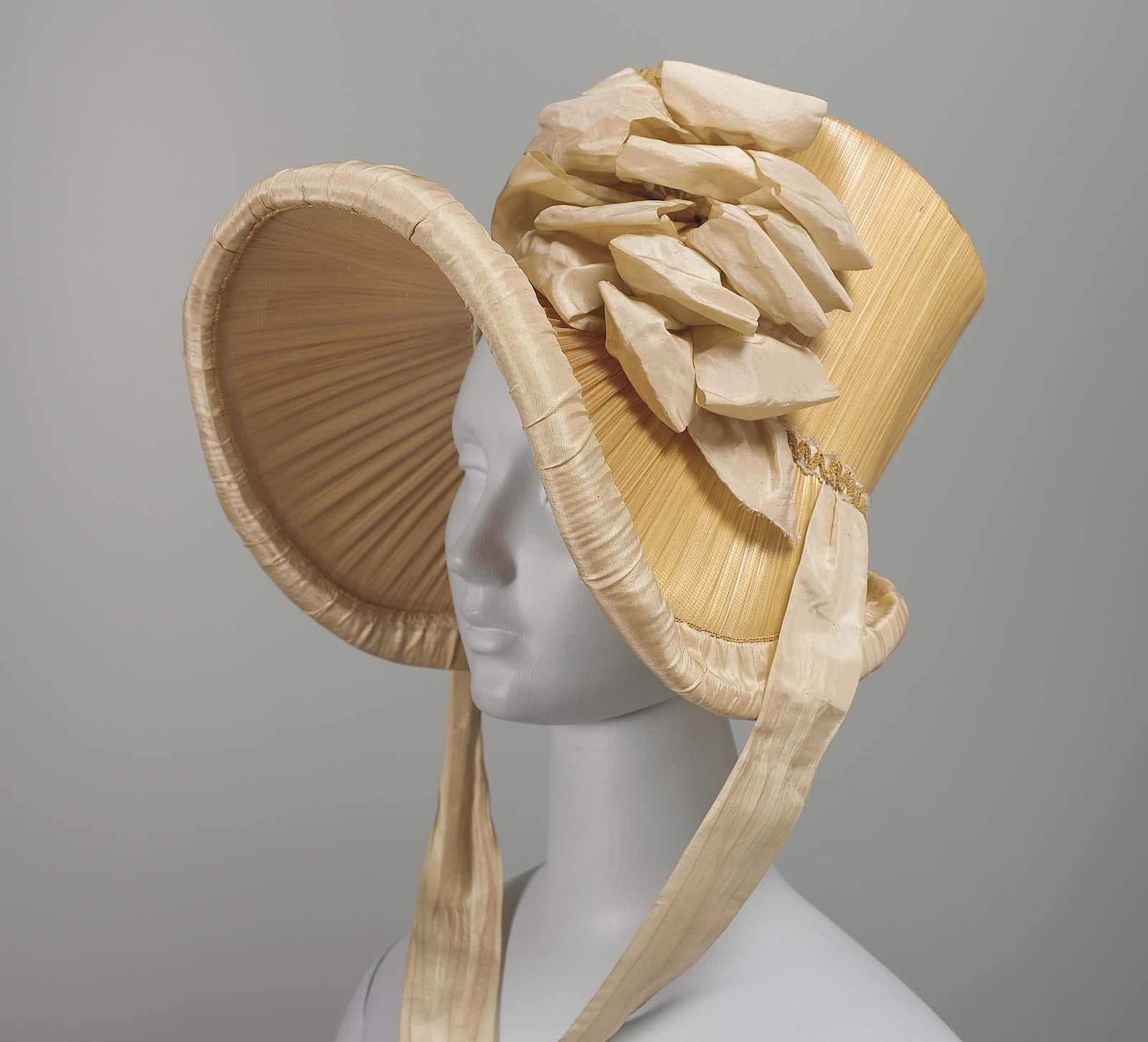
American · Activism
Mary Dixon Kies
March 21, 1752 – 1837
Early Life and Background
Mary Dixon Kies (born Mary Dixon) was an American inventor whose life and work illuminate the intersection of women’s craft, early industrialization, and the emerging U.S. patent system. She was born on March 21, 1752, in South Killingly, a rural part of Killingly, in the Colony of Connecticut.[1][4][12] Her father, John Dixon, was an Irish immigrant from the province of Ulster, and her mother is identified in several accounts as Janet Kennedy.[4][5][8] Like many families in eighteenth‑century New England, the Dixons were farmers, relying on mixed agriculture and household production for their livelihood.[4][8]
Growing up in this context, Mary would have been immersed in the domestic skills expected of girls and women: spinning, sewing, knitting, and other textile and needle crafts.[4][6] Such work was central to the household economy and later provided the practical foundation for her innovation in straw‑hat weaving. Formal schooling for rural girls in colonial Connecticut was limited, and there is no surviving evidence of advanced education or specialized training in her youth.[1][4] Her eventual engagement with the patent system therefore reflected not an elite scientific background but rather the adaptation of everyday craft knowledge to an industrializing market.
The period of Mary Dixon’s childhood and young adulthood was marked by political and economic upheaval. She lived through the American Revolution and the early years of the new republic, a time when questions of trade, domestic manufacture, and national self‑sufficiency were intensely debated.[1][12] In such an environment, women’s domestic production—especially textiles and clothing—was increasingly framed as a patriotic contribution to the nation’s economic independence, a discourse that would later intersect with how her straw‑weaving technique was perceived.
Marriage, Family, and Personal Life
Details of Mary Dixon Kies’s personal life are fragmentary and sometimes inconsistent across sources, reflecting the broader challenge of reconstructing the lives of non‑elite women in the eighteenth and early nineteenth centuries. Several biographical accounts note that she married a man named Isaac Pike, and that they had a son, Isaac Pike II, in 1770.[2][11] Genealogical records indicate that this first marriage occurred when she was a young woman in colonial Connecticut, though the precise date of the wedding is not documented.[11]
Later, Mary is reported to have married John Kies, whose surname she took and by which she is now known historically.[4][8] Some narratives suggest that this second marriage followed the death of her first husband, while others do not specify the sequence of events.[2][8][11] The couple’s household appears to have remained within the northeastern United States, where straw‑hat making and related textile crafts were increasingly important to women’s work and local economies.[6][12]
Mary Dixon Kies had at least two sons, with sources mentioning Isaac Pike II and Daniel Kies.[2][8][11] Later accounts state that in old age she lived with her son Daniel in Brooklyn, then a growing urban center.[2][5][8] The exact location of this Brooklyn—New York or Connecticut—varies across sources, with some identifying Brooklyn, New York, and others referencing Brooklyn in Windham County, Connecticut.[2][5][11] This uncertainty reflects the limited surviving documentation about her later movements.
Most accounts agree that Mary died in 1837, at about 84 or 85 years of age, and that she did so in modest or impoverished circumstances.[1][4][7] A monument in the Old South Killingly cemetery records her lifespan simply as "1752–1837" without giving a precise date.[2][6] This inscription, commissioned more than a century after her death, confirms the year but underscores the gaps in the historical record concerning the circumstances and exact timing of her passing.
Career Beginnings and Straw‑Hat Work
By the early nineteenth century, Mary Dixon Kies was part of a broader regional industry in New England that centered on the production of straw hats and bonnets. Straw‑hat weaving was a form of cottage industry in which women, often working from home, braided and stitched straw into fashionable headwear sold in local and regional markets.[12] ConnecticutHistory.org notes that "many New England women were employed in the weaving of straw hats," and that this work formed a "vital early industry" for the region.[12]
Within this context, Kies developed a technique for weaving straw with silk and other threads to produce more durable and stylish hats and bonnets.[1][4][6][12] Rather than simply braiding straw alone, her process interlaced the straw with silk or thread, creating a distinctive texture and appearance that appealed to consumers and improved the structural qualities of the hats.[4][6][9]
The timing of her innovation was economically significant. In 1807, the United States enacted the Embargo Act, which restricted imports, including European manufactured goods like straw hats.[9][12] This policy harmed New England’s hat industry by cutting off access to foreign products but also created an opportunity for domestic manufacturers who could supply American‑made alternatives. Kies’s method provided precisely such an alternative by enabling local production of fashionable straw hats that could compete with imported ones in quality and style.[9][12]
The 1809 Patent: Procedure and Context
The U.S. patent system was relatively new when Mary Dixon Kies sought protection for her straw‑weaving technique. The first Patent Act was passed in 1790, and subsequent legislation in 1793 and 1800 refined the process by which inventors could secure exclusive rights to their inventions.[11] Legally, these acts allowed both men and women to apply for patents, but social norms and property law—especially coverture, which limited married women’s legal identities—meant that few women did so in their own names.[6][9][11]
Against this backdrop, Kies prepared and submitted an application for her method of weaving straw with silk and thread. On May 5, 1809, President James Madison signed her patent, formally recognizing her as the inventor of the process and granting her exclusive rights.[1][4][6][12] The National Inventors Hall of Fame and regional historical organizations consistently cite this date and describe the patent as the first issued to a woman in the United States in her own name.[4][9][12]
The precise wording and technical details of Kies’s patent are no longer extant because the original records were destroyed in the 1836 Patent Office fire.[1][7][12] As a result, modern descriptions of her method rely on summaries from secondary sources, which agree that the patent covered a process of braiding or weaving straw with silk and other threads in the making of women’s hats and bonnets.[1][4][6][12]
Contemporary significance of her patent is reflected in the response it received. First Lady Dolley Madison, known for her fashion sense and support of domestic manufacturing, reportedly wrote to Kies to praise her invention and its contribution to American industry.[9][12] In an era when women’s work was rarely acknowledged by national figures, such recognition was notable and has been highlighted by later historians as evidence of the perceived importance of her innovation.
"First Woman" Status and Historiographical Debate
Mary Dixon Kies is widely commemorated as the first woman to receive a U.S. patent, but this designation is subject to scholarly debate. The National Inventors Hall of Fame, ConnecticutHistory.org, NPR, and several other commemorative sources describe her as the first woman to apply for and receive a patent in her own name.[4][7][9][12] They emphasize that her 1809 patent was one of only about twenty issued to women before 1840, underscoring its rarity.[4][9]
However, some legal historians and textile commentators point to earlier patents associated with women. Notably, Hannah Wilkinson Slater is recorded as having received a patent in 1793 related to cotton‑thread manufacturing, issued under the name "Mrs. Samuel Slater," and Hazel Irwin is sometimes cited as receiving a patent in 1808.[6] Because these earlier patents were recorded under a husband’s name or have less clear attribution, later authors differ on whether they constitute women’s patents in the same sense as Kies’s.
Spanish‑language and other international encyclopedias reflect this uncertainty, noting that while some sources present Kies as the first woman to receive a U.S. patent, others cite Slater or Irwin as earlier examples.[2][3][5] As a result, contemporary scholarship often adopts a more precise formulation: Kies was the first woman recognized as a U.S. patent holder in her own name and the earliest woman whose individual identity as a patentee is widely acknowledged in the historical record.[3][4][5][9]
This debate illustrates both the ambiguities of early patent documentation and the broader issue of how women’s contributions are categorized in legal and historical narratives. Regardless of how the "first" label is applied, Kies’s case remains a landmark because it shows a woman navigating the patent system autonomously and being publicly recognized for an invention tied to women’s traditional work.
Economic Outcomes and Later Life
Despite the historical recognition attached to her patent, Mary Dixon Kies appears to have derived limited financial benefit from her invention. IntroductionsNecessary and other educational sources report that changing fashions reduced demand for her particular style of straw bonnet, and that she was ultimately unable to profit significantly from the method she had patented.[7]
As hat styles evolved and industrial production shifted, the specific process Kies developed seems to have been overtaken by newer techniques or designs. While her method was reportedly adopted by segments of the New England hat‑making industry and "widely used for a decade," its commercial impact beyond that period is less clear.[4] By the time she reached old age, she was described as living "penniless" or in modest circumstances, likely dependent on family support.[1][4][7]
Accounts of her later years indicate that she lived with a son named Daniel Kies in Brooklyn, where she died in 1837 at around 85 years of age.[2][5][8] Although one modern student project claims a specific death date, January 1, 1837, major reference works and her monument provide only the year, suggesting that precise documentation has not survived.[1][2][5][10] Her burial in Old South Killingly cemetery underscores her continued connection to her birthplace, even after living elsewhere.
1836 Patent Office Fire and Loss of Records
A major turning point in the archival record of Mary Dixon Kies’s life occurred on December 15, 1836, when a devastating fire struck the U.S. Patent Office in Washington, D.C. General patent histories record that approximately 10,000 patents and related documents were destroyed in the blaze, wiping out much of the documentary evidence from the early years of the republic’s patent system.[1][12]
Kies’s original patent materials were among the documents lost. ConnecticutHistory.org explicitly notes that "Kies’ original patent materials were destroyed in the U.S. Patent Office fire in 1836," and Smithsonian Magazine similarly remarks that her patent was lost in the catastrophe.[12][2] Because of this destruction, historians lack the original text, drawings, and legal description of her invention. Instead, they must rely on later summaries and references when reconstructing her contribution.[1][4][7]
The loss of Kies’s patent file has had several consequences. It contributes to the ongoing uncertainty about the exact date of issuance—most regional and commemorative sources give May 5, 1809, while a smaller number cite May 15, 1809—and it limits understanding of the technical specifics of her process.[2][4][8] More broadly, the fire exemplifies how women’s achievements, already under‑documented, can be further obscured by archival catastrophes, a theme that recurs in women’s‑history scholarship.
Mid‑Twentieth‑Century Commemoration
For more than a century after her death, Mary Dixon Kies remained a relatively obscure figure, primarily mentioned in specialized patent histories and local accounts. In 1965, however, she became the focus of a deliberate effort by community historians in Killingly, Connecticut, to publicly honor her contribution. Members of the Killingly Historical and Genealogical Society, Inc., together with the Killingly Grange No. 112, arranged and funded an engraved monument in the Old South Killingly cemetery.[2][6]
Dedicated on June 1, 1965, the monument identifies Kies as the first woman in the United States to apply for and receive a patent and records her lifespan as 1752–1837.[2][6] Smithsonian Magazine and Threads Magazine both reference this stone as evidence of the local pride taken in her achievement and as a key source confirming basic biographical details.[2][6]
This commemoration occurred during a period when historians and activists were increasingly interested in recovering women’s contributions to science and technology. By placing a permanent marker in her hometown cemetery, the organizers ensured that future generations would encounter her story not only in legal or technical texts but also in the physical landscape of the community. The monument has since been cited in numerous articles, podcasts, and educational materials, effectively anchoring her legacy in both local and national memory.[2][6][7]
National Inventors Hall of Fame Recognition
In the early twenty‑first century, Mary Dixon Kies received prominent national recognition when she was inducted into the National Inventors Hall of Fame. The Hall of Fame’s profile on Kies describes her as the first woman to apply for and receive a U.S. patent in her own name and notes that her patent, issued on May 5, 1809, was for an innovative process of weaving straw with silk.[4]
The Hall of Fame further points out that Kies’s patent was one of only about twenty granted to women before 1840, highlighting the severe gender imbalance in early American patenting.[4][9] By including her alongside more widely known inventors, the institution underscores the importance of women’s contributions to craft and industry as part of the broader history of innovation.
Legal‑industry commentary, such as Harness IP’s 2020 article, uses her Hall of Fame induction to draw attention to both her technical achievement and its broader social significance.[9] These sources emphasize that her patent not only enhanced the hat industry at a moment of economic strain but also served as a precedent for women seeking recognition for their inventions. The Hall of Fame’s recognition has spurred renewed interest in her life, including radio segments, podcasts, and educational websites devoted to her story.[7][9]
Race, Identity, and Historical Uncertainty
Most major reference works—such as Wikipedia in multiple languages, Britannica, and the National Inventors Hall of Fame—do not specify Mary Dixon Kies’s race, focusing instead on her Irish immigrant parentage and New England upbringing.[1][2][3][4][5] One educational webpage from the University of Alabama suggests that Kies was African‑American, but this characterization is not corroborated by genealogical records or other scholarly sources.[7][10][11]
Given the lack of supporting evidence in primary documents or major reference works, historians generally treat her racial identity as uncertain rather than established. This uncertainty itself is notable, as it highlights how limited documentation can fuel speculative claims about historical figures, especially women and potential members of marginalized groups. Current consensus, based on available genealogical information, remains that she was the daughter of an Irish immigrant farmer and his wife in colonial Connecticut.[4][5][11]
Legacy and Historical Impact
Mary Dixon Kies’s legacy operates on several levels: technical, economic, legal, and symbolic. Technically, her method of weaving straw with silk and thread represents an innovative adaptation of traditional women’s handiwork to industrializing markets, improving the quality and appeal of straw hats and bonnets during a period of trade restriction.[1][4][9][12]
Economically, her process helped bolster the New England hat industry, providing domestic alternatives to imported goods affected by the Embargo Act of 1807.[9][12] While she may not have profited significantly herself, her invention contributed to income opportunities for other women engaged in straw‑hat weaving and to regional industry more broadly.[6][9][12]
Legally, her 1809 patent stands as an early example of a woman successfully using the U.S. patent system to secure recognition and rights for her work. In the face of coverture and restrictive gender norms, her application and grant demonstrated that women could be named inventors in official records and could claim ownership of their ideas.[4][6][9][11]
Symbolically, Kies has become a touchstone in the history of women in science and technology. Commemorative narratives, from local monuments to national hall‑of‑fame profiles, present her as a pioneer whose story encourages renewed examination of other overlooked women inventors.[2][4][6][7][9] The ongoing debate over whether she was the "first" woman patentee underscores the need for careful archival research but does not diminish her role as a widely recognized early figure in women’s intellectual‑property history.
Today, her life is referenced in educational materials, podcasts, magazine articles, and museum exhibits that explore themes of gender, innovation, and economic history. These narratives use her story to illustrate how women’s traditional crafts could become sites of technological creativity and how legal recognition of that creativity has evolved over time.[6][7][9]
Later Recognition in Media and Scholarship
In recent decades, Mary Dixon Kies has received growing attention in popular media and academic discussions. NPR has featured segments on her as part of programming that highlights historic women pioneers, reiterating her reputation as the first woman to hold a U.S. patent.[7] Podcasts such as IntroductionsNecessary devote episodes to her life and contextualize her work within the broader history of American women inventors.[7]
Articles in sewing and craft magazines, including Threads, situate her alongside figures like Hannah Wilkinson Slater, exploring how women’s textile skills intersected with early industrialization and intellectual property.[6] Legal‑industry blogs and educational websites similarly use her case to illustrate the historical development of patent law and to encourage contemporary women to pursue patents for their own inventions.[9]
International encyclopedias—in Spanish, Catalan, German, and Norwegian—include entries on Kies, reflecting global interest in her story and further establishing her place in the canon of early women inventors.[2][3][5] These entries generally repeat the core biographical facts (birth in Killingly in 1752, patent in 1809, death in 1837) and note the debates surrounding her "first woman" status.[2][3][5]
Assessment
Although much about Mary Dixon Kies’s life remains undocumented, the surviving record is sufficient to identify her as a significant figure in women’s history and the history of technology. Her 1809 patent for a straw‑weaving process stands at the intersection of domestic craft and industrial production, and her successful use of the patent system illustrates the possibilities—and limits—of women’s legal agency in the early United States.
Subsequent recognition by local historical societies, national institutions, and international reference works has elevated her from relative obscurity to a symbol of women’s inventive capacity. At the same time, the gaps in her biography, the loss of her patent records in the 1836 fire, and the debates over her exact status as a "first" woman patentee remind researchers of the challenges inherent in reconstructing women’s technological history.
Taken together, these elements make Mary Dixon Kies an important subject for ongoing scholarly and public engagement, representing both an early achievement in women’s participation in intellectual property and a case study in the fragile preservation of women’s historical contributions.
Dated achievements
5 indexed.
- Mar211752Activism
Birth of Mary Dixon Kies
Mary Dixon Kies was born in South Killingly, Connecticut.
View details Wikipedia - May051809Activism
Receives U.S. patent for straw weaving technique
Mary Dixon Kies received a U.S. patent for her technique of weaving straw with silk and thread.
View details