← All women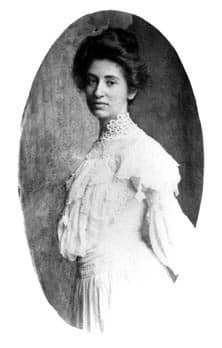
American · Arts · Science
Mary Colter
April 4, 1869 – January 8, 1958
Early Life and Background
Mary Elizabeth Jane Colter was born on April 4, 1869, in Pittsburgh, Pennsylvania. Her family moved frequently during her childhood, which included stays in Texas and Colorado, before settling in St. Paul, Minnesota. Colter was influenced by Native American cultures at an early age, an interest that would profoundly shape her work. She attended the California School of Design in San Francisco, where she honed her skills in art and design.
Career Beginnings and Development
After completing her education, Colter began her career as a teacher at a girls’ school in St. Paul. During her summers, she worked for the Fred Harvey Company, which managed restaurants and hotels along the Santa Fe Railway. Her work with the company soon evolved into a full-time position as an architect and designer, a rare opportunity for a woman in the early 20th century.
Major Works and Accomplishments
Colter was tasked with designing a series of landmark projects by the Fred Harvey Company and the National Park Service. Among her most famous works are the Desert View Watchtower at the Grand Canyon, completed in 1932; the Phantom Ranch, constructed within the canyon itself in 1922; and the iconic Bright Angel Lodge and Lookout Studio. Each design uniquely blended local natural materials with aesthetic styles drawn from indigenous cultures and Spanish Colonial architecture.
Her design of the Desert View Watchtower is particularly noteworthy for its striking resemblance to ancient Native American structures, integrating both authenticity and functionality.
Awards, Honors, and Recognition
While Colter did not receive significant formal recognition during her lifetime, her legacy is celebrated today. Her architectural designs have been preserved as historical landmarks, and she is recognized as a pioneer who expanded the role of women in architecture.
Legacy and Historical Impact
Colter’s work is now seen as an essential contribution to American architecture, particularly in the Southwest. Her designs are celebrated for their sustainability, thoughtful integration with the environment, and respectful reflection of Native American cultures. Scholars and preservationists continue to study her work, ensuring that Colter’s innovative spirit inspires future generations of architects.
Later Life and Death
After a long and prolific career, Mary Colter retired in 1948. She lived out her final years in California, where she passed away on January 8, 1958. Today, her work endures, continuing to attract and inspire new viewers who visit her buildings throughout the American Southwest.
Dated achievements
0 indexed.