← All women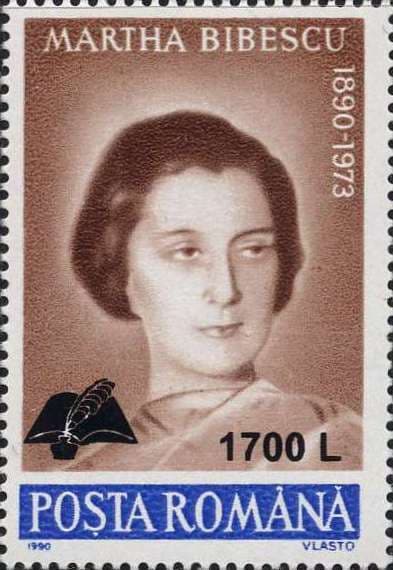
Romanian · Literature · Politics
Marthe Bibesco
January 28, 1886 – November 28, 1973
Early Life and Background
Marthe Bibesco, born as Martha Lucie Lahovary on January 28, 1886, in Bucharest, Romania, was born into one of Romania's oldest aristocratic families. Her father, Ion Lahovary, was a prominent Romanian politician and diplomat, and her mother a French aristocrat, which exposed Marthe to both Romanian and French cultural influences from an early age. Educated primarily at home, she mastered several languages, including Romanian, French, English, and German, which would later play a crucial role in her literary career.
Career Beginnings and Development
Marthe's entry into the literary world was influenced by her marriage in 1905 to Prince George Valentin Bibesco, a wealthy and well-connected Romanian nobleman. This marriage granted her access to European high society, where she began to write more seriously. Her first book, "The Eight Paradises," published in 1908, brought her critical acclaim and established her as an important new voice in literature.
Major Works and Accomplishments
During World War I, Marthe Bibesco used her position to write about the political affairs of Europe, authoring several books and essays that showcased her insights into both politics and society. Her works, such as "Isvor, the Land of the Willow" and "Catherine-Paris," are known for their keen social commentary and vivid portrayal of European aristocracy.
Her literary expertise was acknowledged when she became one of the very few female members of the Royal Academy of French Language and Literature (Belgium). Her influence extended beyond literature as she engaged in diplomacy and politics, frequently hosting salons that connected intellectuals, artists, and political figures.
Awards, Honors, and Recognition
In recognition of her literary and cultural contributions, Marthe Bibesco was honored with several international accolades. These include the French Legion of Honor and various nominations for international literary awards. Her status as a cultural ambassador for Romania further cemented her legacy in both literary and political domains.
Personal Life
Marthe's personal life was characterized by her marriage to Prince George Valentin Bibesco, with whom she had a daughter, Valentine. Despite their marriage being one of social convenience, Marthe maintained a profound intellectual partnership with her husband, bolstered by a series of close friendships and correspondences with notable writers and politicians of her time.
Legacy and Historical Impact
Marthe Bibesco's legacy lies in her unique perspective as a writer who was equally at home in the worlds of European aristocracy and literary innovation. Her ability to capture the spirit of her times, along with her deep engagement in the political and social issues of her day, continue to be studied by literary historians and political theorists alike.
Later Life and Death
In her later years, Marthe continued to live in France, where she remained active in the literary community until her death. She passed away on November 28, 1973, in Paris, leaving behind an enduring literary and cultural legacy that continues to be celebrated in Europe and beyond.
Dated achievements
2 indexed.
- Jan281886Literature
Birth of Marthe Lucie Lahovary in Bucharest
Born in Bucharest, Romania, into the aristocratic Lahovary family, on 28 January 1886.
View details Marthe Bibesco - Wikipedia - Nov281973Literature
Death of Marthe Bibesco in Paris
Marthe Bibesco died in Paris on 28 November 1973, at the age of 87, after a long literary and diplomatic career.