← All women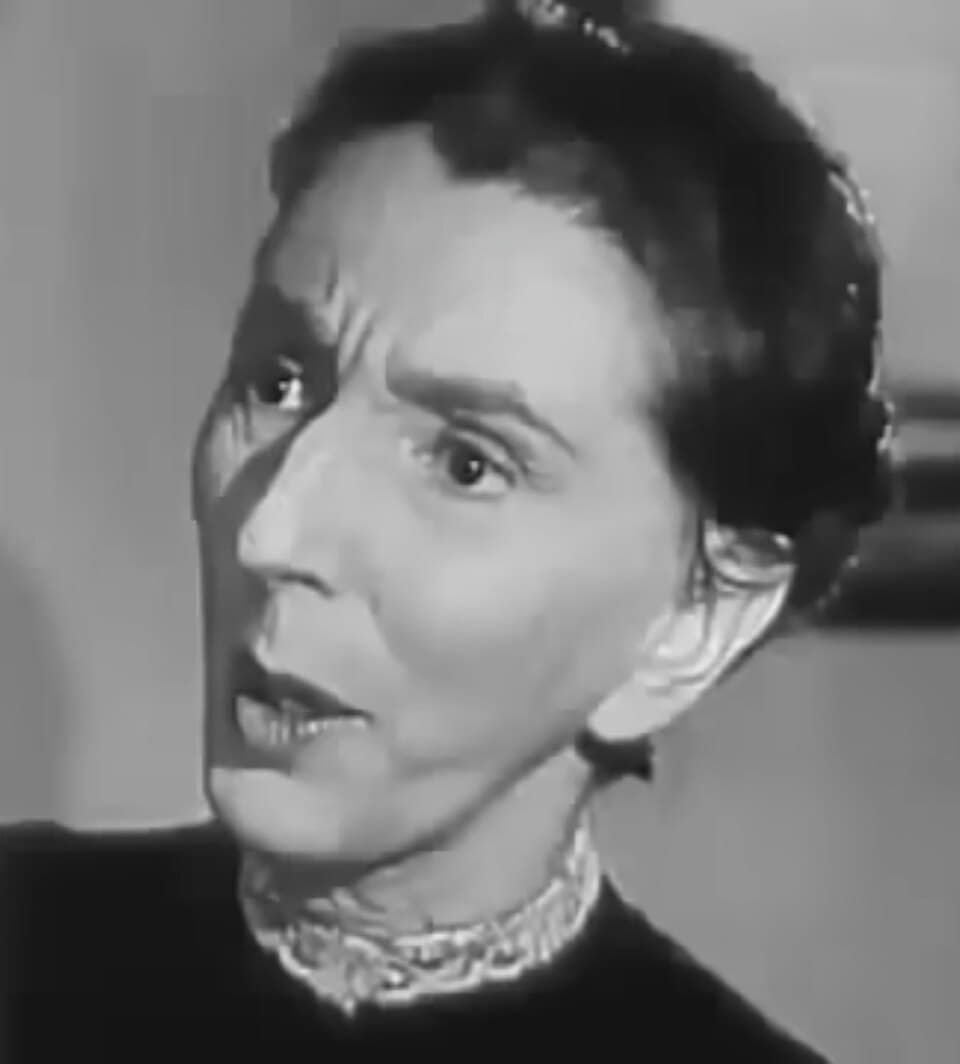
American · Arts
Marjorie Eaton
February 5, 1901 – August 15, 1986
Early life and background
Marjorie Lee Eaton was born on February 5, 1901, in the San Francisco Bay Area, with sources varying between San Francisco and Oakland as the specific birthplace. Biographical references consistently agree that she grew up in California and was raised in Palo Alto. She came from a cultivated household: later accounts identify her father as Dr. George Eaton, a physician, and her mother as Edith Morley, a pianist. That combination of medicine, music, and professional ambition helped shape Eaton’s broad cultural outlook and likely encouraged the versatility that would later define her life. Her mother died when Eaton was very young, and family accounts indicate that another woman, Edith Cox, became an important surrogate presence in her upbringing. This early loss and change in family structure formed part of the background to a life that would repeatedly involve reinvention.
Eaton attended the Katherine Delmar Burke School and graduated in 1920, after which she continued her education in art. Later sources describe study at the Art Institute of Boston and additional training in Florence and Paris. Those experiences placed her within the larger transatlantic art world at a time when women’s access to serious artistic training was still constrained by social expectations and institutional barriers. Her education gave her both technical preparation and the confidence to pursue a career in painting, photography, architecture, and performance.
Artistic formation and early career
Eaton’s earliest professional identity was as a painter. She became associated with the modernist and Southwestern art worlds and was later linked to the Taos artistic community in New Mexico, where she painted many of her most noted works. Her association with the Taos circle placed her near some of the most important developments in American regional modernism, where artists sought to create work rooted in place while engaging broader modernist ideas. Eaton’s art reflected this environment and the crosscurrents of California and New Mexico creativity in the interwar and mid-century years.
Her life also intersected with major figures in the international art world. Later biographical materials note that she lived in Mexico with Diego Rivera and Frida Kahlo, shared an apartment with Louise Nevelson in New York City, studied with Hans Hofmann, and was photographed by Dorothea Lange. These connections matter historically because they place Eaton inside a network of modern artists and cultural innovators rather than on the margins of it. They also show the breadth of women’s participation in modern art, often through informal exchange, community, and mutual support rather than through the official institutions that traditionally documented artistic achievement.
Accounts also note that Eaton was among the early California collectors to purchase a Paul Klee painting. While this is a collecting rather than making achievement, it further reflects her engagement with modernism as a participant in taste-making and patronage. She was not simply an observer of avant-garde culture; she was a practiced member of it.
Move into acting
Although Eaton’s first professional identity was artistic, she later developed a substantial career as a character actress. Sources describe stage work and Broadway appearances before her motion-picture debut. Her film debut came in Anna and the King of Siam (1946), a late start by Hollywood standards but one that reflects the uneven and often non-linear entry of women artists into screen acting. Unlike performers groomed from youth for stardom, Eaton entered film with a preexisting life in the visual arts and brought a mature presence to her roles.
Over the next decades she appeared in a range of films, including That Forsyte Woman (1949), Zombies of Mora Tau (1957), Witness for the Prosecution (1958), Night Tide (1961), Mary Poppins (1964), Monstrosity (1963/1964 in various filmographies), The Trouble with Angels (1966), Hail, Hero! (1969), Bullitt (1968), Street Music (1982), and Crackers (1984). Her screen roles were typically supporting or character parts, but together they demonstrate steady work across several genres, from drama and suspense to family entertainment and horror. In an industry that often privileged youth and leading-lady visibility, Eaton’s career reflects the importance of older women performers who sustained Hollywood’s narrative economy in smaller but essential roles.
The Empire Strikes Back and popular recognition
In 1979, Eaton filmed a scene for The Empire Strikes Back in which she portrayed Emperor Palpatine under heavy makeup. That performance, released with the film in 1980, has become her best-known screen credit among later audiences. The role was unusual in several respects: Eaton was a woman playing the Emperor, her identity was hidden beneath elaborate prosthetics, and the part was uncredited in the finished film. For historians of film and popular culture, the significance lies less in celebrity than in the production history of one of the franchise’s most iconic villains. Eaton was one of the first people to embody the character on screen, and her contribution was later supplanted by other performers and postproduction changes as the series evolved.
This episode has made Eaton a cult figure in Star Wars history, but it should be understood in the context of a much larger career. Her appearance in the film came late in life, after decades of artistic work, and illustrates how older women could still shape popular culture in unexpected ways. It also reflects the invisibility frequently imposed on women’s labor in film: she contributed to a major cinematic figure yet remained largely unrecognized by mainstream audiences for years. The later rediscovery of her role has helped restore some of that visibility.
Artistic legacy and significance
Eaton’s legacy is strongest when viewed as the work of a multidisciplinary artist. She was not simply an actress who painted in her spare time, or a painter who briefly dabbled in film. Rather, she built a life across several artistic domains at a time when women were often expected to specialize or to work at the edges of public culture. Her friendships and associations placed her amid major twentieth-century art movements, and her own practice connected California, New Mexico, Mexico, New York, and Europe.
Her legacy also lies in the example she sets for women’s history: a career that is not easily categorized, an artistic identity formed through travel, community, and resilience, and a late-life screen appearance that unexpectedly entered pop culture memory. She belongs to the broader history of women who sustained modernism not just through famous masterpieces, but through constant participation in creative networks, collecting, teaching, performance, and experimentation. Because much of her output was dispersed across media and communities, she has sometimes been more visible to specialists than to the general public, yet her life demonstrates how significant such hybrid careers were in shaping twentieth-century culture.
Personal life
Public sources preserve only limited detail about Eaton’s private life, but they do indicate that she moved in artistic circles and formed close personal and professional relationships with major figures of her era. She lived in New York with Louise Nevelson, a relationship that suggests both friendship and practical support between women artists. She also spent time in Mexico in proximity to Diego Rivera and Frida Kahlo, another sign of the international artistic milieu in which she moved. These associations matter because women artists in the twentieth century often depended on informal networks for access, encouragement, and exchange.
Her family background, especially the influence of a musician mother and physician father, likely contributed to her openness to both artistic and intellectual pursuits. Beyond these connections, reliable public sources do not document a detailed marital or parental history, and it is best not to infer more than the record supports. What is clear is that Eaton fashioned a life centered on art, companionship, and work rather than on the conventional public narratives that often dominate celebrity biographies.
Later life and death
By the 1980s, Eaton had largely completed her screen work and was recognized primarily as an artist with an unusual acting afterlife. She continued to be associated with painting, and later exhibitions and estate materials have helped preserve interest in her visual art. She died in California in 1986. Sources differ on whether the place of death should be recorded as Hollywood or Palo Alto, but they agree on the date of April 21, 1986. Her death marked the end of a long life that had begun before the First World War and extended into the era of modern blockbuster cinema.
In retrospect, Eaton’s importance lies in the way her life connects several histories at once: the history of women’s modern art, the history of West Coast creative communities, and the history of character acting in American film. Because she worked across disciplines and eras, she is best understood not through a single defining achievement but through the cumulative significance of a career that repeatedly crossed boundaries and left traces in both art history and popular culture.
Dated achievements
2 indexed.
- Feb051901Arts
Birth of Marjorie Eaton in San Francisco
Marjorie Lee Eaton was born on February 5, 1901, in San Francisco, California, beginning a life that would span careers as a painter, muralist, and character actress.
View details Marjorie Eaton - IMDb - Aug151986Arts
Death of Marjorie Eaton
Marjorie Eaton died on August 15, 1986, closing out a long dual career as a fine artist and character actress that spanned over six decades.