← All women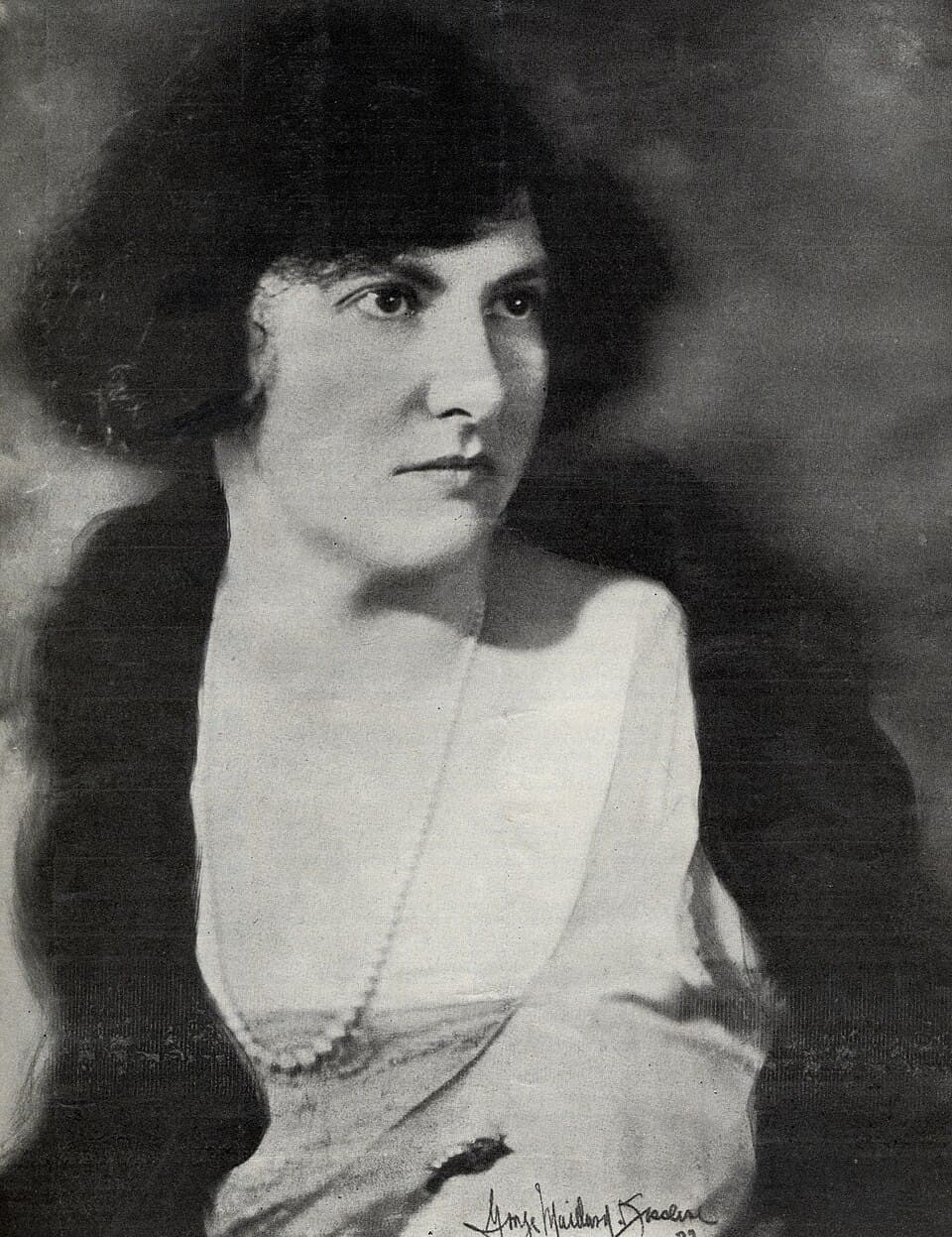
American · Arts · Literature
Marion Bauer
August 15, 1882 – August 9, 1955
Early Life and Background
Marion Eugénie Bauer was born on August 15, 1882, in Walla Walla, Washington. She was the youngest of seven children in a Jewish family. Her parents, Jacob Nathan Bauer and Julia Heyman Bauer, fostered a nurturing environment that valued music and education. Bauer pursued her love for music by studying composition and theory at the New York Institute of Musical Art and later abroad in France, where she honed her skills under the tutelage of renowned teacher Nadia Boulanger.
Career Beginnings and Development
In the early 20th century, Bauer began her career as a composer and music critic in New York. She became known for her compositions and critical essays published in various music journals. Her works often incorporated modernist elements, reflecting the innovative spirit of her time. Bauer was deeply involved with the Friends of Modern Music and the American Music Guild, organizations dedicated to the promotion of new music and composers.
Major Works and Accomplishments
Bauer’s compositions include pieces for piano, chamber groups, and orchestra. Notable works include Pattern, Symphonic Suite, and several vocal and choral pieces. She authored significant treatises on music theory and criticism, such as Twentieth Century Music (1933), which became important educational material for music students. Her pioneering efforts in integrating modernist elements into American compositions made her a vital link between European and American musical developments.
Awards, Honors, and Recognition
Throughout her career, Marion Bauer was recognized for her contributions to both composition and music education. She was appointed to the faculty at New York University in 1926, where she played a crucial role in developing the university's music curriculum. Bauer's lasting influence on music education is evident through her mentorship of future scholars and musicians.
Personal Life and Relationships
Marion Bauer was committed to her professional life, dedicating much of her time and energy to composition and teaching. Despite the challenges faced by women in the arts at the time, she maintained a network of supportive colleagues and students, contributing to a rich community of women in music.
Legacy and Historical Impact
Bauer's legacy lies in her innovative compositions and her pioneering role as a female composer and educator. She helped pave the way for future generations of women composers and was influential in the development of 20th-century American music. Her theoretical writings continue to be a resource for music students and scholars.
Later Life and Death
Marion Bauer passed away on August 9, 1955, in South Hadley, Massachusetts. Her contributions to modern music and education left an indelible mark on both fields, ensuring her place in the annals of American cultural history.
Dated achievements
1 indexed.
- Aug151882Arts
Birth of Marion Bauer
Marion Bauer was born on August 15, 1882.
View details Wikipedia: Marion Bauer