← All women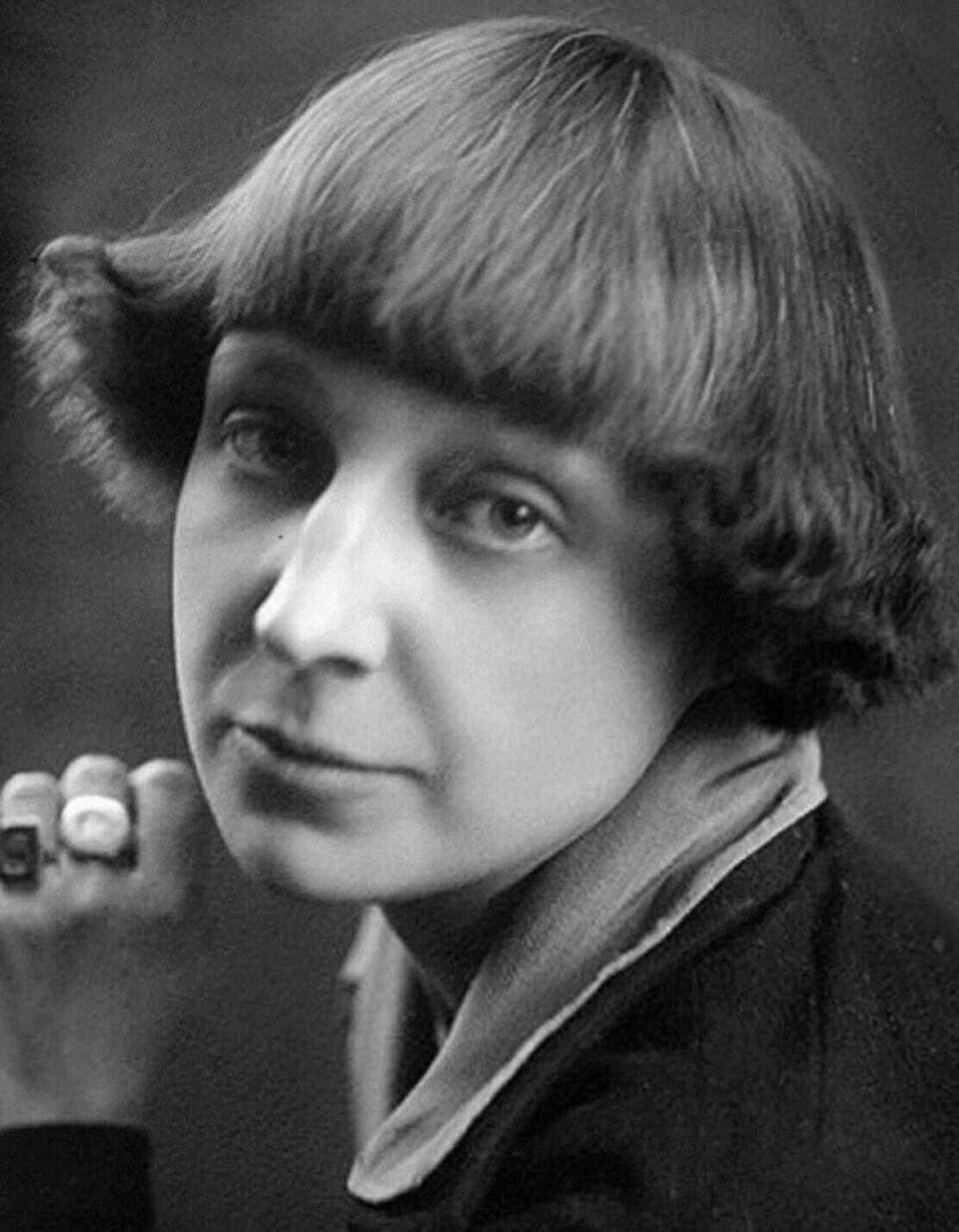
Russian · Literature
Marina Tsvetaeva
October 8, 1892 – August 31, 1941
Early Life and Background
Marina Ivanovna Tsvetaeva was born on October 8, 1892, in Moscow, Russia, into an intellectually enriched family. Her father, Ivan Vladimirovich Tsvetaev, was a professor of art history and the founder of the Moscow Museum of Fine Arts, and her mother, Maria Aleksandrovna Meyn, was a concert pianist who instilled a lasting love for music in Tsvetaeva. From a young age, Tsvetaeva was exposed to the classics, both in literature and music, which significantly shaped her poetic voice.
Career Beginnings and Development
Tsvetaeva published her first collection of poems, Evening Album, in 1910, a self-published work that received attention from prominent poets of the era. Her early works showed a deep understanding of Russian folklore and history, coupled with her distinctly personal style. Tsvetaeva continued to write through the tumult of the Russian Revolution and Civil War, with works such as Mileposts and Swan's Encampment, reflecting her personal struggles and the societal turmoil surrounding her.
Major Works and Accomplishments
Her lyrical poetry, characterized by intense emotion and introspection, showcased her ability to convey complex emotions with brevity and precision. Some of her most acclaimed works include The Poem of the Mountain and The Poem of the End, which highlight her mastery over poetic form and her thematic exploration of love, loss, and exile. Despite the oppressive political climate, Tsvetaeva's poetry remained both innovative and defiant.
Awards, Honors, and Recognition
Although Tsvetaeva's genius was not fully recognized during much of her life, her poetry has achieved monumental status posthumously. Scholars and critics widely regard her as one of the preeminent poets of the 20th century. Her work has been translated into numerous languages, bringing her emotional and stylistic innovations to a global audience.
Personal Life
Marina married Sergei Efron in 1912, a relationship marked by passionate but turbulent interactions, parallel to the intense emotions found in her poetry. The couple had two daughters and a son, but familial tragedies struck; their second daughter, Irina, died of hunger in 1920 during the Russian famine. Despite personal and political upheavals, Tsvetaeva continued to write prolifically about the complexities of human relationships.
Legacy and Historical Impact
Marina Tsvetaeva's legacy resides in her profound impact on Russian literature and her exploration of enduring themes of love, identity, and displacement. Her innovative use of language and form has influenced countless poets worldwide. Today, she stands as a symbol of resistance to cultural and political suppression through art.
Later Life and Death
As World War II ensued and conditions in the Soviet Union became harsher, Tsvetaeva faced increasing hardship. In 1941, during the height of World War II difficulties, she moved to Yelabuga, where she tragically died by suicide on August 31, 1941. Despite her tumultuous life, Tsvetaeva's poetry continues to resonate with readers, capturing the visceral essence of the human condition in times of both peace and strife.
Dated achievements
2 indexed.
- Oct081892Literature
Birth of Marina Tsvetaeva
Marina Tsvetaeva was born on October 8, 1892, in Moscow, into an artistic family.
View details Wikipedia: Marina Tsvetaeva - Aug311941Literature
Death of Marina Tsvetaeva
Marina Tsvetaeva died by suicide on August 31, 1941, in Yelabuga, amidst WWII hardships.
View details