← All women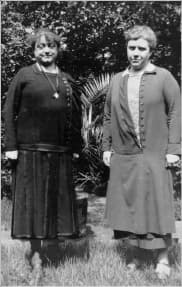
Belgian · Politics · Activism
Maria Baers
September 10, 1883 – December 20, 1959
Early Life and Background
Maria Baers was born on September 10, 1883, in a modest family in Belgium. She was raised in a Catholic environment, which influenced her early education and led to her deep involvement in social and religious activities. Her formative years were marked by a strong emphasis on community service and the teachings of the Catholic Church, shaping her outlook on women's roles in society.
Career Beginnings and Development
Baers began her career as a social worker, focusing on improving the welfare of women and children. Her early work was centered around the Catholic Church’s initiatives in social reform. Over time, she became a key figure in expanding these efforts, channeling her passion into activism for women's rights. Her reputation grew nationally, leading her to play a significant role in politics and social reform.
Major Works, Discoveries, or Accomplishments
In the 1920s, Baers was pivotal in founding the National Catholic Women's League (Ligue Nationale des Femmes Catholiques), an organization that championed the rights of women, provided education, and sought increased participation of women in public life. She tirelessly worked to gain women's suffrage in Belgium, reflecting a lifetime of advocacy for women’s rights.
Awards, Honors, and Recognition
Maria Baers' tireless efforts in the field of social justice and women's rights earned her widespread recognition. She was celebrated as a national icon for her contributions to improving the status of women in Belgium, inspiring future generations of female leaders.
Personal Life
Baers' personal life was interwoven with her professional one, often blurring the lines between her private and public duties. Being unmarried and deeply committed to her work, she often described her activism as her calling, dedicating her life to the causes she believed in.
Legacy and Historical Impact
Maria Baers left an indelible mark on Belgian society. Her advocacy paved the way for many legislative changes that improved gender equality in Belgium. Her influence can be seen in the continued work of the organizations she helped establish, which remain active and influential in Belgium and beyond.
Later Life and Death
Retiring from active life towards the end of her career, Maria Baers continued to mentor young female politicians and activists. She remained an influential figure in political circles until her death on December 20, 1959. Her legacy as a pioneer for women’s rights is celebrated to this day, marking her as a key historical figure in the fight for women's suffrage and equality.
Dated achievements
3 indexed.
- Aug061883Activism
Born in Antwerp
Maria Baers was born on 6 August 1883 in Antwerp, Belgium, into a devout Catholic family.
View details Maria Baers - Wikipedia - Nov181929Politics
First woman elected to the Belgian Senate for the Catholic Party from Antwerp
Maria Baers became one of the first women senators in Belgium, elected in 1929 representing the Catholic Party.