← All women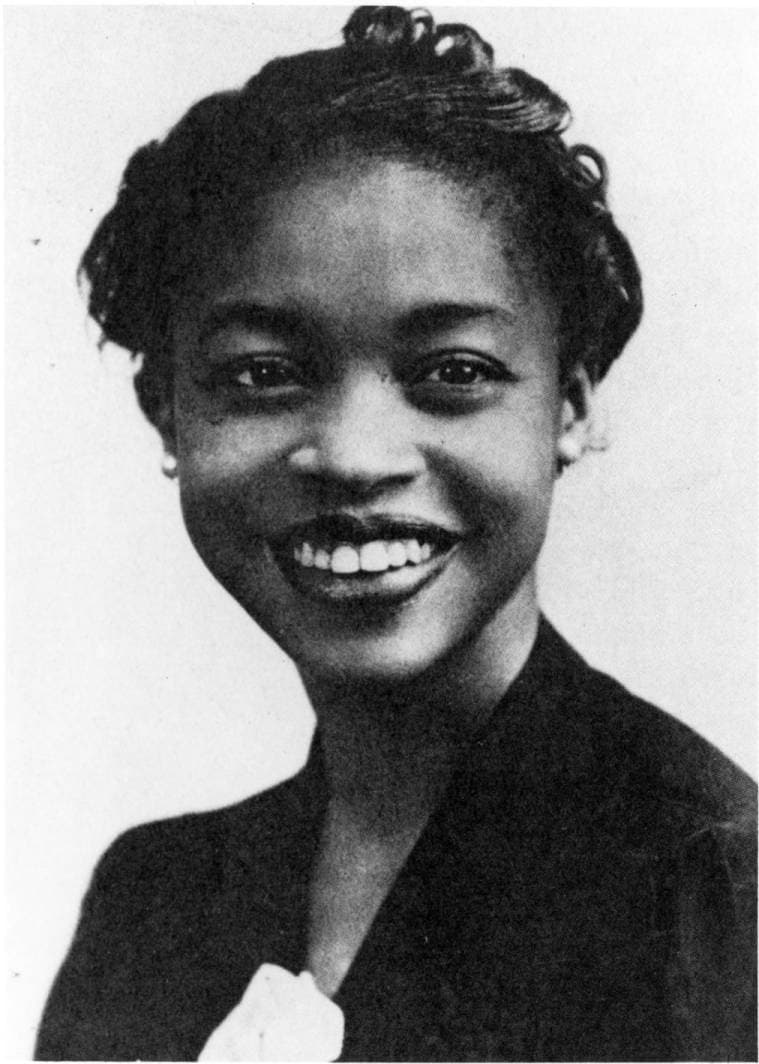
American · Literature · Activism
Margaret Walker
July 7, 1915 – November 30, 1998
Early Life and Background
Margaret Walker was born on July 7, 1915 in Birmingham, Alabama, to a family deeply rooted in a tradition of education and civil rights. Her father, Reverend Sigismund C. Walker, was a Methodist minister, and her mother, Marion Dozier Walker, was a music teacher. Raised in New Orleans, Walker was profoundly influenced by her parents' commitment to social justice and education. She attended Northwestern University, where she completed her undergraduate degree in 1935. This education instilled in her a desire to explore issues of race and history in her literary work.
Career Beginnings and Development
Walker's literary career began to flourish when she joined the Federal Writers' Project in 1936, where she was mentored by Richard Wright. Her exposure to the Harlem Renaissance's intellectual fervor inspired her poetic works. In 1942, she published her landmark poem "For My People," which won the Yale Series of Younger Poets Award, making her the first African American woman to receive this honor.
Major Works and Accomplishments
Walker's most significant work, "Jubilee," was published in 1966. A historical novel based on her own family history, it provides a vivid portrayal of the African American experience before, during, and after the Civil War. The novel is acclaimed for its blending of historical fact with fiction in telling the story of Vyry, a slave girl. Walker's blending of her literary talent with historical narratives helped cement her status as a crucial voice in 20th-century literature.
Awards, Honors, and Recognition
In addition to the Yale Series of Younger Poets Award, Walker received numerous accolades over her lifetime, including the Richard Wright Award for Literary Excellence in 1978. Her works continue to be studied and celebrated for their cultural and historical significance.
Personal Life
Margaret Walker married Firnist James Alexander in 1943 and had four children. Her marriage and family life were integral to her identity, balancing her roles as a mother and a writer during a pivotal time for African American literature and civil rights.
Legacy and Historical Impact
Walker's pioneering work in African American literature paved the way for future generations of black writers. Her writing addressed themes of racial injustice and resilience, inspiring a broader movement towards equality and representation in the arts.
Later Life and Death
Margaret Walker retired from teaching in 1979 but continued to write and lecture across the country. She passed away on November 30, 1998, leaving behind a legacy that continues to influence contemporary literature and social activism.
Dated achievements
1 indexed.
- Jul071915Literature
Birth of Margaret Walker
Margaret Walker was born on July 7, 1915, in Birmingham, Alabama.
View details Wikipedia