← All women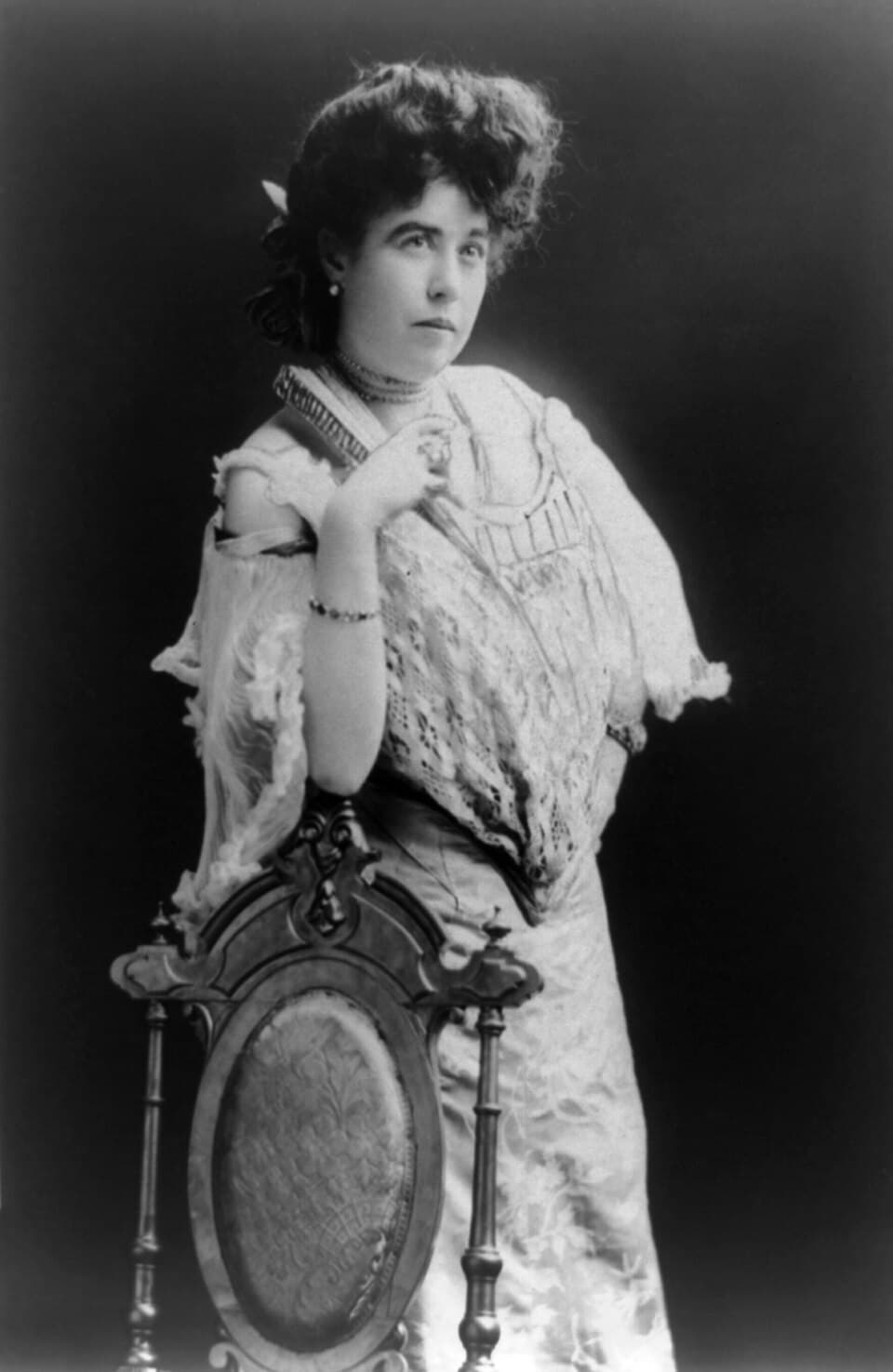
American · Activism · Exploration
Margaret Brown
July 18, 1867 – October 26, 1932
Early Life and Background
Margaret Brown, famously known as Molly Brown, was born on July 18, 1867, in Hannibal, Missouri, to John Tobin and Johanna Collins. The family was of Irish descent, and Molly was deeply influenced by her cultural heritage and the challenges faced by her immigrant parents. Growing up with several siblings, she developed resilience and a strong sense of family, which would later manifest in her philanthropic endeavors.
Career Beginnings and Development
Molly moved to Leadville, Colorado, at the age of 18, where she worked in a department store. It was in Leadville that she met and married James Joseph Brown, an enterprising mining engineer. This union brought her into considerable wealth after James's mining success. Molly used her newfound status to advocate for social causes, including labor rights, and women’s suffrage. Her efforts were part of a broader movement for social reform during the Progressive Era in the United States.
Major Works, Discoveries, or Accomplishments
Molly Brown’s most renowned act was her survival of the RMS Titanic disaster on April 15, 1912. During the fateful night, she helped others board lifeboats and famously urged the crew of Lifeboat No. 6 to return to search for survivors. This incident showcased her courage and leadership qualities in the face of disaster, earning her the moniker "The Unsinkable Molly Brown." She also actively raised funds for the survivors, further cementing her role as a compassionate leader.
Awards, Honors, and Recognition
Although Molly Brown did not formally receive awards during her lifetime, her legacy was posthumously honored through various avenues. Her life inspired several plays, books, and a Broadway musical that depicted her tenacity and activism. Brown’s endeavors in advocating for reforms and her brave actions aboard the Titanic have since been lauded as embodying the spirit of early 20th-century American activism.
Personal Life
Margaret and James Brown had two children, Lawrence Palmer and Catherine Ellen. Despite her marriage to James bringing her wealth and social standing, they amicably separated in 1909 over differing lifestyles and ambitions, though they remained in communication. She resided primarily in Denver, where she continued her societal work until her passing.
Legacy and Historical Impact
Molly Brown's legacy is immense, encompassing her contribution to social reforms and her indomitable spirit exemplified during the Titanic calamity. As an advocate for women’s rights, education, and labor reforms, she left a lasting impact on society. Her posthumous fame, chiefly through cultural portrayals, has immortalized her as a symbol of heroism and perseverance.
Later Life and Death
Molly Brown spent her later years traveling, engaging in activism, and promoting the arts. She passed away on October 26, 1932, in New York City, leaving behind a testament to human resilience and benevolence worthy of study and emulation. Her life remains a chapter of history that highlights the power of individual courage in the advancement of societal change.
Dated achievements
1 indexed.
- Jul181867Activism
Birth of Margaret 'Molly' Brown
Born in Hannibal, Missouri.
View details Margaret Brown - Biography