← All women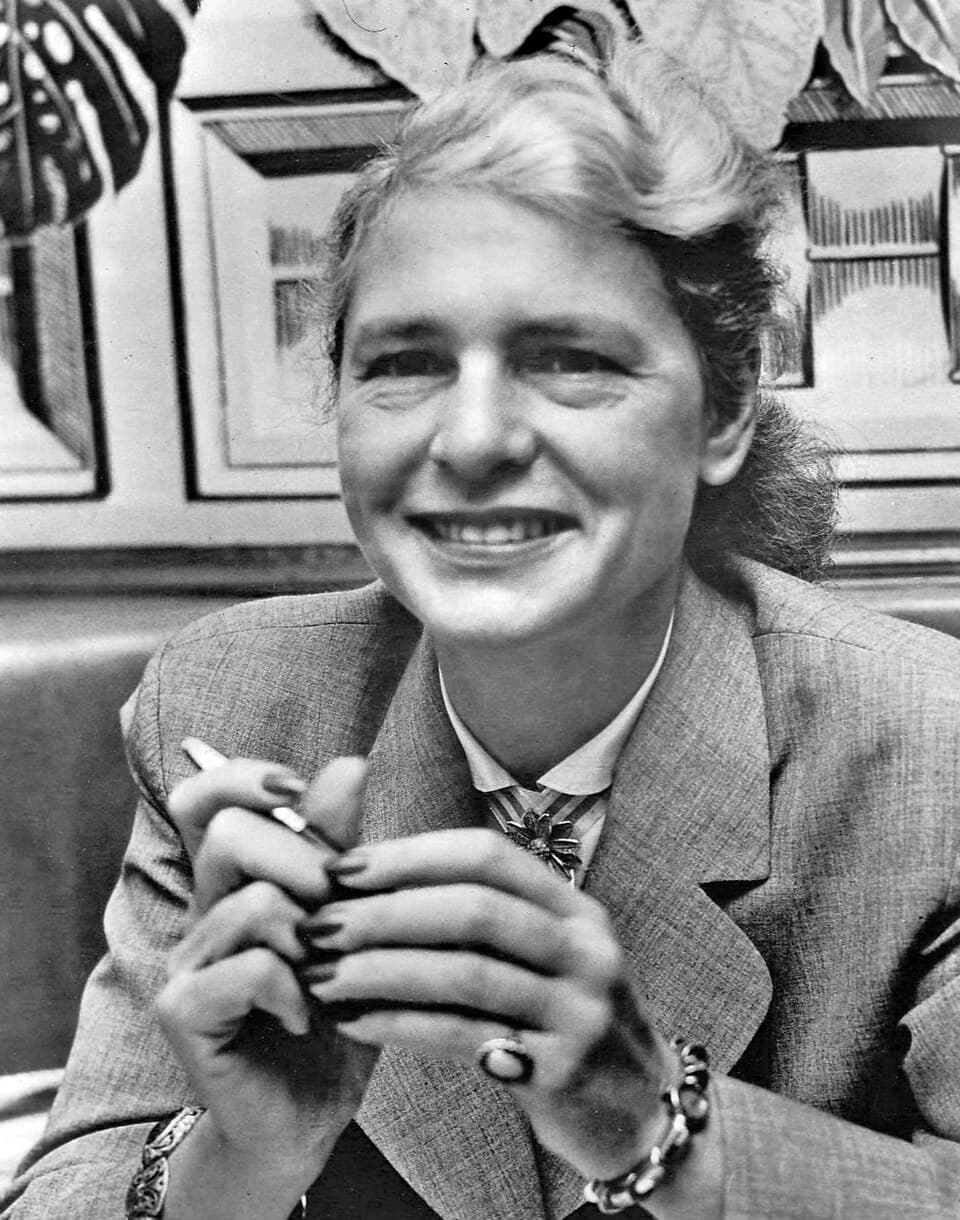
American · Arts
Margaret Bourke-White
June 14, 1904 – August 27, 1971
Early Life and Background
Margaret Bourke-White was born on June 14, 1904, in the Bronx, New York City, to Joseph White and Minnie Bourke. Her father was an engineer and inventor, while her mother was a homemaker. These influences nurtured her interest in technology and art. Margaret attended multiple universities, including Columbia University, Michigan Agricultural College (now Michigan State University), and Cornell University, where she graduated with a degree in biology in 1927.
Career Beginnings and Development
Bourke-White's career in photography began in earnest while she was still a college student. She opened a commercial studio in Cleveland, initially photographing architecture and industry. Her unique style attracted the attention of Henry Luce, who invited her to join his newly founded magazine, Fortune, in 1929, where she became known for her industrial photography.
Major Works and Accomplishments
Margaret Bourke-White's assignments took her around the globe. She was the first Western photographer allowed to document Soviet industry under the Soviet government's strict supervision. Her iconic photo of the Fort Peck Dam graced the cover of the first issue of Life magazine in 1936, marking a historic moment as the first female photographer to achieve this milestone.
During World War II, Bourke-White was the first woman accredited to cover combat zones. She covered the German invasion of the Soviet Union and was one of the first photographers to enter and record the horrors of Buchenwald and other concentration camps at the war's end.
Awards and Recognition
Margaret Bourke-White received numerous accolades throughout her career, including multiple honorary degrees and awards recognizing her trailblazing work in photojournalism. Her fearless approach and ability to capture poignant historical moments earned her a lasting legacy in the world of photography.
Personal Life
Bourke-White married twice, first to Everett Chapman in 1924; the marriage ended in divorce after two years. She later married and divorced the author Erskine Caldwell, with whom she collaborated on several books.
Legacy and Historical Impact
Margaret Bourke-White is remembered as a pioneer in her field, breaking barriers for women in photography and photojournalism. Her work continues to be celebrated for its fearless documentation of pivotal historical moments and its contribution to public awareness of world events during the 20th century.
Later Life and Death
In the later years of her life, Margaret Bourke-White focused on writing books and underwent treatment for Parkinson's disease. She passed away on August 27, 1971, in Stamford, Connecticut. Her memoir, "Portrait of Myself," remains a testament to her life and work.
Dated achievements
1 indexed.
- Jun141904Arts
Margaret Bourke-White's Birthday
Margaret Bourke-White was born on June 14, 1904, in the Bronx, NYC.
View details Encyclopedia Britannica