← All women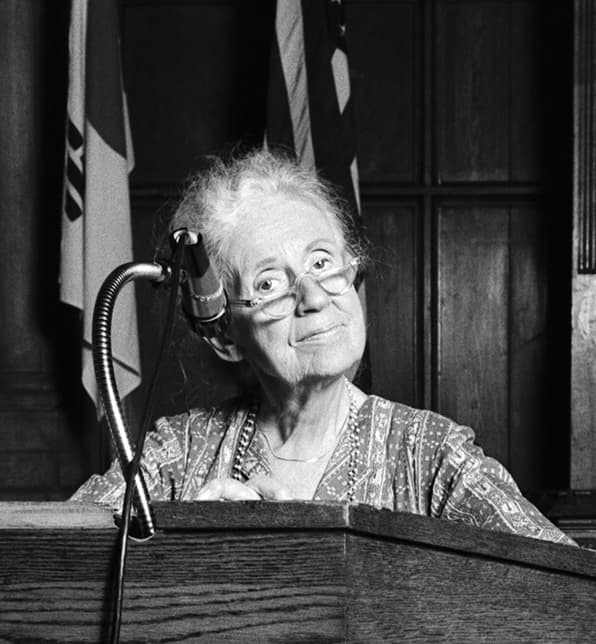
American · Activism
Maggie Kuhn
August 3, 1905 – April 22, 1995
Early Life and Background
Maggie Kuhn was born on August 3, 1905, in Buffalo, New York. Growing up in a progressive household, she was influenced by her family's commitment to social justice and their Presbyterian faith. Her formative years were marked by an exceptional education which included attendance at Columbia University, where she studied social work. The social upheaval of the early 20th century, including the Great Depression and World War II, deeply impacted her perspective on social equality and laid the foundation for her lifelong activism.
Career Beginnings and Development
Following her education, Kuhn worked with the Young Women's Christian Association (YWCA) and the United Presbyterian Church, where she was involved in social outreach programs. During these early career phases, she focused on helping young and older women navigate the challenges of society, particularly emphasizing the importance of women's roles during wartime.
Major Works and Accomplishments
In 1970, Kuhn was forced to retire from the Presbyterian Church due to their mandatory retirement policy at age 65. This led her to found the Gray Panthers, an organization aimed at combatting ageism and other social injustices. The Gray Panthers quickly gained prominence for their vocal advocacy on issues such as healthcare reform, ageism, and other social justice causes. Under Kuhn's leadership, the group emphasized intergenerational cooperation and tackled a broad spectrum of issues, highlighting the interconnectedness of social struggles across age groups.
Awards and Honors
Throughout her life, Maggie Kuhn was recognized for her trailblazing work. She was the recipient of numerous awards and honors, celebrating her unparalleled contribution to social activism. Her speeches and advocacy left a lasting legacy in public policy concerning the elderly and the advocacy against age-related discrimination.
Personal Life
Maggie Kuhn never married but was surrounded by a supportive network of friends, colleagues, and like-minded activists. Her personal life was a testament to her public philosophies, embodying inclusivity and empathy in her private interactions just as much as her professional endeavors.
Legacy and Historical Impact
Kuhn's legacy is that of a pioneering advocate for the elderly and a broader understanding of human rights. The Gray Panthers influenced both legislative change and cultural perceptions of aging, promoting a lasting change in how society views older adults. Her work ensured that the struggles of the older population were highlighted and addressed in social policy, leaving behind an organizational structure that continues to advocate for social justice.
Later Life and Death
Maggie Kuhn remained actively involved with the Gray Panthers until her passing. She died on April 22, 1995, in Philadelphia, leaving a legacy of advocacy and a vibrant movement that continued to champion social justice issues long after her death. Her life’s work remains a critical reference point for age-related advocacy and activism.
Dated achievements
3 indexed.
- Aug031905Activism
Born in Buffalo, New York
Margaret Eliza "Maggie" Kuhn was born on August 3, 1905, in Buffalo, New York, the eldest of two children.
View details Maggie Kuhn - Wikipedia - Aug161970Activism
Founded the Gray Panthers movement
Following her forced retirement, Kuhn organized a small group of retirees on August 16, 1970, which grew into the national Gray Panthers movement for elder rights.