← All women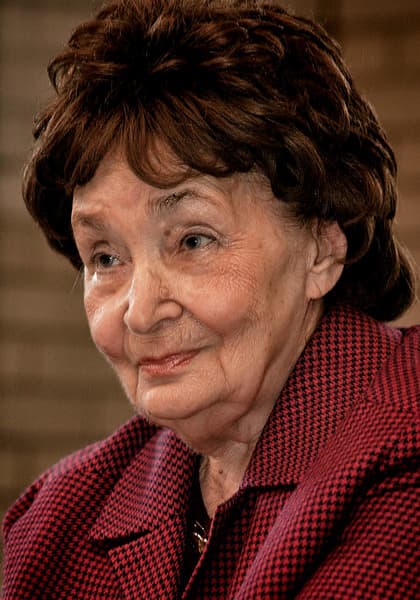
Hungarian · Literature
Magda Szabó
October 5, 1917 – November 19, 2007
Early Life and Background
Magda Szabó was born on October 5, 1917, in Debrecen, Hungary. She grew up in a family that fostered her intellectual and literary development, providing her with a strong foundation in the arts. Szabó attended the University of Debrecen, where she majored in Latin and Hungarian, allowing her to immerse herself in literature and language. Her academic pursuits and the cultural milieu of early 20th-century Hungary would greatly influence her literary voice.
Career Beginnings and Development
Magda Szabó began her career as a teacher before transitioning into a role in the Ministry of Education. During this time, she started writing poetry and made her literary debut with a collection of poems. However, her burgeoning career faced a setback during the political purges following World War II when her works were banned for political reasons.
Major Works and Accomplishments
Magda Szabó is best known for her novels, which include "The Door," "Abigail," and "Katalin Street." Released in 1987, "The Door" became her most internationally recognized work, earning critical acclaim for its exploration of the complex relationship between a writer and her housekeeper. This novel, alongside her other works, often dealt with themes of personal history and identity, showcasing the struggles and resilience of women amidst societal changes.
Awards, Honors, and Recognition
Throughout her career, Szabó received numerous awards recognizing her contribution to literature, including the Kossuth Prize in 1978, Hungary's highest literary honor. Her works were translated into multiple languages, extending her influence well beyond Hungarian borders. "The Door" was recognized worldwide, solidifying her position as an essential voice in European literature.
Personal Life
Magda Szabó married Tibor Szobotka, a writer and translator, forming a partnership that supported her literary career. Their marriage was a significant source of personal and professional support, providing a nurturing backdrop for her creative endeavors.
Legacy and Historical Impact
Magda Szabó's literary contributions extend beyond her novels to her role in shaping Hungarian literature's international presence. Her work resonates with readers across different cultures due to its universal themes of human connection and identity, making her a pivotal figure in modern literature. Szabó's ability to weave complex narratives that delve into the depths of human experience continues to influence writers and readers alike.
Later Life and Death
In her later years, Magda Szabó continued to write and participate in the literary community. She passed away on November 19, 2007, in Kerepes, Hungary. Her death marked the end of a prolific career that left a lasting impact on literature and cultural discourse worldwide.
Dated achievements
2 indexed.
- Oct051917Literature
Birth of Magda Szabó in Debrecen, Hungary
Magda Szabó was born on October 5, 1917, in Debrecen, Hungary, the city that would shape much of her literary imagination.
View details Magda Szabó - Wikipedia - Nov192007Literature
Death of Magda Szabó in Kerepes, Hungary
Magda Szabó died on November 19, 2007, in Kerepes, Hungary, at the age of 90, having become Hungary's most translated novelist.