← All women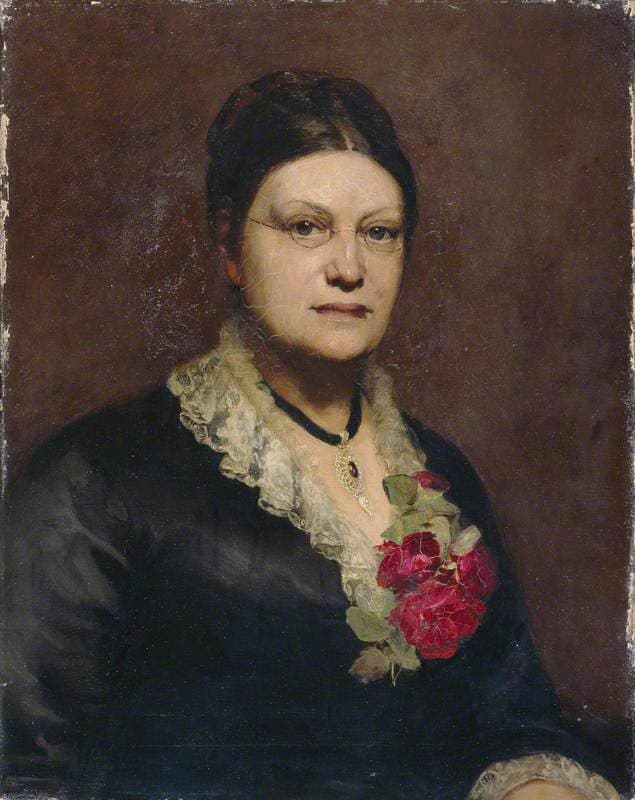
British · Politics · Activism
Lydia Becker
February 24, 1827 – July 18, 1890
Early Life and Background
Lydia Ernestine Becker was born on February 24, 1827, in Chadderton, Lancashire, England. She was the eldest daughter of Hannibal Becker, a chemist and industrialist. Lydia received her early education at home, instilled with a keen interest in science from her father’s scientific nature. Her grandfather’s library also exposed her to literature and progressive ideas, a platform which later enabled her advocacy for women's rights and opportunities.
Career Beginnings and Development
Becker's involvement in the suffrage movement began in earnest in 1866 after attending a meeting discussing female suffrage. Finding a profound resonance with the goals of the movement, she began to channel her efforts into advancing the status of women. An accomplished scholar despite her lack of formal schooling, Becker published 'Botany for Novices' in 1864 and corresponded with Charles Darwin, promoting science education for women.
Major Works, Discoveries, and Accomplishments
Recognized as a leader in activism, Lydia founded the 'Manchester Women's Suffrage Committee' in 1867, of which she served as secretary. Her most renowned contribution was founding the 'Women’s Suffrage Journal' in 1870, through which she posed intellectual arguments for women's political enfranchisement. Her leadership was instrumental in organizing the early petitions to Parliament seeking women's voting rights.
Awards, Honors, and Recognition
Though formal state recognitions were scarce for women's rights activists at the time, Becker's impact was acknowledged through her leadership roles in various suffrage societies. Repeatedly, her strategic and intellectually compelling campaigns contributed significantly to the education of the public and policymakers alike.
Personal Life
Despite her public prominence, Becker remained unmarried, a decision perhaps indicative of her focus on her role as an activist. Her personal life was largely intertwined with her public persona, drawing strength from her conviction towards women’s enfranchisement.
Legacy and Historical Impact
Becker’s legacy is entwined with the progress made towards women obtaining the right to vote in the UK. Her guidance and writings influenced subsequent generations of suffragists, laying groundwork for later victories. The enduring influence of the 'Women's Suffrage Journal' continued to rally support and unify efforts even after her passing.
Later Life and Death
In the last years of her life, Becker's health declined, yet she remained committed to her activist causes until her death from diphtheria in Aix-les-Bains, France, on July 18, 1890. Her commitment and pioneering efforts bestowed an indelible mark upon the movement for women's rights.
Dated achievements
1 indexed.
- Feb241827Activism
Birth of Lydia Ernestine Becker
Lydia Becker was born on February 24, 1827, in Chadderton, England.
View details Wikipedia