← All women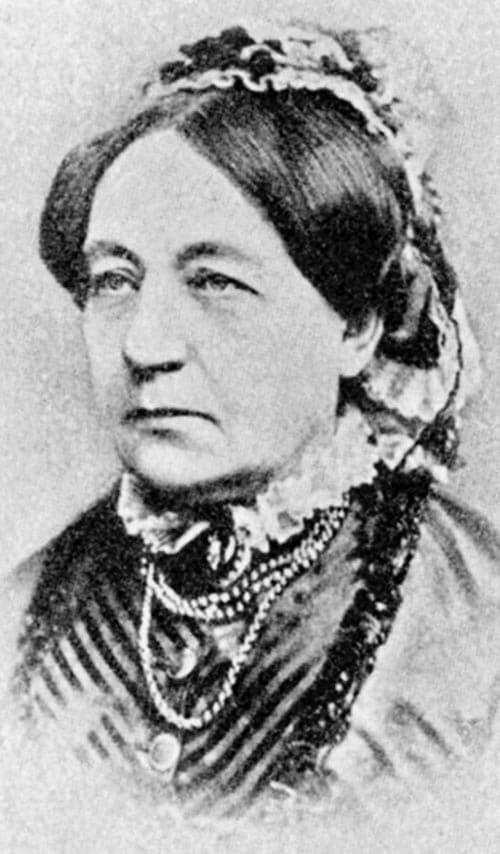
German · Literature · Activism
Louise Otto-Peters
March 26, 1819 – March 13, 1895
Early Life and Background
Louise Otto-Peters was born on March 26, 1819, in Meißen, Saxony. She grew up in a politically active family that was deeply involved in liberal and progressive movements of the time, which significantly influenced her later decisions and commitments to social causes. Otto received an education that was rare for women in her era, instilling in her a lifelong passion for literature and social justice.
Career Beginnings and Development
From an early age, Otto demonstrated a remarkable talent for writing and started her career contributing fiction and politically charged essays to various publications. Her early works focused on the conditions of the working class and the plight of women, laying the groundwork for her lifelong dedication to women's emancipation.
Major Works, Discoveries, and Accomplishments
In 1848, Otto-Peters founded the "Frauen-Zeitung", a revolutionary newspaper that served as a platform for the advancement of women's rights. This was a significant move during a time when such topics were met with hostility. Over time, Otto became a central figure in Germany's burgeoning women's movement.
Awards, Honors, and Recognition
While Otto-Peters did not receive formal awards during her lifetime, her work was widely recognized posthumously. Numerous feminist organizations and academic studies have honored her contributions to women's advocacy. Her efforts paved the way for later generations of feminists in Germany.
Personal Life
In 1858, Otto married August Peters, a fellow writer and ardent supporter of her work. Together, they collaborated on various projects aimed at improving social conditions in Germany. The couple shared a deep intellectual partnership, which was critical to Otto's success in an era where women rarely published under their own names.
Legacy and Historical Impact
Otto-Peters' legacy is profound, marking her as a foundational figure in German feminism. Her writings and activism initiated broader conversations about women's roles in society, education, and the workforce. Many contemporary movements and institutions, like the Louise Otto-Peters Society, continue to honor her influence and mission.
Later Life and Death
In her later years, Otto-Peters continued to write and promote social causes until her health declined. She passed away on March 13, 1895, in Leipzig, leaving behind a legacy of advocacy and reform that would inspire future generations of feminists not only in Germany but worldwide.
Dated achievements
2 indexed.
- Mar261819Activism
Birth of Louise Otto-Peters
Louise Otto-Peters was born on March 26, 1819, in Meißen, Saxony.
View details Louise Otto-Peters - Wikipedia - Mar131895Activism
Death of Louise Otto-Peters
Louise Otto-Peters passed away on March 13, 1895, in Leipzig.
View details