← All women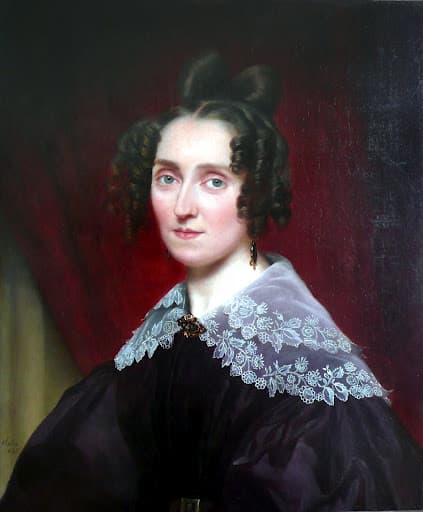
French · Arts
Louise Ferrenc
May 31, 1804 – September 15, 1875
Early Life and Background
Louise Farrenc was born Jeanne-Louise Dumont on May 31, 1804, in Paris, France. Her family was deeply entrenched in the arts; her father, Jacques-Edme Dumont, and her grandfather were both notable sculptors. This artistic environment provided fertile ground for her musical talents, which were nurtured from a young age. Her early education in music was comprehensive, beginning with piano lessons at the age of six. She soon displayed a prodigious talent, setting the stage for her future as a composer and musician.
Career Beginnings and Development
Farrenc continued her education at the Paris Conservatoire, where she studied under Anton Reicha, a prominent music theorist and composer. At 15, she married Aristide Farrenc, a flautist and music publisher, which allowed her greater access to the world of professional music. Her compositions quickly earned recognition for their innovation and emotional depth. By the 1830s, Farrenc's works were being published and performed, distinguishing her as one of few female composers in France with such acclaim.
Major Works and Accomplishments
Farrenc composed numerous symphonies, chamber works, and piano pieces, with her "Nonet, Op. 38," completed in 1849, being particularly celebrated. This composition gained the respect of her peers and was notably performed by some of the leading musicians of the time. Her "Symphony No. 3 in G minor" is another significant work, showcasing her mastery of orchestral writing and earning her a place in the canon of Romantic-era composers.
Awards, Honors, and Recognition
Despite the challenges of being a female composer in the 19th century, Farrenc achieved remarkable success. In 1842, she was appointed a Professor of Piano at the Paris Conservatoire. She was the only woman in the 19th century to hold such a position in this leading institution, where she taught for 30 years. Her efforts in the realms of performance and composition gained her respect, though institutional acknowledgment was limited due to her gender.
Personal Life
Louise's marriage to Aristide Farrenc was a partnership grounded in mutual respect and shared artistic ambition. They collaborated on music publications, and their home became a salon for artists and musicians in Paris. The couple had one daughter, Victorine Farrenc, who died at a young age, a tragedy that deeply affected Louise.
Legacy and Historical Impact
Louise Farrenc was not only an accomplished composer but also a pioneer for gender equality in music. Her demand for equal pay at the Conservatoire set a precedent, spotlighting gender inequities that persist in the arts. Her work has experienced a renaissance in recent years, with many of her compositions being rediscovered and performed.
Later Life and Death
Farrenc retired from the Conservatoire in 1873 and spent her later years in Paris. She continued to compose and advocate for music education until her death on September 15, 1875. Farrenc left behind a legacy as a trailblazer for future generations of women composers.
Dated achievements
3 indexed.
- May311804Arts
Birth of Jeanne-Louise Dumont in Paris
Born Jeanne-Louise Dumont on 31 May 1804 in Paris, into a family of sculptors, beginning a life that would make her one of the era's leading composers.
View details Louise Farrenc - Wikipedia - May151842Arts
Appointed permanent Professor of Piano at the Paris Conservatoire
On 15 May 1842, Farrenc was appointed to a permanent piano professorship at the Paris Conservatoire, a position she held for three decades as the only woman on its faculty.