← All women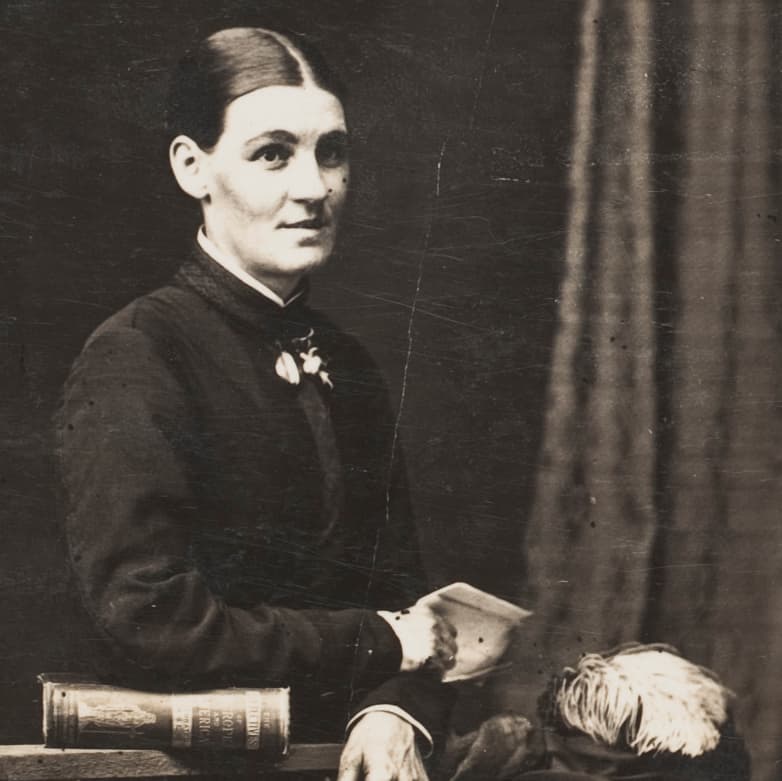
Australian · Activism · Literature
Louisa Lawson
February 17, 1848 – August 12, 1920
Early Life and Background
Louisa Albury Lawson was born on February 17, 1848, in Mudgee, New South Wales, Australia. She was the fourth of 12 children in the Albury family. Despite the limited educational opportunities available to women at the time, Lawson was a voracious reader and developed a lifelong passion for literacy and learning. Her early life in rural Australia, marked by the challenges of a large family and the death of her father, shaped her resilience and awareness of social inequalities.
Career Beginnings and Development
In 1866, Louisa married Peter Lawson, and they moved to the goldfields in Gulgong. The couple had five children, including the celebrated Australian poet, Henry Lawson. After separating from her husband in 1883, she moved to Sydney, where she became deeply involved in social reform activities. Realizing the power of the press, Louisa Lawson began publishing her own poetry and noticed the lack of women’s voices in media.
Major Works and Accomplishments
In May 1888, Lawson used her savings to establish 'The Dawn,' the first newspaper in Australia owned and operated by women. 'The Dawn' became a platform for advocating women's suffrage, equal pay, and education, and it served as a critical voice for the burgeoning feminist movement in Australia. The newspaper operated for 17 years, producing monthly editions that challenged societal norms and provided educational articles on subjects relevant to women.
In addition to 'The Dawn,' Lawson was involved with the Womanhood Suffrage League of New South Wales, serving as vice-president. Through her publications and public speaking, she campaigned tirelessly for the right to vote, playing a crucial role in the eventual enfranchisement of women in Australia.
Awards, Honors, and Recognition
Although she received no formal awards during her lifetime, Louisa Lawson's pioneering work laid the groundwork for significant social reforms in Australia. Her efforts were later recognized posthumously, as she became a celebrated figure in Australian history and feminism. In 1941, a suburb in Canberra was named 'Lawson' in her honor, symbolizing her lasting impact.
Personal Life
Louisa Lawson's personal life was marked by both struggle and strength. Her marriage to Peter Lawson was turbulent, and she raised her children largely as a single mother. Her son, Henry Lawson, became one of Australia's most famous writers, undoubtedly influenced by his mother's literary and activist prowess. Despite financial hardships, Louisa remained steadfast in her social advocacy.
Legacy and Historical Impact
Louisa Lawson is remembered as a trailblazer in women's rights in Australia. Her leadership in publishing and activism provided a voice to women when society offered them little agency. 'The Dawn' not only set a precedent for female-operated media but also catalyzed conversations on equality and suffrage, which contributed to significant legislative changes.
Later Life and Death
In her later years, Lawson continued to write and advocate for social causes, though her involvement waned due to declining health and financial struggles. Louisa Lawson died on August 12, 1920, in Gladesville, New South Wales. Her legacy lives on as a pioneer for women's rights and media representation in Australia.
Dated achievements
2 indexed.
- Feb171848Activism
Birth of Louisa Lawson
Louisa Lawson was born on February 17, 1848, in Mudgee, New South Wales, Australia.
View details Australian Dictionary of Biography - Aug121920Activism
Death of Louisa Lawson
Louisa Lawson died on August 12, 1920, in Gladesville, New South Wales.
View details