← All women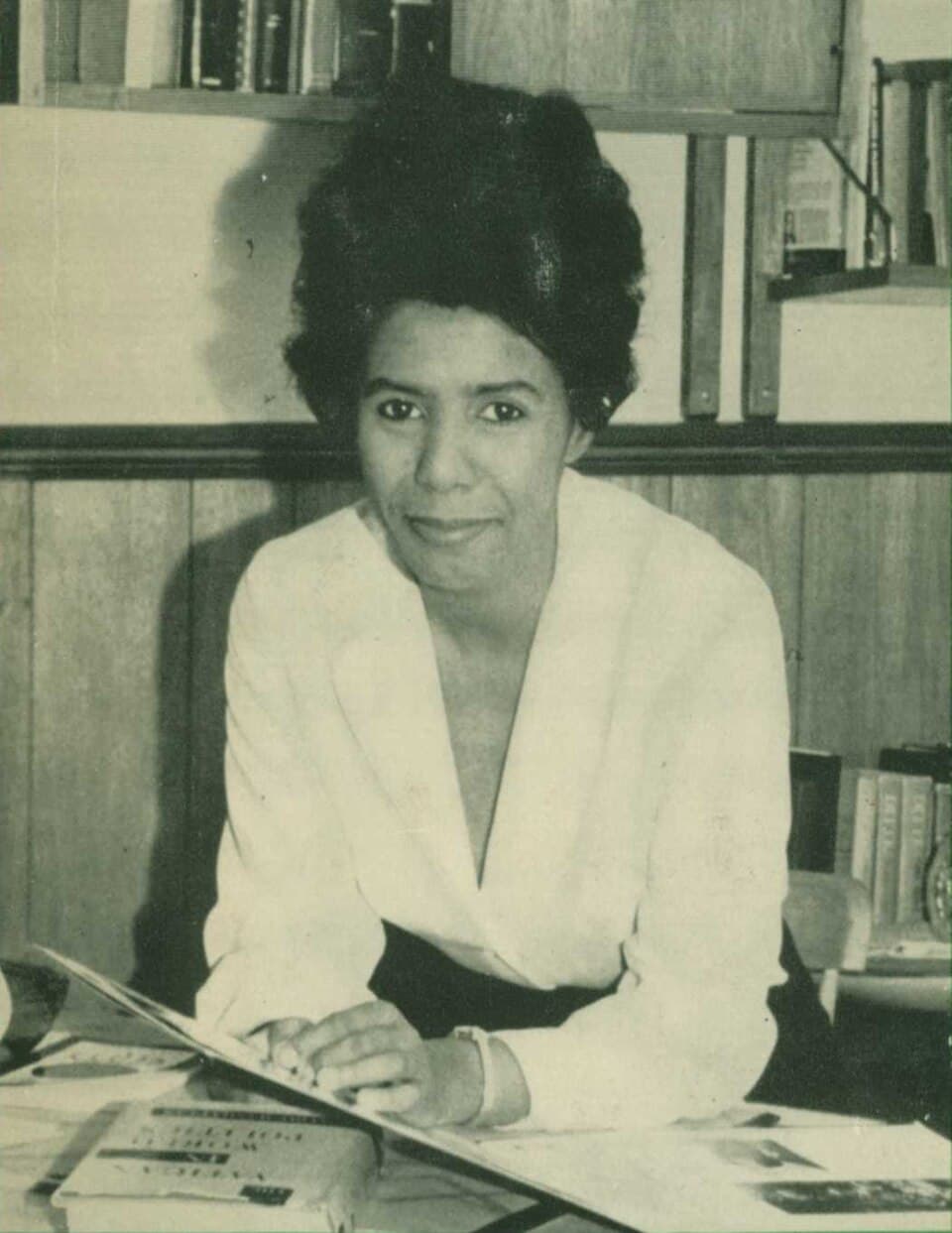
American · Literature · Activism · Arts
Lorraine Hansberry
May 19, 1930 – January 12, 1965
Early Life and Background
Lorraine Vivian Hansberry was born on May 19, 1930, in Chicago, Illinois, to Carl Augustus Hansberry, a prominent real estate broker and civil rights activist, and Nannie Louise Perry, a schoolteacher. The youngest of four children, Lorraine's early life was steeped in activism and social consciousness due to her family's involvement in the fight against racial segregation. Her father's legal battle against racially discriminatory housing policies reached the Supreme Court in 1940. This deeply influenced Hansberry's understanding of racial injustice and her future writings.
Career Beginnings and Development
Hansberry attended the University of Wisconsin-Madison but left after two years to pursue writing in New York City. Her early career included working for the Black newspaper, Freedom, under the mentorship of noted intellectual W.E.B. Du Bois. Here, she honed her skills and became engaged in civil rights and feminist movements.
Major Works, Discoveries, and Accomplishments
Lorraine Hansberry achieved historical recognition with her first major play, A Raisin in the Sun, which opened on Broadway on March 11, 1959. This groundbreaking play was the first by an African American woman to be performed on Broadway and was awarded the New York Drama Critics' Circle Award for Best Play. The play, drawing its title from Langston Hughes' poem "Harlem," explores the struggles of a Black family on the South Side of Chicago as they attempt to escape poverty and achieve their dreams against the backdrop of societal racial inequalities.
Hansberry's other significant works include The Sign in Sidney Brustein's Window, depicting contemporary political and social life, and several unfinished pieces released posthumously.
Awards, Honors, and Recognition
Hansberry was posthumously awarded the New York Drama Critics' Circle Award for A Raisin in the Sun. Her work and contributions have been further acknowledged in numerous adaptations and revivals, as well as scholarly discussions on race and gender issues in literature.
Personal Life
In 1953, Lorraine Hansberry married Robert Nemiroff, a songwriter and publisher. Although they divorced in 1962, the two maintained an intellectual and professional partnership. Her personal life included discreet involvement with various feminist and LGBTQ circles, contributing to discussions on gender and sexuality.
Legacy and Historical Impact
Lorraine Hansberry's legacy extends beyond her role as a playwright. She was a pivotal figure in both literature and civil rights, advocating for the transformative power of art to foster social change. Her works continue to resonate, inspiring numerous adaptations and discussions on racial equity and gender issues. The Lorraine Hansberry Theatre in San Francisco is named in her honor, emblematic of her enduring influence on American culture.
Later Life and Death
Lorraine Hansberry's promising career was cut short by her death from pancreatic cancer on January 12, 1965. Her funeral was attended by luminaries in the civil rights movement, including Martin Luther King Jr. and James Baldwin, emphasizing her prominent role in the fight for equality. Though her life was brief, Hansberry's impact endures through her writings, which continue to inspire new generations.
Dated achievements
1 indexed.