← All women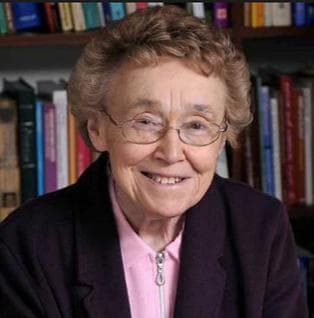
British · Medicine
Lorna Wing
October 7, 1928 – June 6, 2014
Early Life and Background
Lorna Gladys Wing was born on October 7, 1928, in Gillingham, Kent, England. She grew up in a family that valued education and intellectual pursuit, which significantly shaped her path into psychiatry. She attended Newnham College, Cambridge, where she initially pursued a degree in medicine. It was at Cambridge that Wing began to develop her interest in psychiatry.
Career Beginnings and Development
After completing her medical training, Wing began her career in psychiatry. Her interest in autism was ignited after her daughter, Susie, was diagnosed with the condition. This personal experience drove her to deepen her study and understanding of autism, which was then a poorly understood condition.
Major Works, Discoveries, or Accomplishments
Wing's most significant contributions to psychiatry were her research and publications on autism. During the 1970s and 1980s, she collaborated with other experts to broaden the understanding of autism as a spectrum, rather than a single condition, which was a groundbreaking realization at the time. Her work led to the introduction of the term 'Asperger syndrome,' now recognized worldwide, describing high-functioning individuals on the autism spectrum.
Her seminal paper, "Autistic Children: A Guide for Parents," published in 1971, provided essential insights and support for families. Wing's establishment of the National Autistic Society in the UK further spearheaded advancements in autism research and advocacy.
Awards, Honors, and Recognition
Lorna Wing's contributions earned her multiple accolades, including an honorary fellowship from the British Psychological Society. She was widely revered within medical circles for her compassionate and insightful approach to psychiatry.
Personal Life
Wing married fellow psychiatrist John Wing, with whom she collaborated professionally. Their partnership was both personal and professional, significantly impacting advancements in mental health research. They had a daughter, Susie, whose diagnosis with autism personally inspired much of Wing's professional path.
Legacy and Historical Impact
Wing's legacy in psychiatry and autism research is vast. By expanding the understanding of autism as a spectrum, she influenced global diagnostic criteria, shaping how health professionals worldwide understand and support individuals with autism. Her advocacy provided a crucial voice for families and patients, significantly increasing public awareness and understanding of autism.
Later Life and Death
Lorna Wing continued to contribute to autism research and advocacy well into her later years, although she gradually reduced her professional commitments. She passed away on June 6, 2014, leaving a lasting impact on psychiatry and the lives of countless individuals and families affected by autism.
Dated achievements
2 indexed.
- Oct071928Medicine
Lorna Wing's Birth
Lorna Wing was born in Gillingham, Kent, England, marking the birth of a future pioneer in autism research.
View details Lorna Wing: a pioneering psychiatrist who transformed our understanding of autism - Jun062014Medicine
Death of Lorna Wing
Lorna Wing, a remarkable figure in psychiatry, passed away, leaving a transformative legacy in autism research.