← All women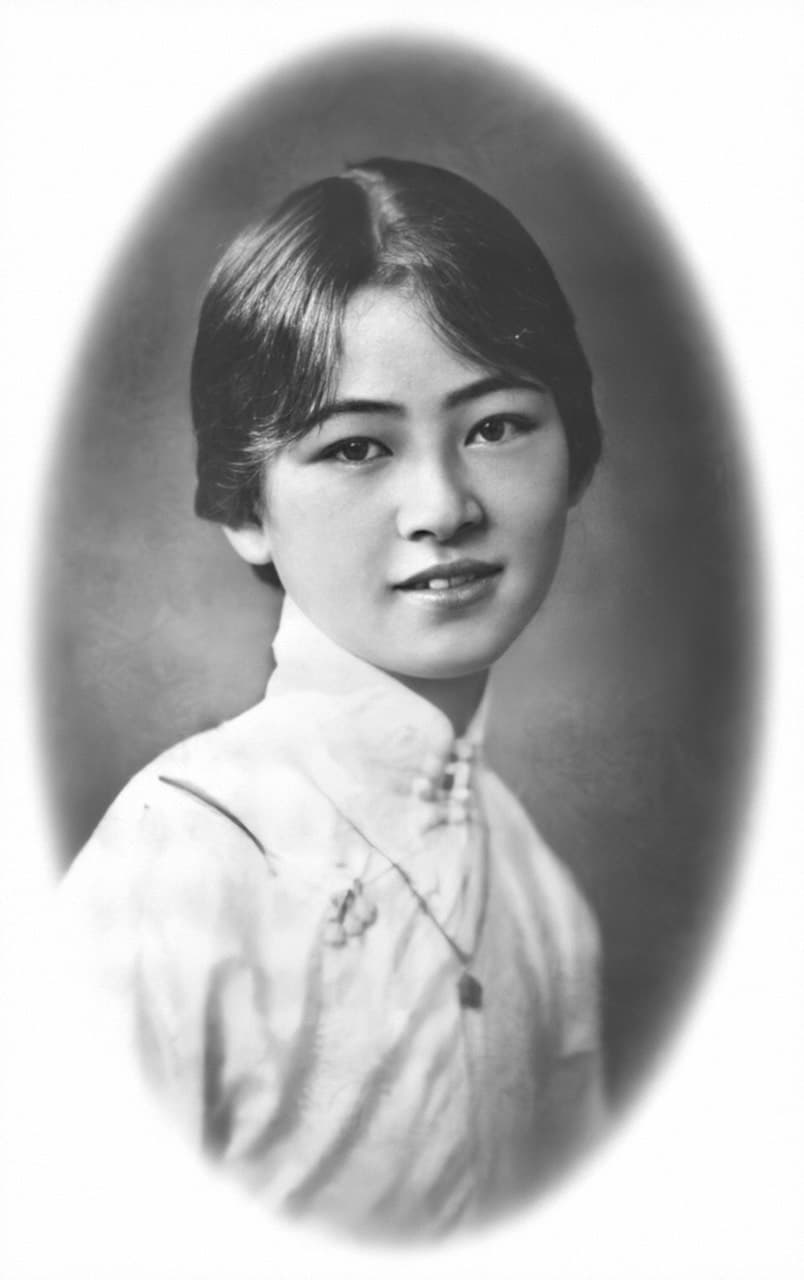
Chinese · Arts · Literature
Lin Huiyin
June 10, 1904 – April 1, 1955
Early Life and Background
Lin Huiyin was born on June 10, 1904, in Hangzhou, Zhejiang, to a prominent and progressive family. She spent her formative years with a deep exposure to traditional Chinese culture and Western education. Her father, Lin Changmin, was a notable diplomat, enabling Lin to receive a rich educational experience. In the 1920s, Lin moved to the United States, where she attended the University of Pennsylvania and the Yale School of Fine Arts, broadening her architectural knowledge and artistic skills.
Career Beginnings and Development
Upon her return to China, Lin Huiyin became actively involved in architectural studies and cultural preservation. She co-founded the China Construction Society and worked tirelessly to blend Chinese architectural styles with modern techniques. During this period, she collaborated with her husband, Liang Sicheng, on numerous projects focusing on conserving traditional Chinese architecture.
Major Works, Discoveries, and Accomplishments
Lin Huiyin was instrumental in designing the Chinese national emblem and the Monument to the People's Heroes. Her most notable contributions, however, include her efforts in the preservation of historic sites. She played a crucial role in documenting ancient structures in China, writing extensively to protect them from destruction. Her academic work laid the groundwork for future architectural conservation efforts in China.
Awards, Honors, and Recognition
While Lin Huiyin did not live to receive significant posthumous recognitions during her lifetime, her legacy as China's first female architect is highly celebrated. She is widely revered for her pioneering approaches and has been featured in various literary works and subject of cultural tributes.
Personal Life
Lin Huiyin married Liang Sicheng in 1928, and together they had two children. Their partnership was a cornerstone of Lin's professional endeavors, and they significantly contributed to Chinese architectural heritage studies. Besides her seminal work in architecture, Lin was a poet and writer, blending her artistic interest with her professional career.
Legacy and Historical Impact
Lin Huiyin’s contributions to architectural conservation have deeply impacted the field in China. Her advocacy for preserving China's historic sites paved the way for future generations of architects and scholars dedicated to this cause. Her multidisciplinary approach, merging arts and architecture, set a unique standard and is celebrated by architects and historians alike.
Later Life and Death
Lin Huiyin's health began to decline in the late 1940s. Despite her physical challenges, she continued to work until her death on April 1, 1955. Her life's work continues to inspire and guide cultural heritage initiatives throughout China and beyond. Lin's enduring influence is evident in the numerous landmarks and historical structures preserved due to her advocacy.
Dated achievements
2 indexed.
- Jun101904Arts
Birth of Lin Huiyin
Lin Huiyin was born on June 10, 1904.
View details Lin Huiyin - Famous Birthdays - Apr011955