← All women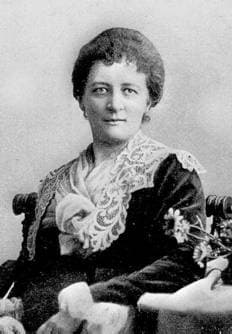
German · Activism · Literature
Lily Braun
July 2, 1865 – August 8, 1916
Early Life and Background
Lily Braun was born on July 2, 1865, in Halberstadt, Germany, into an aristocratic family. Her father, Hans von Kretschmann, was a Prussian general, and her mother, Jenny von Gustedt, was a woman of strong intellectual power. Raised in a privileged environment, Braun was exposed to progressive ideas early on, notably through her contact with Rosa Luxemburg and Clara Zetkin, influential feminists and socialists of the time.
Career Beginnings and Development
In her early career, Braun was a teacher and a writer, contributing articles to various newspapers and journals advocating for women’s rights. Her literary pursuits aligned closely with her political activities, as she became actively involved in the Social Democratic Party of Germany (SPD), which was instrumental in shaping her reformist outlook. Her writings focused on highlighting issues such as female education, women's suffrage, and working women's rights.
Major Works, Discoveries, or Accomplishments
One of Braun's most significant contributions was her advocacy for women's economic independence, resulting in her influential book, "Die Frauenfrage," published in 1901. This work challenged traditional gender norms and called for reforms in women's vocational training and employment opportunities. She was a pioneering voice in bringing the issues of working-class women to the forefront.
Awards, Honors, and Recognition
Though not formally awarded, Braun’s advocacy left a lasting impact on the feminist movement in Germany. Her writings and public speeches inspired many and led to heightened awareness and eventual legislative changes concerning gender equality.
Personal Life
Lily Braun married Heinrich Braun, a noted physician and fellow socialist, whose political and social beliefs aligned closely with her own. Their marriage was not just a personal union but also a partnership geared towards social reform. Together, they worked on various social and political initiatives aimed at improving the living conditions of the working class.
Legacy and Historical Impact
Historically, Braun is remembered as one of the foundational feminists who laid the groundwork for subsequent movements. Her efforts for social justice, women's rights, and economic reforms were significant in progressing gender equality discussions in Germany. Her writings remain a critical resource for understanding early feminist thought and the socio-political landscape of late 19th-century Germany.
Later Life and Death
In her later years, Braun continued to be a prominent figure for women's rights until her death on August 8, 1916, in Berlin. Her passing marked the loss of a profound activist whose ideas continue to resonate within feminist and socialist circles as monumental to progressing women's issues.
Dated achievements
2 indexed.
- Jul021865Literature
Birth of Lily Braun
Lily Braun was born on July 2, 1865, in Halberstadt, Germany.
View details Britannica Biography of Lily Braun - Aug081916Activism
Death of Lily Braun
Lily Braun passed away on August 8, 1916, in Berlin, Germany.
View details