← All women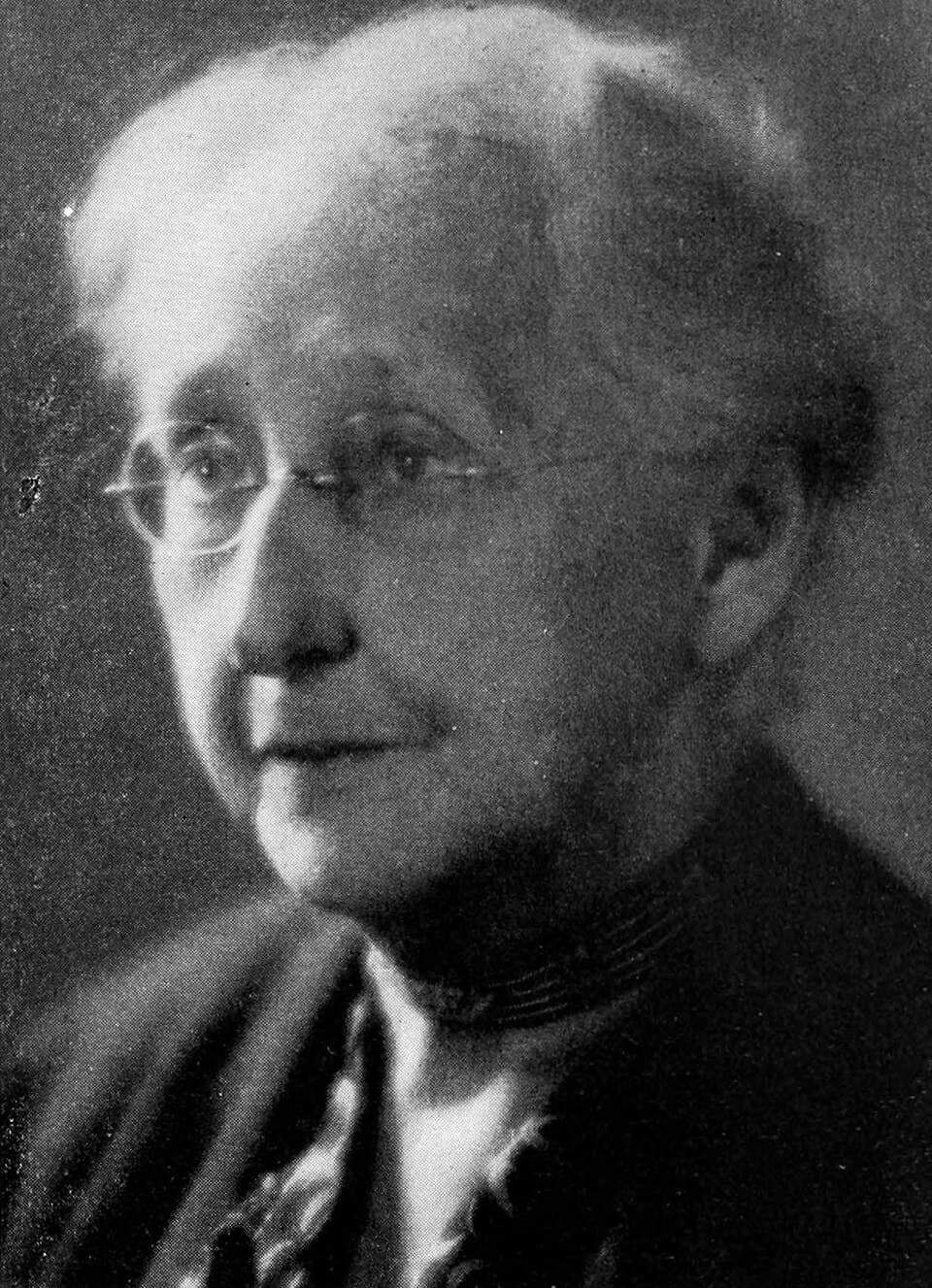
American · Science · Medicine
Lillien Jane Martin
July 7, 1851 – March 26, 1943
Early Life and Background
Lillien Jane Martin was born on July 7, 1851, in Olean, New York. Raised in a time when educational opportunities for women were limited, Martin was determined to pursue her academic ambitions. Her family supported her goals, which fostered her tenacity and passion for learning. She attended Vassar College, one of the few institutions open to women at the time, where she graduated with a degree in 1880. Her early influences included her instructors and mentors, who encouraged her interest in psychology.
Career Beginnings and Development
After graduation, Martin began teaching in various schools, keen on reforming educational practices. She focused on incorporating psychological principles into teaching methods, believing strongly in the role of psychology in education. In 1894, she moved to Berlin to study with eminent psychologists including Hermann Ebbinghaus, enhancing her understanding of the human mind.
Upon returning to the United States, Martin joined the faculty at Stanford University in 1899, becoming one of the first women in the country to hold a professorship in psychology. Her work at Stanford was groundbreaking, particularly her research in child psychology and educational methods.
Major Works, Discoveries, or Accomplishments
Martin's research contributed significantly to the fields of gerontology and child psychology. She was a fierce advocate for mental health and believed in the continuous learning and intellectual stimulation of older adults. One of her notable works includes her studies on the cognitive development of children, challenging prevailing educational theories and advocating for methods that favored mental growth over rote learning.
Awards, Honors, and Recognition Received
Throughout her career, Martin received numerous accolades recognizing her contributions to psychology and education. She was a fellow of the American Psychological Association and was celebrated for her advocacy in bridging psychology with education and mental health.
Personal Life
Martin never married and instead dedicated her life to her career and passion for psychology. Her decision to remain single was noteworthy, as it allowed her to focus entirely on her professional aspirations during an era when women were often expected to subordinate their careers to family life.
Legacy and Historical Impact
Martin's legacy lies in her pioneering role within psychology, particularly in the study of aging and education. She challenged norms, broke gender barriers, and paved the way for future generations of women in academia. Her work in promoting elderly mental wellness and active aging remains influential to this day, as does her advocacy for child-centered educational practices.
Later Life and Death
In the later years of her life, Martin continued her advocacy for the elderly, founding a clinic for aged persons, which provided psychological services. She passed away on March 26, 1943, leaving behind a rich legacy of bravery, innovation, and advocacy in her field.
Dated achievements
2 indexed.
- Jul071851Science
Birth of Lillien Jane Martin
Lillien Jane Martin was born on July 7, 1851, in Olean, New York.
View details Wikipedia - Mar261943