← All women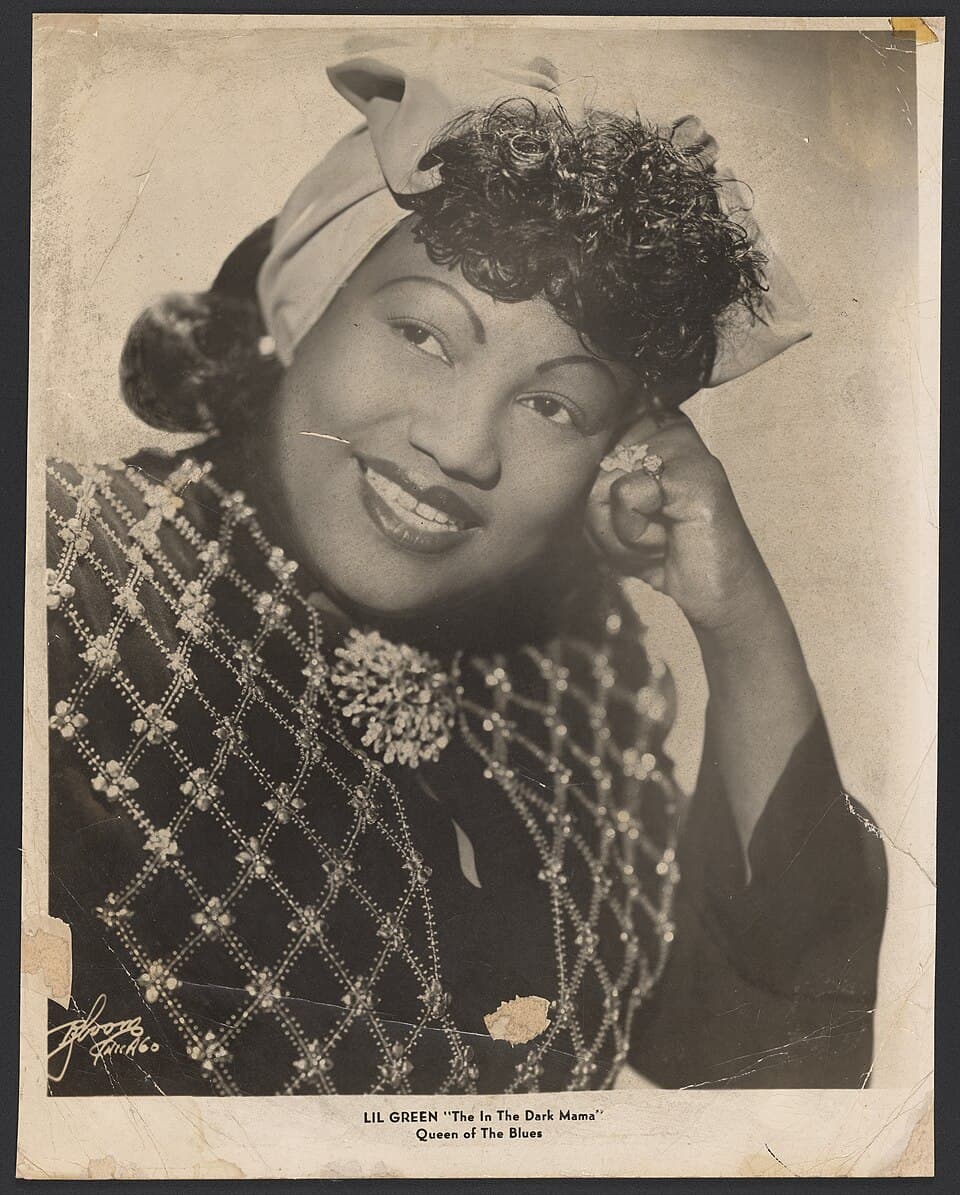
American · Arts
Lillian "Lil" Green
1919 – April 14, 1954
Early Life and Background
Lillian "Lil" Green was born in 1919, in Mississippi, USA. As a child, she was surrounded by rich musical traditions, laying the groundwork for her future in music. Her early experiences in church and her exposure to blues paved the way for her professional career. There is limited documentation regarding her formal education, but clearly, her real education came from immersing herself in the vibrant African American music scene.
Career Beginnings and Development
Green moved to Chicago in her teens, a city bustling with jazz and blues influences. Her professional music career began in the late 1930s, with performances in local clubs, where she quickly gained attention for her distinct voice and compelling performances. Her journey through the Chicago clubs was instrumental in establishing her style and reputation.
Major Works, Discoveries, or Accomplishments
One of her most significant achievements came with the song "Romance in the Dark," recorded in 1940, which became a popular hit. This success led to her association with Bluebird Records, a stepping stone that brought her broader recognition. Green's rendition of "Why Don't You Do Right?," later covered by Peggy Lee, remains one of her lasting legacies, showcasing her significant influence in blues and early jazz.
Awards, Honors, and Recognition Received
Though she did not receive major awards during her lifetime, Green's work was highly regarded among her peers and continues to be celebrated in blues history. Her records, particularly during the 1940s, were widely popular and underscore her contributions to the blues genre.
Personal Life
Lil Green's personal life remains somewhat elusive in historical records. While she was known for her strong musical presence, details on her private life, including marriage or children, aren't well documented, often overshadowed by her professional endeavors.
Legacy and Historical Impact
Green's influence extends beyond her music; she opened doors for subsequent female blues vocalists and songwriters. Despite her career's brevity, her emotive vocal style and poignant songs left an indelible mark on blues music. Cover versions of her songs by artists like Peggy Lee highlight her lasting impact and reinforce her role in shaping the genre.
Later Life and Death
Green's promising career was tragically cut short when she died on April 14, 1954. Although she did not live to see her legacy fully recognized, her music remains influential. Posthumously, her work receives scholarly attention and enjoys a presence in collections of classic blues recordings, securing her place in music history.
Dated achievements
1 indexed.
- Apr141954Arts
Death of Lil Green
Lil Green passed away on April 14, 1954, leaving a legacy in the blues genre.
View details Why Did Blues Singer Lil Green End Up Forgotten?