← All women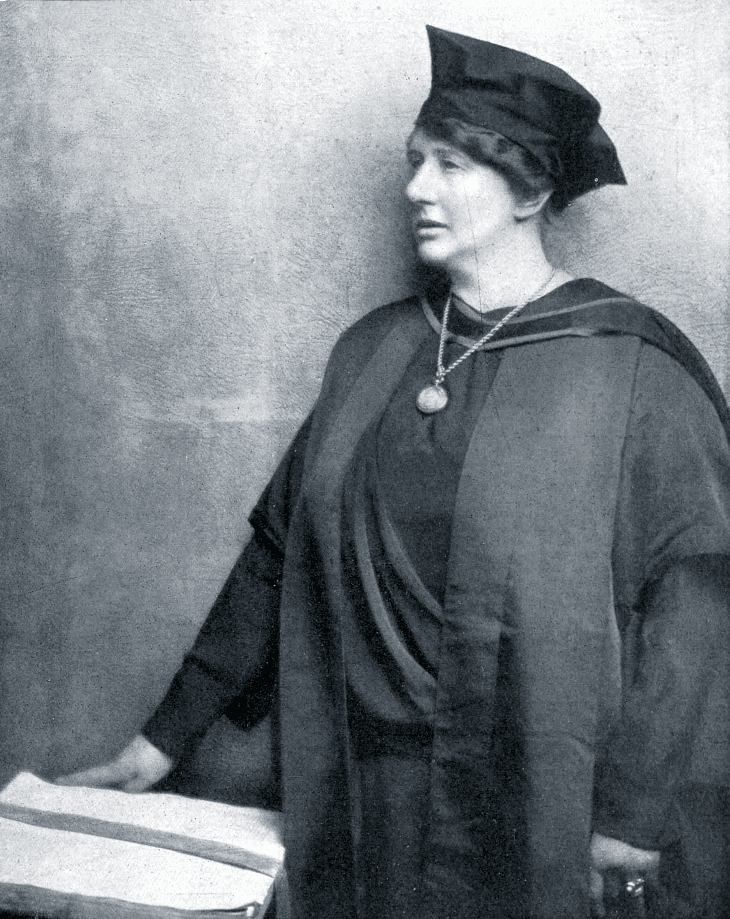
British · Arts
Lilian Mary Baylis
May 9, 1874 – November 25, 1937
Early Life and Background
Lilian Mary Baylis was born on May 9, 1874, in London, England. She was born into a family steeped in the arts; her maternal aunt, Emma Cons, was herself a prominent social reformer and theater manager. Baylis was educated in music from a young age, showcasing her talents as a violinist and pianist. Her early life was marked by the influence of her aunt and her exposure to London's burgeoning theater scene, which laid the foundation for her future career.
Career Beginnings and Development
Baylis began her career as a music teacher but soon gravitated towards the world of theater. In 1898, she joined her aunt at the Royal Victoria Hall (later known as The Old Vic), initially taking on the role of music director. Her management prowess quickly became evident, and she assumed greater responsibilities in the theater, eventually becoming its manager after Cons' death in 1912. Under her leadership, The Old Vic became a beacon of accessible theater for the working class, offering productions of Shakespeare and opera at affordable prices.
Major Works, Discoveries, or Accomplishments
One of Baylis’s most significant contributions was the establishment of a repertory system at The Old Vic, which enabled continuous performances and fostered a new generation of actors and directors. In 1926, Baylis founded the Vic-Wells Ballet, which later evolved into the English National Ballet and subsequently the Royal Ballet, thanks to her collaborations with choreographers like Ninette de Valois. Her commitment to the performing arts was visionary, elevating English theater and opera to new heights.
Awards, Honors, and Recognition
Lilian Baylis was made a Companion of Honour in 1929, recognizing her substantial contributions to the arts in Britain. Her name became synonymous with the revitalization of British theater and opera in the early 20th century.
Personal Life
Despite her demanding career, Baylis maintained close relationships with her family and professional peers. She never married, dedicating her life to the arts and her theater family. Her personal life was very much intertwined with her professional commitments, reflecting her deep passion for her work.
Legacy and Historical Impact
Baylis's impact on the British theatrical landscape cannot be overstated. She championed accessible art, and her initiatives led to the creation of institutions that continue to thrive today. The Old Vic, under her stewardship, became a crucible for talent, including famous actors like Laurence Olivier. Her innovations laid the groundwork for the development of the Royal Ballet and English National Ballet, influencing generations of performers and audiences.
Later Life and Death
In her later years, Baylis continued to manage The Old Vic, despite facing numerous financial challenges. She remained committed to her vision of democratizing the arts until her passing on November 25, 1937, in London. Her legacy is immortalized through blue plaques at her former residence and The Old Vic, celebrating her lasting contributions to the arts.
Dated achievements
2 indexed.
- May091874Arts
Birth of Lilian Mary Baylis
Lilian Mary Baylis was born on May 9, 1874, in London, England.
View details English Heritage - Nov251937Arts
Death of Lilian Mary Baylis
Lilian Mary Baylis passed away on November 25, 1937, in London.
View details