← All women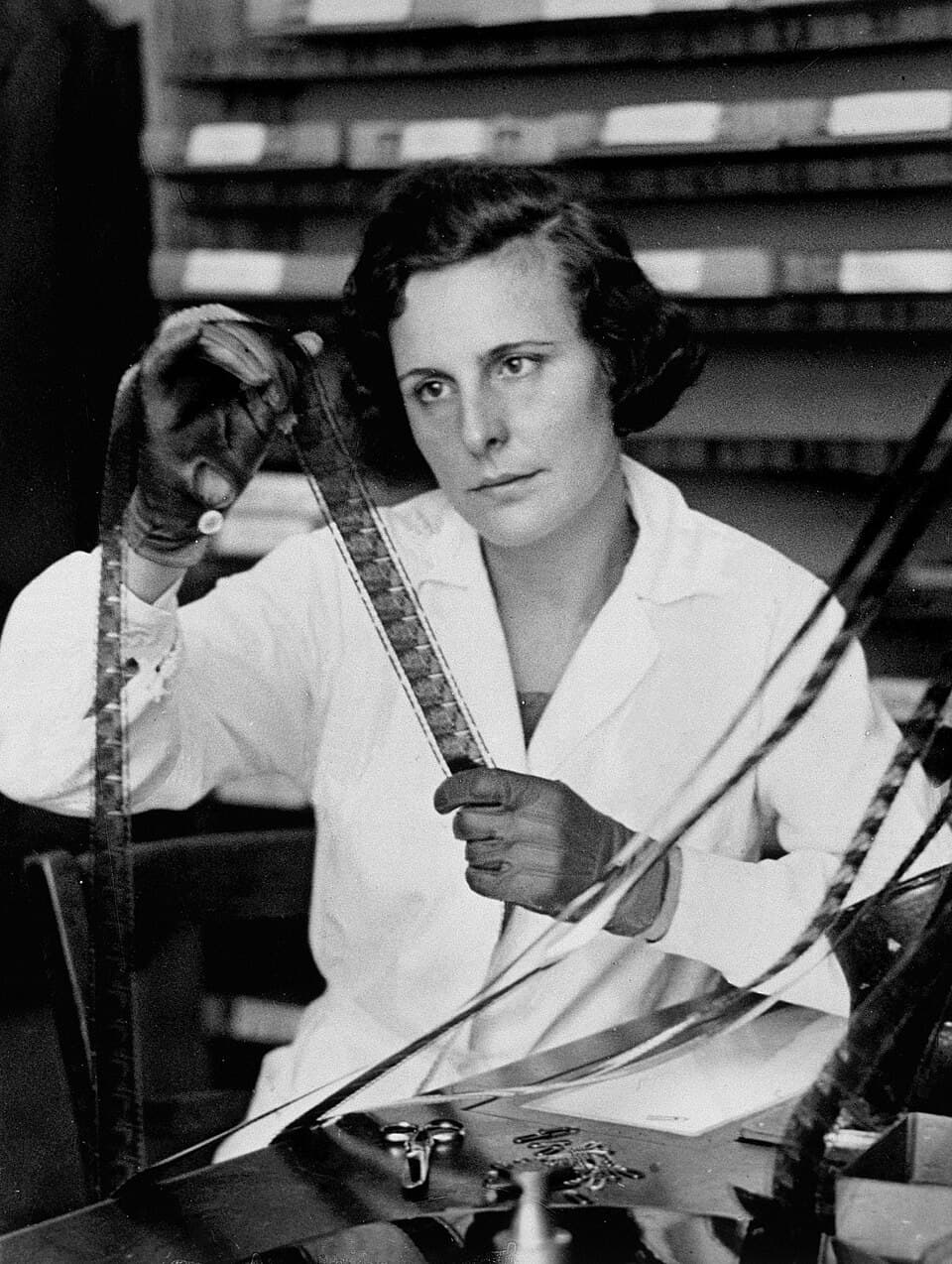
German · Arts
Leni Riefenstahl
August 22, 1902 – September 8, 2003
Early Life and Background
Leni Riefenstahl, born Helene Bertha Amalie Riefenstahl on August 22, 1902, in Berlin, Germany, was the daughter of Alfred Riefenstahl, a successful businessman, and Bertha Scherlach, a seamstress. Her family was modestly middle-class, and from a young age, Leni showed a passion for performing arts, a path initially resisted by her father, who wanted her to pursue a career in business. Despite this, her mother secretly nurtured her artistic inclinations.
Career Beginnings and Development
Riefenstahl's artistic career began as a dancer, performing in Germany and around Europe. Her dancing career ended abruptly when she injured her knee, but this setback turned into an opportunity, redirecting her path towards cinema. She was captivated by the expressive potential of film and transitioning into acting, starred in several mountain films directed by Arnold Fanck.
Major Works and Discoveries
Riefenstahl's most notable works were created during the Nazi era, which remain controversial due to their association with Adolf Hitler and the Nazi regime. In 1934, she directed "Triumph of the Will," a propaganda film capturing the 1934 Nazi Party Congress in Nuremberg. This film is infamous for its striking imagery and use of innovative filmmaking techniques, but it also served as a powerful tool for Nazi propaganda.
In 1938, Riefenstahl released "Olympia," documenting the 1936 Summer Olympics in Berlin. The film was groundbreaking for its pioneering use of tracking shots, slow motion, and other techniques to enhance the visual drama of athletic performance, influencing future sports documentaries.
Awards, Honors, and Recognition
Despite her controversial affiliations, Riefenstahl is acknowledged for her technical and aesthetic contributions to film. She received several awards and distinctions for her filmmaking techniques, although many honors were overshadowed by her Nazi connections.
Personal Life
Riefenstahl was married twice, first briefly to Peter Jacob in 1944, and later to Horst Kettner, whom she remained with until her death. Her personal life was often eclipsed by her contentious professional history.
Legacy and Historical Impact
Riefenstahl's works, while frequently criticized for their propagandist roles, particularly "Triumph of the Will," remain significant in film history for their advanced cinematographic techniques. Her legacy is contentious; she is recognized both for her filmmaking innovations and criticized for her manipulation of art for political purposes.
Today, her work is often studied as part of film history curricula, reflecting decades of dialogue about ethics in art and the power of media in politics.
Later Life and Death
In her later years, Riefenstahl shifted her focus to photography and underwater filming, continuing to explore visual arts until her age advanced. Her final years were lived away from the public eye until her death at the age of 101 on September 8, 2003, in Pöcking, Germany.
Dated achievements
2 indexed.
- Aug221902Arts
Birth of Leni Riefenstahl
Leni Riefenstahl was born on August 22, 1902, in Berlin, Germany.
View details Britannica - Leni Riefenstahl - Sep082003Arts
Death of Leni Riefenstahl
Leni Riefenstahl died on September 8, 2003, at age 101, in Pöcking, Germany.
View details