← All women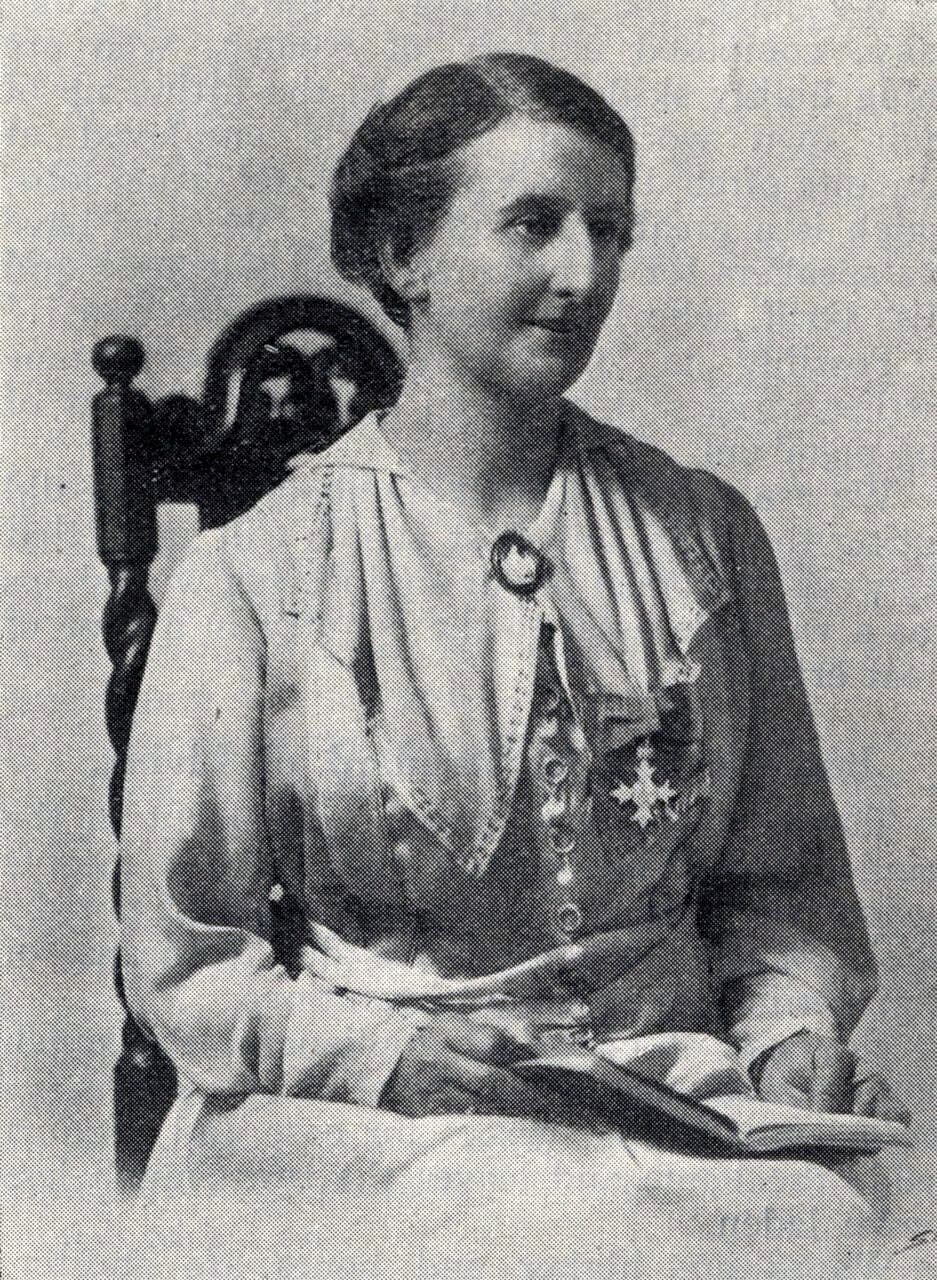
British · Activism · Science · Medicine
Laura Annie Willson
August 15, 1877 – April 17, 1942
Early Life and Background
Laura Annie Willson was born on August 15, 1877, in Halifax, West Yorkshire, England. She was the eldest of seven children in a working-class family. Willson's early life was marked by a keen awareness of social inequalities, which fostered her lifelong commitment to social reform. Due to financial constraints, her formal education was limited, but she demonstrated a strong drive for self-improvement and learning.
Career Beginnings and Development
In 1899, Willson married Fred Willson, a builder. This partnership would prove influential, as it provided her with insights into the construction industry, sparking her interest in innovative building practices. Laura's work in engineering began during World War I, when labor shortages forced companies to hire women. She trained as an engineer and worked at S.D. Lycett & Co., contributing significantly to the war effort by producing boilers and munitions.
Major Works, Discoveries, and Accomplishments
After the war, Willson was instrumental in forming the women’s branch of the National Federation of Building Trades Operatives. She successfully campaigned for improved working conditions and housing standards. Recognizing the acute housing shortages post-war, she co-founded the influential firm, Atkinson & Willson, pioneering pre-fabricated housing to address the lack of affordable accommodations. Her innovative approaches were well-received, demonstrating her forward-thinking in housing policy.
Awards, Honors, and Recognition
In recognition of her efforts, Laura Annie Willson was awarded the Member of the Order of the British Empire (MBE) in 1919. She was celebrated for her work in both engineering and activism, becoming a leading figure in women’s labor rights.
Personal Life
Her marriage to Fred Willson was both a personal and professional partnership. Although the couple had no children, they shared a strong commitment to each other's endeavors, fostering a supportive dynamic that propelled Laura's public career.
Legacy and Historical Impact
Laura's impact extended beyond her immediate projects. As a committed suffragette, she was arrested twice for her activities in the Women's Social and Political Union. Her pioneering work in prefabricated housing set a precedent for modern construction techniques, influencing future generations of engineers and builders. Furthermore, her commitment to social justice has been celebrated as foundational in women's rights movements within the labor sector.
Later Life and Death
Laura Annie Willson continued her advocacy and social reform activities until her health declined. She passed away on April 17, 1942, in Halifax, leaving behind a legacy of innovation and a testament to the power of perseverance and dedication to societal improvement.
Dated achievements
3 indexed.
- Aug151877Activism
Birth of Laura Annie Willson
Laura Annie Willson was born on August 15, 1877, in Halifax, West Yorkshire, England.
View details Women Who Meant Business: Laura Annie Willson (1877-1942) - Jun181919Activism
Awarded MBE for Services During WWI
Awarded the MBE on June 18, 1919, for her contribution to the war effort as an engineer.