← All women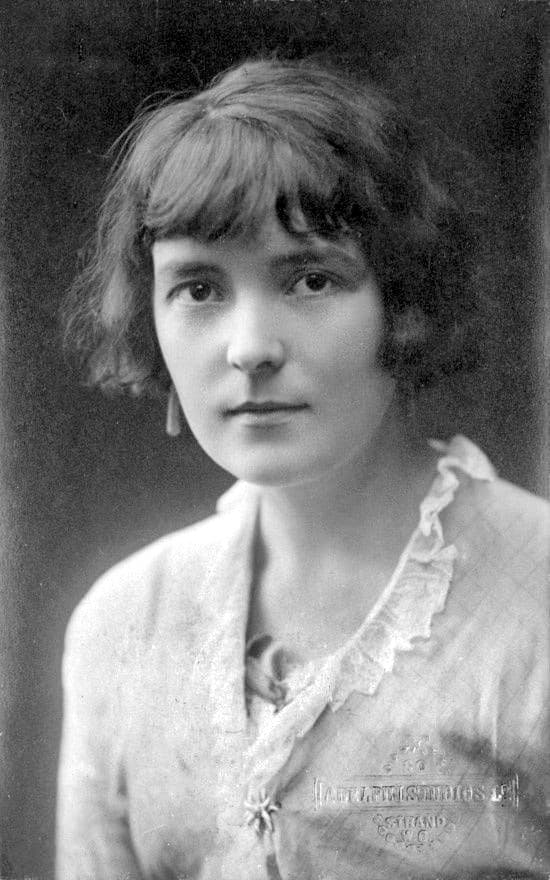
New Zealand · Literature
Katherine Mansfield
October 14, 1888 – January 9, 1923
Early Life and Background
Katherine Mansfield, born Kathleen Mansfield Beauchamp, entered the world on October 14, 1888, in Wellington, New Zealand. She was the third of five children in her family. Her father, Harold Beauchamp, was a successful businessman, while her mother, Annie Burnell, exerted a significant influence on her early life. Mansfield's formative experiences included living in an affluent household where she was first introduced to the literary arts and music. She attended Wellington Girls' Collegiate and later studied at Queen's College in London, where she developed her passion for writing.
Career Beginnings and Development
Mansfield moved permanently to London in 1908, determined to pursue a career as a writer. She began publishing stories under a pseudonym, drawing heavily from her experiences in New Zealand. Her early works were influenced by the modernist movement, and she was known for her experimental approach to narration and perspective. Mansfield's break came with the publication of her short story collection, "In a German Pension" (1911), showcasing her ability to convey complex human emotions.
Major Works and Accomplishments
Katherine Mansfield's significant works include "Bliss" (1918), "The Garden Party" (1922), and "The Doves' Nest" (1923, posthumously). Her writing style was characterized by a keen insight into human psychology coupled with subtle lyrical prose. Her stories were frequently published in prestigious literary magazines such as The Athenaeum and Rhythm, often exploring themes of identity, isolation, and social class. Mansfield's work significantly influenced contemporaries and future generations, including writers like Virginia Woolf.
Personal Life and Relationships
In 1912, Mansfield married George Bowden, though the marriage quickly unraveled. She was later involved with John Middleton Murry, an editor and writer who became her lifelong partner and literary executor. Mansfield's life was marked by personal struggles, including a troubled health history and a tumultuous relationship with her family due to her bohemian lifestyle.
Legacy and Historical Impact
Katherine Mansfield is heralded as a pioneering figure in the development of the modern short story. Her contribution lies in her ability to break from conventional narrative styles, infusing her stories with a blend of realism and symbolism that laid groundwork for future literary innovation. Despite her early death, Mansfield's influence persists, celebrated for her stylistic innovations and insightful depictions of the human condition.
Later Life and Death
Mansfield's health deteriorated due to tuberculosis, a condition that ultimately led her to seek cures in various parts of Europe. She died on January 9, 1923, at the age of 34 in Fontainebleau, France, at the Gurdjieff Institute for the Harmonious Development of Man, a spiritual retreat.
Dated achievements
2 indexed.
- Oct141888Literature
Birth of Katherine Mansfield
Katherine Mansfield was born on October 14, 1888, in Wellington, New Zealand.
View details Katherine Mansfield - New Zealand Edge - Jan091923Literature
Death of Katherine Mansfield
Katherine Mansfield died on January 9, 1923, in Fontainebleau, France.
View details