← All women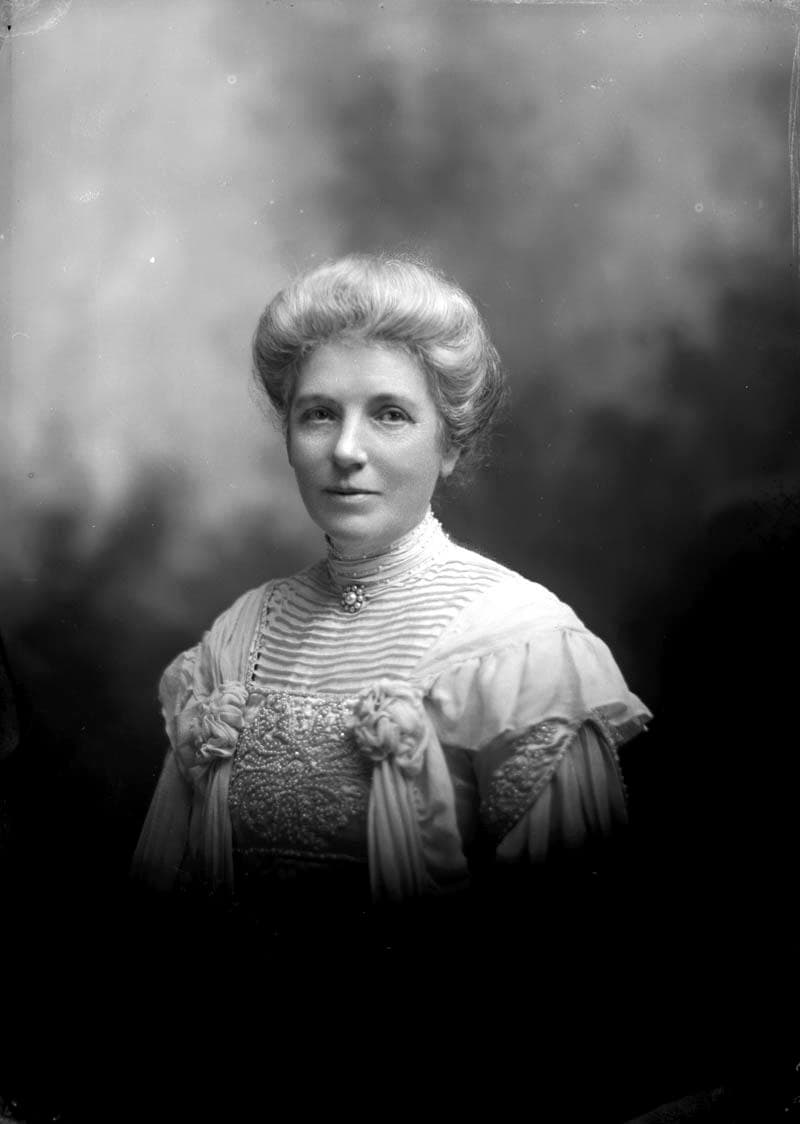
British, New Zealander · Politics · Activism
Kate Sheppard
March 10, 1847 – July 13, 1934
Early Life and Background
Kate Sheppard, born Catherine Wilson Malcolm on March 10, 1847, in Liverpool, England, came from a family that valued education and social reforms. She was the daughter of Jemima Crawford Souter and Andrew Wilson Malcolm. The Malcolm family emigrated to New Zealand in 1869, seeking better opportunities.
Career Beginnings and Development
In New Zealand, Sheppard became involved in various social and church activities. Her writings and speeches, often published in the 'White Ribbon,' the first newspaper in New Zealand to be owned and operated entirely by women, reflect her commitment to social change. She soon emerged as a leading figure in the women’s suffrage movement, advocating for equal political rights for women.
Major Works and Accomplishments
Kate Sheppard's most significant achievement was leading the campaign that resulted in New Zealand becoming the first country in the world to grant women the right to vote in national elections in 1893. This was accomplished through her leadership in the Women's Christian Temperance Union (WCTU) and her role in organizing petitions and public meetings. The mammoth 1893 petition, featuring nearly 32,000 signatures, was a pivotal factor in achieving suffrage.
Awards, Honors, and Recognition
While Sheppard lived in a time when formal awards for such achievements were uncommon, her legacy endures in New Zealand. She is celebrated as a national hero, her profile even appearing on the New Zealand $10 note since 1991. Various memorials and tributes have cemented her status as an icon of equality and progress.
Personal Life
Kate married Walter Sheppard in 1871 and they had one son. The couple's partnership was supportive of her activism, though it did face strains due to her commitments. Her marriage reflected the dual responsibilities many women bore during that period, highlighting the personal sacrifices involved in her work.
Legacy and Historical Impact
Kate Sheppard's work not only transformed New Zealand but also inspired suffrage movements globally. Her speeches and writings emphasized education, moral development, and social justice. She advocated for a wide range of social reforms, including the establishment of legal equality in marriage and employment for women.
Later Life and Death
In her later years, Sheppard continued to work with the National Council of Women of New Zealand, an organization she helped to form. She died on July 13, 1934, in Christchurch, New Zealand. Her relentless pursuit of equality paved the way for future generations and solidified her legacy as a trailblazer in the women’s rights movement.
Dated achievements
2 indexed.
- Mar101847Activism
Birth of Kate Sheppard
The birth of Kate Sheppard, a key figure in the fight for women's suffrage in New Zealand.
View details Wikipedia - Kate Sheppard - Sep191893Activism
New Zealand Women Gain the Vote
New Zealand women gain the right to vote on September 19, 1893, a pioneering achievement.
View details